
Plantation Accident Investigations: Evidence That Makes a Difference
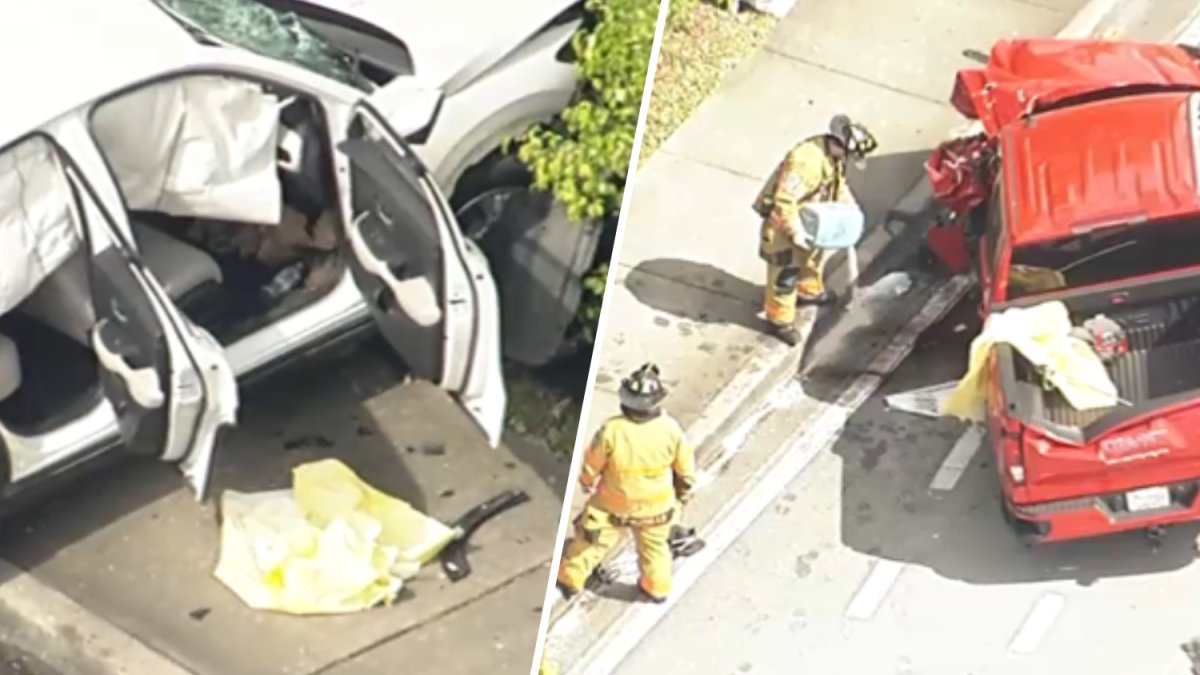
When accidents occur in Plantation, Florida, victims often face physical pain, financial stress, and uncertainty about their legal options. Whether the incident involves a car, truck, or motorcycle collision, slip and fall, workplace accident, or pedestrian injury, the outcome of a personal injury claim often hinges on the quality and preservation of evidence. In Florida, timely and thorough investigation can be the difference between a successful claim and one that is undervalued or denied.
Investigating accidents is not just about assigning blame—it’s about documenting facts, proving liability, and establishing the extent of your injuries and losses. Insurance adjusters, defense attorneys, and courts rely on this evidence to evaluate claims, calculate compensation, and determine fault.
This article explains the key types of evidence that make a difference in Plantation accident investigations, how they are collected, common challenges victims face, and why working with an experienced personal injury attorney is essential.
Why Evidence Matters in Plantation Accident Claims
Evidence is the foundation of every personal injury case. In Plantation, where traffic congestion, commercial activity, and high pedestrian traffic contribute to accidents, strong evidence serves multiple purposes:
- Proving Liability: Demonstrates who was at fault or negligent.
- Establishing Causation: Shows that the accident directly caused injuries.
- Documenting Damages: Supports claims for medical bills, lost wages, property damage, and pain and suffering.
- Strengthening Negotiations: Provides leverage when dealing with insurance adjusters who may try to minimize your claim.
- Supporting Litigation: Ensures the case is trial-ready if negotiations fail.
Without proper evidence, victims may struggle to prove their case, leading to delayed settlements, reduced compensation, or outright denial of claims.
Key Types of Evidence in Plantation Accident Investigations
1. Police and Official Reports
- Police Reports: Often the first official documentation of an accident, including details about vehicles, positions, witnesses, and traffic citations.
- Traffic Citations: Indicate potential negligence such as speeding, running a red light, or reckless driving.
- Incident Reports: In workplace or slip-and-fall cases, company incident reports are critical.
Police reports provide an objective account that can support your claim but should not be relied on exclusively. They may contain errors or incomplete information.
2. Photographs and Video Evidence
- Accident Scene Photos: Show vehicle positions, skid marks, debris, road conditions, and traffic signals.
- Property Damage Photos: Demonstrate the force of impact and the extent of damage to vehicles or structures.
- Surveillance Video: Nearby businesses or traffic cameras can capture the accident in real time.
- Dashcam Footage: Increasingly common in vehicles and can provide a clear record of events.
Visual evidence is particularly persuasive to insurers and juries because it provides a clear, indisputable account of the accident.
3. Witness Statements
- Eyewitnesses can corroborate the victim’s account of events.
- Gather names, contact information, and written or recorded statements when possible.
- Witnesses may include drivers, pedestrians, coworkers, or bystanders at commercial properties.
Strong witness testimony can be especially important in complex or multi-vehicle accidents.
4. Medical Records and Expert Opinions
- Medical Documentation: Hospital records, imaging results, doctor’s notes, and therapy reports establish injury severity and causation.
- Specialist Evaluations: Orthopedic, neurological, or rehabilitation specialists can provide detailed analyses.
- Long-Term Prognosis Reports: Essential for claims involving permanent injuries or ongoing medical care.
Medical evidence not only supports damages but also strengthens your credibility with insurance adjusters.
5. Vehicle and Property Evidence
- Vehicle Damage Assessment: Helps determine point of impact, collision severity, and speed estimates.
- Tire Marks and Road Conditions: Skid marks, debris, and potholes can indicate negligence or hazardous conditions.
- Safety Device Functionality: Seatbelts, airbags, or guardrails may be examined to determine whether safety measures worked as intended.
In Plantation, roads like Pine Island Road, Broward Boulevard, and University Drive see frequent accidents where vehicle evidence can clarify collision dynamics.
6. Accident Reconstruction
- Expert Analysis: Accident reconstruction experts use physics, engineering, and scene measurements to recreate how the crash occurred.
- EDR / Black Box Data: Modern vehicles often store speed, braking, and steering data that can be analyzed.
- 3D Modeling and Simulation: Provides a visual and technical explanation of collision forces.
Reconstruction is particularly helpful in disputes over liability, speed, or right-of-way violations.
7. Employment and Financial Records
- Pay Stubs and Tax Returns: Document lost wages due to accident-related absences.
- Self-Employment Records: Contracts, invoices, and client records support claims for lost income.
- Future Earning Capacity Analysis: Expert testimony may quantify long-term financial impact for severe injuries.
Economic evidence ensures victims are compensated not just for immediate costs, but also for future financial losses.
Challenges in Collecting Evidence
1. Evidence Loss or Degradation
- Skid marks fade, debris is cleared, and witness memories fade quickly.
- Video surveillance may be overwritten after days or weeks.
2. Insurance Company Scrutiny
- Adjusters may challenge the validity or relevance of evidence.
- They may argue that injuries were pre-existing or unrelated.
3. Disputed Liability
- Multiple parties may claim the other is at fault.
- Comparative negligence in Florida reduces compensation proportionally if the victim shares fault.
4. Complex Accident Scenes
- Multi-vehicle or intersection crashes can make it difficult to determine impact sequences.
- Accident reconstruction and expert analysis are often necessary.
How a Personal Injury Attorney Helps
A Plantation personal injury attorney ensures evidence is properly collected, preserved, and presented:
- Early Scene Investigation: Attorneys coordinate timely documentation before critical evidence disappears.
- Medical Record Compilation: Legal teams ensure medical reports link injuries directly to the accident.
- Expert Engagement: Accident reconstruction, vocational, and medical experts provide objective analysis.
- Insurance Negotiation: Attorneys present evidence effectively to adjusters, preventing undervalued settlements.
- Litigation Preparedness: All collected evidence is organized for trial if necessary, increasing credibility and potential compensation.
Early involvement of an attorney ensures victims can focus on recovery while their legal team handles evidence preservation and claim strategy.
Steps for Plantation Accident Victims
- Seek Immediate Medical Treatment: Ensures injuries are documented and strengthens causation claims.
- Document the Scene: Take photographs, record conditions, and gather witness information while fresh.
- Preserve Vehicle and Property Evidence: Avoid repairing vehicles before assessment and save debris if possible.
- Keep Financial Records: Track lost wages, transportation costs, and medical expenses.
- Consult a Personal Injury Attorney Early: Protects your rights, preserves evidence, and maximizes compensation.
Conclusion
In Plantation, Florida, thorough accident investigations are essential for successful personal injury claims. Evidence—from police reports and witness statements to medical records, vehicle analysis, and accident reconstruction—forms the backbone of every claim.
For victims in Hollywood, Fort Lauderdale, Davie, Sunrise, Coral Springs, and other parts of Broward County, understanding the types of evidence that matter and acting quickly to preserve them can significantly affect settlement amounts and legal outcomes.
Working with an experienced Plantation personal injury attorney ensures that evidence is collected strategically, presented effectively, and leveraged to maximize compensation. In complex accident scenarios, timely investigation and proper documentation are not just helpful—they are crucial for protecting your rights and securing the full recovery you deserve.