
How Florida Negligence Laws Impact Fort Lauderdale Accident Claims
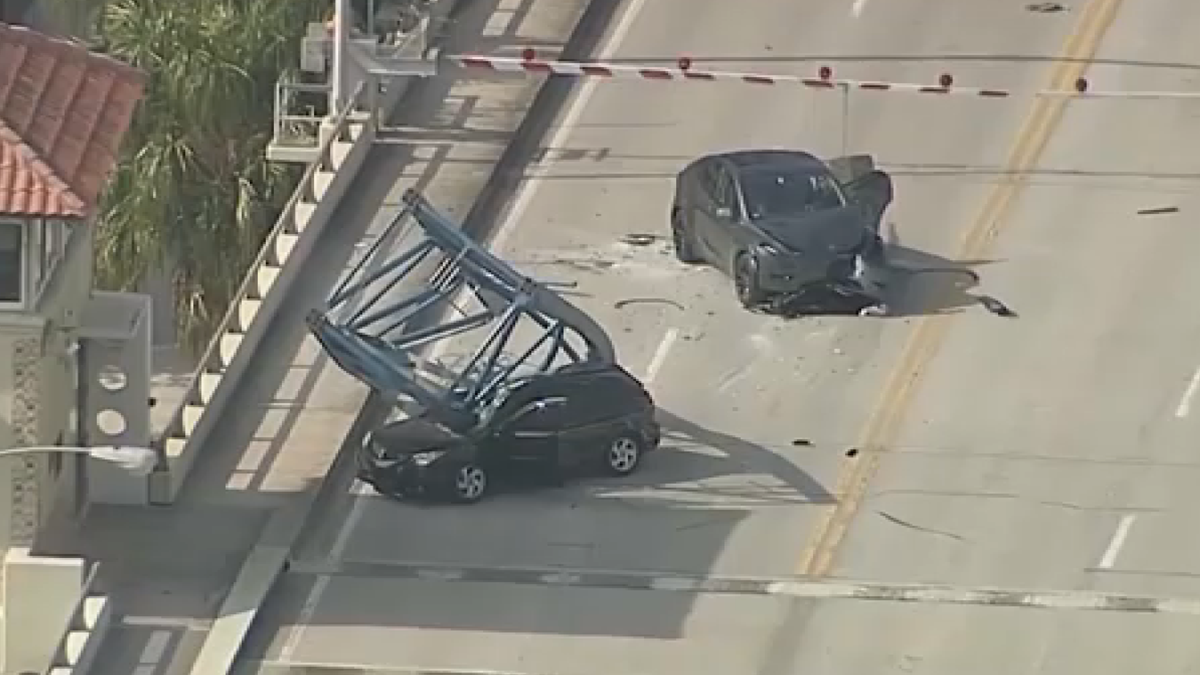
In Fort Lauderdale, Broward County, and across South Florida, understanding Florida negligence laws is crucial for anyone pursuing a personal injury claim after an accident. Whether the incident involves a car, truck, motorcycle, or rideshare collision, slip and fall, workplace injury, or pedestrian accident, the principles of negligence determine who is liable and how damages are calculated.
Negligence forms the backbone of most personal injury cases in Florida. It defines whether a party acted unreasonably and caused harm, and it directly affects your ability to recover compensation for medical bills, lost wages, pain and suffering, and other damages. For accident victims, understanding these laws—and how they apply locally in Fort Lauderdale—can be the difference between a successful claim and one that is denied or undervalued.
This article explores how Florida negligence laws work, their impact on accident claims, common challenges victims face, and why timely legal guidance is essential for protecting your rights and securing fair compensation.
What Is Negligence Under Florida Law?
Negligence occurs when someone fails to exercise reasonable care, resulting in harm to another person. In Florida, a plaintiff (injured party) must generally prove four elements of negligence:
- Duty of Care: The responsible party owed a legal duty to act with reasonable care. For example, drivers must obey traffic laws, property owners must maintain safe premises, and employers must provide a safe work environment.
- Breach of Duty: The responsible party failed to meet that duty. Examples include speeding, running a red light, or failing to repair a hazardous condition on property.
- Causation: The breach directly caused the accident or injury. Florida law requires both actual cause (cause-in-fact) and proximate cause (legal cause).
- Damages: The victim suffered measurable harm, such as medical expenses, lost wages, or pain and suffering.
If all four elements are established, the negligent party can be held financially responsible for the victim’s losses.
Comparative Negligence in Florida
Florida follows a pure comparative negligence system (Florida Statute § 768.81). This means:
- A victim’s recovery can be reduced by their own percentage of fault.
- For example, if a Fort Lauderdale driver is found 20% at fault for a collision, their total damages are reduced by 20%.
- Even if the victim is mostly at fault, they can still recover a portion of damages, unlike in some states where any fault bars recovery.
This principle directly impacts settlement negotiations, jury awards, and insurance evaluations. Proper documentation and legal guidance are critical to minimize your attributed fault and maximize compensation.
Common Scenarios Involving Negligence in Fort Lauderdale
1. Car and Motorcycle Accidents
- Reckless driving, distracted driving, or speeding can constitute negligence.
- Determining liability involves police reports, witness statements, vehicle damage, skid marks, and sometimes accident reconstruction experts.
- Multi-vehicle collisions often involve shared fault, making comparative negligence a key consideration.
2. Slip and Fall Accidents
- Property owners have a duty to maintain safe conditions.
- Negligence may include wet floors, uneven pavement, broken handrails, or inadequate lighting.
- Evidence such as photographs, incident reports, and witness statements helps establish liability.
3. Workplace Injuries
- Employers must provide a safe environment and comply with OSHA and Florida workplace regulations.
- Negligence claims may arise from unsafe equipment, lack of safety training, or failure to address known hazards.
- Workers’ compensation may cover medical bills, but personal injury claims against third parties can supplement recovery.
4. Pedestrian and Bicycle Accidents
- Drivers must exercise reasonable care to avoid harming pedestrians or cyclists.
- Negligence may involve failure to yield, speeding, or distracted driving.
- Comparative negligence may be raised if a pedestrian crossed outside of crosswalks or failed to follow traffic signals.
How Negligence Impacts Insurance and Settlement
Insurance adjusters evaluate claims based on the likelihood of proving negligence. Key considerations include:
- Evidence Strength: Police reports, photographs, medical records, and witness statements influence how adjusters view liability.
- Degree of Fault: Adjusters assess comparative negligence and may reduce settlement offers based on the victim’s perceived responsibility.
- Policy Limits: The at-fault party’s insurance coverage sets an upper limit on potential settlement, but negligence analysis can affect how much is recoverable.
- Documentation of Damages: Clear documentation of medical bills, lost wages, and non-economic damages strengthens the case when negligence is disputed.
Without proper documentation, insurance companies may attempt to minimize payouts or deny claims altogether.
Legal Challenges Victims May Face
1. Disputed Fault
- In Fort Lauderdale, traffic accidents often involve multiple vehicles or witnesses with conflicting accounts.
- Insurers may argue the victim was partially or wholly at fault to reduce liability.
2. Pre-Existing Conditions
- Defendants may claim injuries are due to pre-existing conditions rather than the accident.
- Medical records and expert testimony are essential to demonstrate that the injury was caused by the incident.
3. Delayed Reporting or Treatment
- Delaying medical treatment can weaken claims, as insurers may argue the injury was not serious or not caused by the accident.
4. Comparative Negligence Disputes
- Accidents with shared fault require careful evidence gathering to ensure fair allocation of responsibility.
How Attorneys Use Negligence Law to Strengthen Claims
A skilled Fort Lauderdale personal injury attorney ensures that negligence is properly proven and leveraged:
- Evidence Collection: Attorneys gather police reports, photographs, video footage, and witness statements to substantiate fault.
- Expert Testimony: Medical, accident reconstruction, and vocational experts provide objective analysis connecting the accident to injuries and losses.
- Comparative Negligence Mitigation: Lawyers work to minimize the victim’s attributed fault through clear documentation and legal strategy.
- Negotiation Strategy: Attorneys present compelling evidence to insurance adjusters to increase settlement offers.
- Litigation Preparation: If negotiations fail, attorneys use the evidence to prove negligence and damages in court, complying with Florida procedural rules.
Steps for Fort Lauderdale Accident Victims
- Seek Immediate Medical Treatment: Establishes a link between the accident and injuries.
- Document Everything: Keep records of medical treatment, lost wages, communications, and accident evidence.
- Preserve the Scene: Photograph vehicle damage, road conditions, or property hazards when safe.
- Avoid Admitting Fault: Statements to insurers or on social media may be used against you.
- Contact a Personal Injury Attorney Early: Early legal advice ensures preservation of evidence, proper documentation, and strategic negotiation.
Conclusion
Florida negligence laws play a central role in determining liability and compensation in Fort Lauderdale accident claims. Understanding the principles of duty, breach, causation, and damages—and how comparative negligence affects your recovery—is essential for victims seeking fair compensation.
In cases involving cars, trucks, motorcycles, pedestrians, slips and falls, or workplace incidents, establishing negligence requires careful evidence collection, expert analysis, and strategic presentation. Insurance adjusters, defense attorneys, and courts all rely on the same legal framework to evaluate claims, making professional guidance critical.
For victims in Hollywood, Plantation, Davie, Sunrise, Coral Springs, and throughout Broward County, early consultation with a Fort Lauderdale personal injury attorney ensures that negligence is properly proven, evidence is preserved, and compensation for medical expenses, lost wages, pain and suffering, and long-term impacts is maximized.
By understanding and leveraging Florida negligence laws, accident victims can navigate the claims process confidently, protect their rights, and secure the full recovery they deserve under the law.