
Why Witness Statements Are Crucial in Plantation Injury Cases
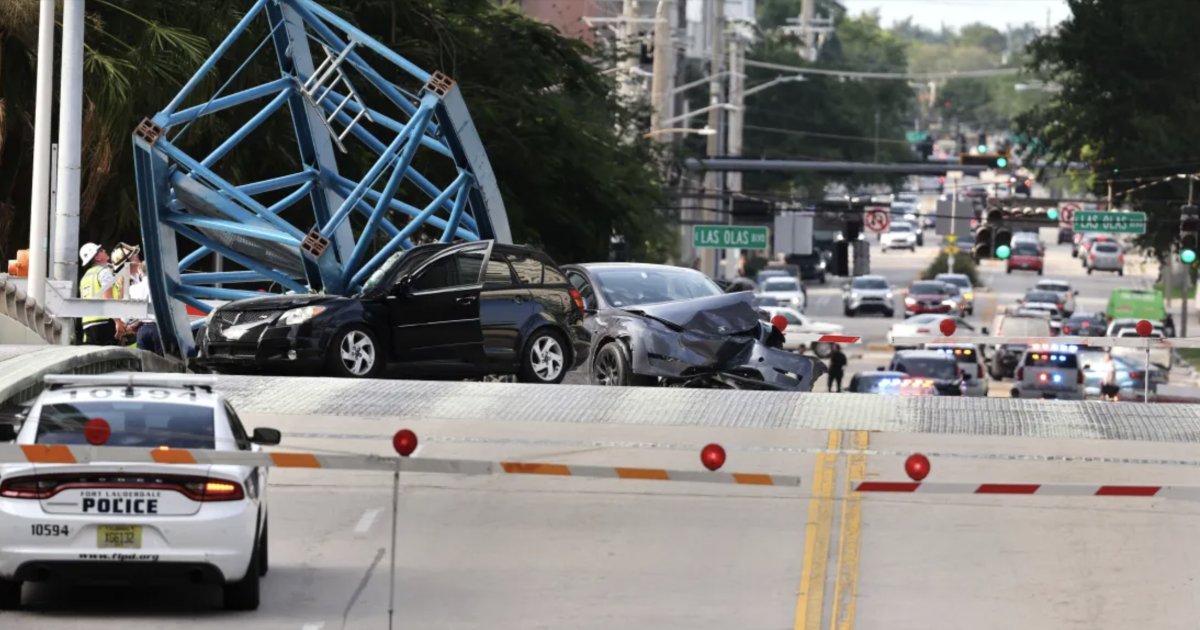
When accidents happen in Plantation, Florida, victims are often focused on medical care, property damage, and dealing with insurance companies. While these aspects are important, one of the most powerful forms of evidence in a personal injury case is often overlooked: witness statements. Whether the accident involves a car, truck, motorcycle, or rideshare collision, a slip and fall, or a workplace incident, statements from witnesses can be pivotal in establishing fault, confirming the sequence of events, and supporting your claim for compensation.
Insurance companies and defense attorneys frequently scrutinize witness accounts to challenge or minimize claims. Conversely, accurate and credible witness statements can strengthen your case, improve negotiations with insurers, and provide a clear picture for a jury if litigation becomes necessary. Understanding why witnesses matter, how their statements are used, and how to secure reliable testimony is essential for Plantation accident victims seeking justice.
The Role of Witness Statements in Personal Injury Cases
Witness statements serve several key purposes in personal injury claims:
- Establishing Liability: Witnesses can confirm who was at fault or negligent, helping to support your claim under Florida’s negligence laws.
- Corroborating Victim Accounts: Victims’ recollections may be challenged by insurance adjusters or opposing parties. Witness statements reinforce the accuracy of your version of events.
- Providing Objective Evidence: Witnesses who are neutral or not directly involved in the accident can provide unbiased observations of what occurred.
- Clarifying Complex Accidents: Multi-vehicle collisions or accidents with conflicting reports often require witness testimony to determine the sequence of events.
- Supporting Settlement Negotiations and Litigation: Strong, credible witness statements can sway insurance adjusters or juries toward a fair resolution.
Without witness testimony, accident claims may rely solely on police reports, photographs, or victim accounts, which can leave gaps or invite disputes.
Types of Witnesses in Plantation Accident Cases
1. Eyewitnesses
- Bystanders: People who saw the accident occur, such as pedestrians, other drivers, or shoppers in commercial areas.
- Passengers: Individuals in vehicles involved in the accident who observed the events leading up to the collision.
- Property Staff: Security personnel or employees at businesses near the accident scene.
Eyewitnesses provide real-time observations that are difficult to dispute, especially when their statements are consistent and detailed.
2. Expert Witnesses
- Accident Reconstruction Specialists: Analyze the physics and dynamics of a crash, providing expert opinions on cause and liability.
- Medical Experts: Explain the relationship between the accident and injuries, particularly for complex trauma or long-term effects.
- Vocational Experts: Demonstrate how injuries affect work capacity and lost wages.
While not traditional eyewitnesses, expert testimony functions as a critical form of evidence that supports or validates statements about the accident’s cause and impact.
3. Character Witnesses
- Co-Workers or Supervisors: In workplace accidents, they can testify about safety protocols, prior hazards, or how the incident occurred.
- Family or Friends: May provide insight into lifestyle changes, daily limitations, and the personal impact of injuries.
Character witnesses help establish the non-economic damages aspect of a personal injury claim, including pain, suffering, and diminished quality of life.
Why Witness Statements Matter for Insurance Claims
Insurance adjusters evaluate claims based on evidence of liability, causation, and damages. Witness statements play a critical role in this evaluation:
- Confirming Fault: Neutral witnesses can provide testimony that supports your account of the accident, making it harder for insurers to deny liability.
- Counteracting Insurance Tactics: Adjusters may attempt to minimize claims by questioning injury severity or suggesting alternative causes. Witness statements help counter these arguments.
- Influencing Settlement Offers: Strong eyewitness accounts can prompt insurance companies to offer higher settlements, reflecting the credibility of your claim.
- Clarifying Comparative Negligence: Florida’s comparative negligence laws reduce compensation if the victim is partially at fault. Witness statements can mitigate misattributed fault by showing the other party’s actions.
Key Elements of an Effective Witness Statement
To be useful in a Plantation personal injury claim, a witness statement should include:
- Personal Information: Name, contact details, and relationship to the accident.
- Accident Description: Clear, detailed account of what the witness saw, including actions of all parties.
- Time and Location: Exact date, time, and place of the accident.
- Environmental Conditions: Weather, traffic conditions, lighting, and road or property conditions.
- Sequence of Events: Chronological details of how the accident occurred.
- Injuries or Damage Observed: Visible injuries, vehicle damage, or property destruction.
- Additional Notes: Anything unusual or relevant, such as reckless driving, distracted behavior, or safety hazards.
Statements should be factual, objective, and free of speculation. Witnesses should avoid opinions or guesses about who is liable unless they have specific knowledge or expertise.
Challenges in Using Witness Statements
1. Memory Decay
- Witnesses may forget details over time.
- Early documentation is essential to preserve accurate recollections.
2. Inconsistent Accounts
- Conflicting statements can complicate liability determinations.
- Attorneys often reconcile discrepancies with supporting evidence like photographs or video footage.
3. Reluctance to Participate
- Some witnesses may fear involvement or legal proceedings.
- Attorneys can facilitate communication while respecting witnesses’ concerns.
4. Influence by Insurance or Defense Parties
- Witnesses may be approached by insurance adjusters or defense lawyers, potentially altering their statements.
- Legal guidance ensures statements remain accurate and unbiased.
How Plantation Attorneys Leverage Witness Statements
A skilled Plantation personal injury attorney maximizes the value of witness testimony by:
- Early Identification: Attorneys quickly identify potential eyewitnesses at the accident scene or nearby locations.
- Professional Interviewing: Witnesses are interviewed in a way that captures detailed, factual accounts while avoiding leading questions.
- Documentation and Preservation: Written statements, recorded interviews, or affidavits are prepared to ensure admissibility in settlement negotiations or court.
- Expert Collaboration: Witness observations are often paired with expert analysis, such as accident reconstruction or medical testimony, to strengthen causation arguments.
- Negotiation Support: Witness statements provide leverage during insurance discussions, highlighting credibility and liability.
- Litigation Readiness: Statements are formatted and verified to be admissible in court, supporting jury comprehension and credibility.
Practical Tips for Accident Victims in Plantation
- Collect Witness Information at the Scene: Names, phone numbers, and addresses should be recorded immediately when safe to do so.
- Encourage Detailed Accounts: Witnesses should provide specific, factual details about what they observed.
- Avoid Social Media Discussions: Public posts or casual statements can contradict formal testimony.
- Consult an Attorney Early: Legal guidance ensures witnesses are interviewed correctly, statements are preserved, and evidence is not inadvertently lost.
- Follow Up with Witnesses: Attorneys often maintain contact to ensure statements remain accurate and accessible throughout the claim process.
Conclusion
In Plantation personal injury cases, witness statements are often decisive evidence. They establish fault, corroborate victim accounts, clarify complex accident scenarios, and provide credibility with insurance adjusters and courts. Without strong witness testimony, accident victims may face challenges in proving negligence, causation, or the extent of their damages.
For victims in Fort Lauderdale, Hollywood, Davie, Sunrise, Coral Springs, and surrounding Broward County communities, early legal guidance is essential. A Plantation personal injury attorney can identify witnesses, preserve statements, and integrate testimony into a comprehensive case strategy.
By leveraging credible witness statements along with medical records, accident reconstruction, and other supporting evidence, accident victims can maximize compensation for medical expenses, lost wages, pain and suffering, and long-term impacts. Timely collection and strategic use of witness testimony are not just beneficial—they are often critical for a successful personal injury claim in Plantation, Florida.