
Fort Lauderdale Slip Hazards: What Counts as Negligent Maintenance
Slip and fall accidents are among the most common causes of injuries in Fort Lauderdale and throughout Broward County. Whether they occur in grocery stores, restaurants, hotels, shopping centers, apartment complexes, or office buildings, these incidents can lead to serious injuries that disrupt victims’ lives.
Many people assume that slip and fall accidents are simply unfortunate events. However, under Florida law, property owners and businesses have a legal duty to maintain safe conditions for visitors. When they fail to properly maintain their property and someone is injured as a result, they may be held liable for negligent maintenance.
Understanding what qualifies as negligent maintenance—and how it applies to slip hazards in Fort Lauderdale—can help injured individuals determine whether they may have a valid personal injury claim.
Common Locations for Slip Hazards in Fort Lauderdale
Slip hazards can occur almost anywhere, but they are especially common in areas with high foot traffic.
Some of the most frequent locations for slip and fall accidents include:
-
Grocery stores and supermarkets
-
Restaurants and bars
-
Hotels and resorts
-
Shopping malls and retail stores
-
Apartment complexes and condominiums
-
Parking garages and sidewalks
-
Office buildings
-
Public buildings and government facilities
Busy areas such as Las Olas Boulevard, Fort Lauderdale Beach, and commercial districts across Broward County see heavy pedestrian activity. When property owners fail to maintain safe conditions in these locations, accidents can occur.
What Is Negligent Maintenance?
Negligent maintenance occurs when a property owner or business fails to properly inspect, repair, or address dangerous conditions on their property.
Property owners have a legal responsibility to keep their premises reasonably safe for visitors. This includes identifying hazards and fixing them within a reasonable amount of time.
Negligent maintenance may involve:
-
Ignoring dangerous conditions
-
Failing to repair known hazards
-
Failing to clean spills or debris
-
Providing inadequate warnings of dangerous conditions
When these failures cause someone to slip and fall, the property owner may be held responsible for resulting injuries.
Common Slip Hazards That May Indicate Negligent Maintenance
Several types of conditions commonly lead to slip and fall accidents.
Wet or Slippery Floors
One of the most common slip hazards involves wet floors caused by spills, leaks, or tracked-in rainwater.
For example:
-
Spilled drinks in restaurants
-
Cleaning solutions left on floors
-
Melted ice near beverage displays
-
Rainwater near building entrances
If staff fail to clean these spills or place warning signs within a reasonable time, the property owner may be liable.
Uneven Flooring or Damaged Surfaces
Damaged flooring can create dangerous tripping or slipping hazards.
Examples include:
-
Broken tiles
-
Loose floorboards
-
Torn carpeting
-
Uneven pavement
Property owners are expected to repair these hazards promptly.
Poor Drainage or Water Accumulation
Outdoor areas such as sidewalks, parking lots, and pool decks may develop slippery conditions when water accumulates due to poor drainage.
Standing water increases the risk of slips, especially during Fort Lauderdale’s frequent rainstorms.
Lack of Warning Signs
When hazardous conditions exist temporarily, property owners are required to warn visitors.
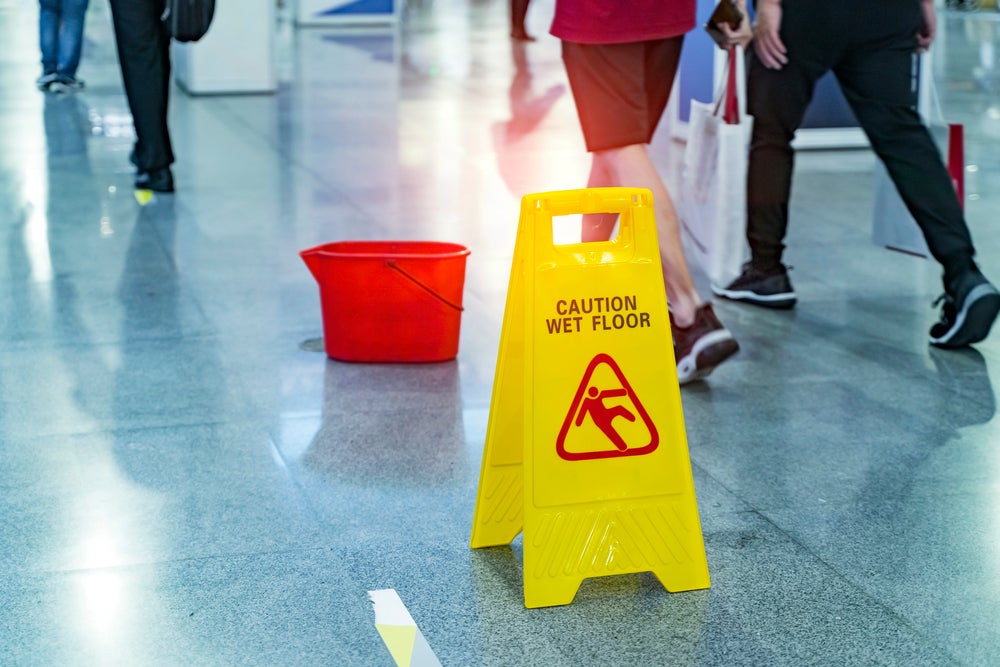
For example, during floor cleaning, businesses should place visible “wet floor” warning signs.
Failure to provide proper warnings may be considered negligent.
Inadequate Lighting
Poor lighting can make it difficult for visitors to see hazards such as spills, uneven surfaces, or obstacles.
Dim lighting in parking garages, stairwells, or walkways can increase the risk of slip and fall accidents.
Cluttered Walkways
Boxes, cords, merchandise, or other obstacles left in walkways can create slip and trip hazards.
Businesses must keep walkways clear to ensure safe access for customers and visitors.
Injuries Commonly Caused by Slip and Fall Accidents
Slip and fall accidents can lead to serious injuries, particularly for older adults.
Common injuries include:
-
Broken wrists or arms
-
Hip fractures
-
Traumatic brain injuries
-
Spinal cord injuries
-
Neck and back injuries
-
Severe bruising or soft tissue damage
Hospitals and medical centers throughout Broward County—including facilities in Fort Lauderdale, Plantation, Sunrise, and Coral Springs—frequently treat victims injured in slip and fall accidents.
Some injuries may require surgery, physical therapy, and extended recovery periods.
Florida Premises Liability Law
Slip and fall cases fall under premises liability law, which governs property owner responsibilities.
Under Florida law, property owners must maintain reasonably safe conditions for visitors and address known hazards.
The relevant statute for slip and fall cases involving businesses is Florida Statute 768.0755.
This law requires injured victims to prove that the business had actual or constructive knowledge of the dangerous condition.
The statute can be reviewed through the Florida Legislature website:
https://www.leg.state.fl.us/statutes/
What Is “Actual Knowledge”?
Actual knowledge means the property owner or employees were aware of the hazardous condition.
Examples include:
-
An employee saw a spill but failed to clean it
-
Management received complaints about a broken floor tile
-
Staff created the hazard during cleaning
If the business knew about the hazard and failed to address it, liability may apply.
What Is “Constructive Knowledge”?
Constructive knowledge means the property owner should have known about the hazard through reasonable inspections.
For example:
-
A spill remained on the floor long enough that staff should have noticed it
-
A damaged walkway existed for an extended period
-
Regular inspections would have revealed the hazard
Constructive knowledge often plays a critical role in slip and fall claims.
Evidence Used to Prove Negligent Maintenance
Proving negligent maintenance requires gathering evidence that demonstrates the property owner failed to maintain safe conditions.
Important evidence may include:
-
Surveillance camera footage
-
Photographs of the hazard
-
Incident reports
-
Witness statements
-
Maintenance records
-
Cleaning schedules
Security camera footage from businesses often provides valuable evidence showing how long a hazard existed before the accident occurred.
Florida’s Comparative Negligence Rule
Florida follows a comparative negligence system, meaning more than one party may share responsibility for an accident.
For example, property owners may argue that the injured person:
-
Was not paying attention
-
Was wearing unsafe footwear
-
Ignored warning signs
If the injured person is partially responsible, compensation may be reduced based on their percentage of fault.
Insurance companies frequently use these arguments to minimize payouts.
Steps to Take After a Slip and Fall Accident
If you experience a slip and fall accident in Fort Lauderdale, taking the right steps immediately afterward can help protect your legal rights.
Important actions include:
-
Seek medical attention as soon as possible
-
Report the accident to the property owner or manager
-
Take photographs of the hazardous condition
-
Collect contact information from witnesses
-
Request a copy of the incident report
-
Avoid discussing fault
-
Contact a personal injury lawyer
These steps can help preserve evidence needed to support your claim.
Compensation Available in Slip Hazard Claims
Victims injured due to negligent maintenance may be entitled to compensation for several types of damages.
These may include:
-
Medical expenses
-
Hospital treatment and surgery
-
Physical therapy and rehabilitation
-
Lost wages
-
Reduced earning capacity
-
Pain and suffering
-
Emotional distress
Serious injuries may also require compensation for long-term medical care.
Each case depends on the specific circumstances surrounding the accident.
Why Insurance Companies Often Fight Slip and Fall Claims
Insurance companies frequently challenge slip and fall claims because proving negligent maintenance can be difficult.
Common defenses include:
-
Claiming the hazard appeared moments before the accident
-
Arguing that the victim should have noticed the danger
-
Disputing the severity of injuries
-
Offering quick settlement offers that undervalue claims
Without strong evidence, victims may struggle to prove that the property owner was negligent.
How a Fort Lauderdale Personal Injury Lawyer Can Help
Slip and fall cases often require careful investigation and legal analysis.
A Fort Lauderdale personal injury lawyer can assist by:
-
Investigating the accident scene
-
Obtaining surveillance camera footage
-
Interviewing witnesses
-
Reviewing maintenance records
-
Negotiating with insurance companies
-
Calculating the full value of damages
-
Filing a lawsuit if necessary
Legal representation can significantly improve the chances of recovering fair compensation.
Protecting Your Rights After a Slip Hazard Accident in Fort Lauderdale
Slip hazards caused by negligent maintenance can lead to serious injuries and long-term consequences for victims.
Property owners and businesses have a responsibility to maintain safe conditions and address hazards promptly.
When they fail to do so, injured victims may have the right to pursue compensation for their losses.
Understanding what qualifies as negligent maintenance can help victims determine whether they have a valid premises liability claim.
Speak With a Fort Lauderdale Personal Injury Lawyer Today
If you or a loved one has been injured in a slip and fall accident caused by unsafe property conditions in Fort Lauderdale or anywhere in Broward County, you may have the right to pursue compensation.
An experienced personal injury lawyer can review the details of your case, investigate the property conditions, and help you navigate the legal process.
Most law firms offer free consultations and operate on a contingency fee basis, meaning you pay no upfront fees.
If you have questions about a slip hazard accident in Fort Lauderdale, legal help is available 24/7 to help you move forward with confidence.