
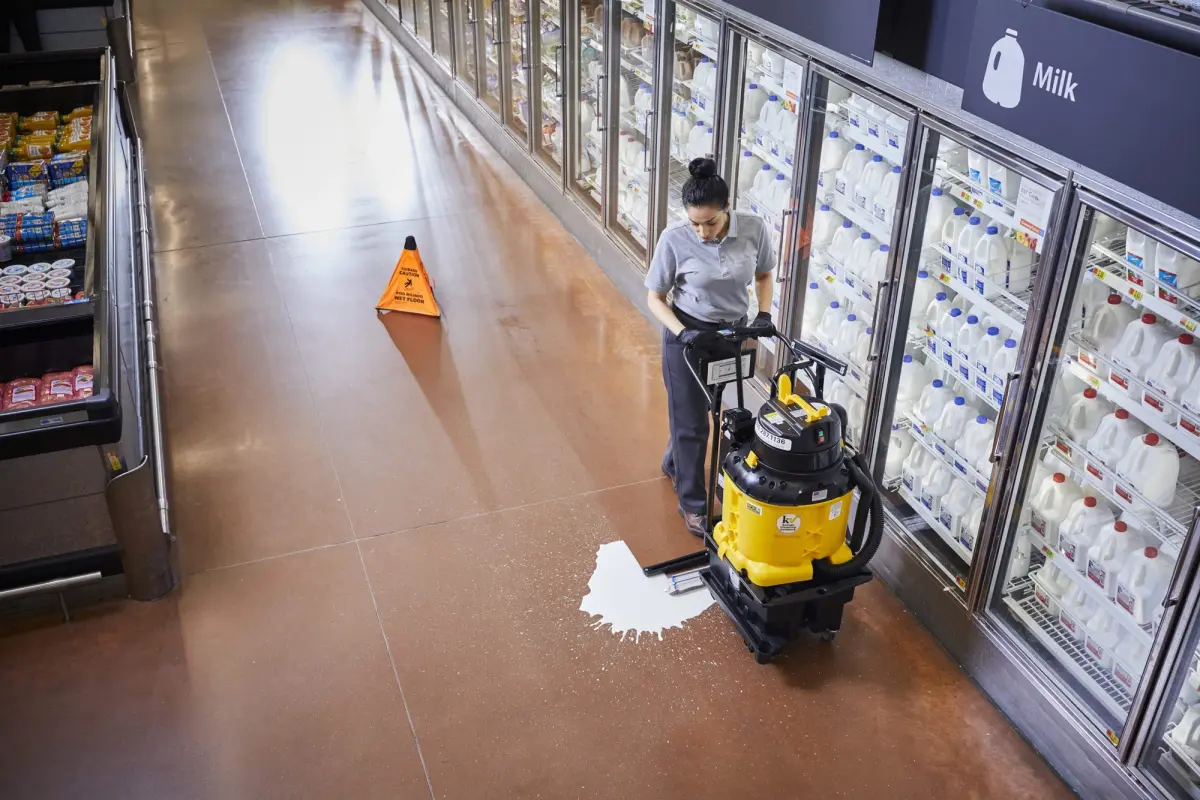
Fort Lauderdale Grocery Store Falls: Evidence to Collect Immediately
Slip and fall accidents in grocery stores are one of the most common premises liability incidents in Fort Lauderdale and throughout Broward County. Supermarkets receive large volumes of daily foot traffic, and with so many products, liquids, and refrigerated items on display, hazardous conditions can appear quickly.
When grocery stores fail to maintain safe conditions, shoppers may slip, fall, and suffer serious injuries. These accidents can lead to expensive medical bills, lost wages, and long recovery periods. However, proving that a grocery store was negligent often depends heavily on the evidence collected immediately after the incident.
Understanding what evidence to gather after a grocery store fall in Fort Lauderdale can make a critical difference in the success of a personal injury claim.
Why Slip and Fall Accidents Happen in Grocery Stores
Grocery stores contain many conditions that increase the risk of slip hazards. From spilled liquids to dropped merchandise, these stores must constantly monitor and maintain their floors.
Some of the most common causes of grocery store slip and fall accidents include:
-
Spilled beverages or food products
-
Leaking refrigeration units
-
Melted ice near frozen food sections
-
Produce items dropped in aisles
-
Cleaning liquids left on floors
-
Rainwater tracked into store entrances
-
Broken containers or packaging
Large supermarkets throughout Fort Lauderdale—including stores located near Las Olas Boulevard, Federal Highway (US-1), and commercial areas across Broward County—must regularly inspect their floors to prevent dangerous conditions.
When store employees fail to clean hazards or provide warnings, accidents can occur.
Common Injuries From Grocery Store Falls
Slip and fall accidents inside grocery stores may appear minor at first, but they can cause serious injuries.
Common injuries include:
-
Broken wrists or arms
-
Hip fractures
-
Traumatic brain injuries
-
Spinal cord injuries
-
Neck and back injuries
-
Severe bruising or soft tissue damage
Older adults are especially vulnerable to severe injuries from falls. However, anyone can suffer significant harm depending on how the fall occurs.
Hospitals and medical centers across Broward County—including facilities in Fort Lauderdale, Plantation, Sunrise, Coral Springs, and Pompano Beach—frequently treat victims injured in supermarket accidents.
Some injuries may require surgery, physical therapy, or long-term rehabilitation.
Florida Law Governing Grocery Store Slip and Fall Cases
Slip and fall cases involving businesses in Florida are governed by Florida Statute 768.0755.
This law requires injured victims to prove that the business had actual or constructive knowledge of the dangerous condition and failed to correct it.
The statute can be reviewed on the Florida Legislature website:
https://www.leg.state.fl.us/statutes/
This legal requirement makes evidence extremely important in grocery store fall cases.
Without strong evidence showing that the store knew or should have known about the hazard, insurance companies may deny the claim.
Why Evidence Must Be Collected Immediately
Evidence can disappear quickly after a grocery store accident.
Employees may clean the spill, remove the hazard, or alter the scene shortly after the fall occurs.
Surveillance footage may also be overwritten within days or weeks if it is not preserved quickly.
Because of this, collecting evidence as soon as possible after the accident is essential.
The sooner evidence is preserved, the stronger the case may become.
Key Evidence to Collect After a Grocery Store Fall
Several types of evidence can help prove that the grocery store failed to maintain safe conditions.
Photographs of the Hazard
Photos taken immediately after the fall can provide powerful evidence.
Important details to capture include:
-
The spill or substance on the floor
-
Lack of warning signs
-
Lighting conditions
-
Surrounding aisles or displays
-
Any damaged containers or packaging
These images can demonstrate the dangerous condition that caused the accident.
Video Surveillance Footage
Most grocery stores in Fort Lauderdale use security cameras throughout the store.
These cameras may capture:
-
The hazardous condition before the fall
-
Employees walking past the hazard
-
How long the spill existed before the accident
-
The fall itself
Because stores control this footage, it is important to request that it be preserved as soon as possible.
Witness Statements
Other shoppers or employees who saw the accident may provide valuable information.
Witnesses may confirm:
-
How the fall occurred
-
Whether the hazard existed for a long time
-
Whether employees ignored the hazard
Collecting witness contact information at the scene can help ensure their statements are available later.
Incident Reports
Most grocery stores require employees to complete an internal incident report after a fall.
This report may contain:
-
Employee observations
-
Time of the accident
-
Store management notes
-
Initial statements about the hazard
Requesting a copy of this report can help support your claim.
Clothing and Footwear
The clothing and shoes worn during the accident may contain evidence of the hazardous substance.
For example:
-
Liquid stains from a spill
-
Food residue from produce or beverages
-
Cleaning chemicals
Preserving these items can help demonstrate the cause of the fall.
Medical Records
Medical documentation helps establish the connection between the fall and the injuries suffered.
Important records may include:
-
Emergency room reports
-
Diagnostic imaging results
-
Doctor evaluations
-
Physical therapy records
These records play a critical role in proving damages.
What Is “Actual Knowledge” in a Grocery Store Fall Case?
Actual knowledge means the store or its employees were aware of the hazardous condition before the accident occurred.
Examples include:
-
An employee saw the spill but failed to clean it
-
A customer previously reported the hazard
-
An employee caused the spill during stocking or cleaning
If the store knew about the hazard and failed to address it, liability may apply.
What Is “Constructive Knowledge”?
Constructive knowledge means the hazard existed long enough that the store should have discovered it through reasonable inspections.
Examples include:
-
A spill remained on the floor for an extended period
-
Produce remained on the floor in a busy aisle
-
Cleaning inspections were not performed regularly
Surveillance footage often plays a key role in proving constructive knowledge.
Florida’s Comparative Negligence Rule
Florida follows a comparative negligence system, meaning the injured person may share some responsibility for the accident.
For example, grocery stores may argue that the victim:
-
Was distracted while walking
-
Ignored warning signs
-
Was using a phone
-
Was wearing unsafe footwear
If a court determines that the victim shares some fault, compensation may be reduced accordingly.
Insurance companies often rely on these arguments to reduce settlement amounts.
Steps to Take Immediately After a Grocery Store Fall
Taking the right steps after a fall can help preserve evidence and protect your legal rights.
Important actions include:
-
Seek medical attention immediately
-
Report the accident to store management
-
Take photographs of the hazard and surrounding area
-
Collect witness names and contact information
-
Request a copy of the incident report
-
Avoid giving recorded statements to insurance companies
-
Contact a personal injury lawyer
These steps can help strengthen your case.
Compensation Available After a Grocery Store Slip and Fall
Victims injured in grocery store accidents may be entitled to compensation for several types of damages.
These may include:
-
Medical expenses
-
Hospital treatment and surgery
-
Rehabilitation and therapy
-
Lost wages
-
Reduced earning capacity
-
Pain and suffering
-
Emotional distress
Severe injuries may require compensation for long-term medical care.
Each claim depends on the specific circumstances of the accident.
Why Insurance Companies Often Dispute Grocery Store Fall Claims
Insurance companies frequently challenge slip and fall claims involving grocery stores.
Common defenses include:
-
Claiming the spill occurred moments before the fall
-
Arguing that the victim should have noticed the hazard
-
Disputing the severity of injuries
-
Offering low settlement amounts early
Strong evidence collected immediately after the accident can help counter these arguments.
How a Fort Lauderdale Personal Injury Lawyer Can Help
Grocery store fall cases often require detailed investigation and evidence preservation.
A Fort Lauderdale personal injury lawyer can assist by:
-
Investigating the accident scene
-
Obtaining surveillance footage from the store
-
Interviewing witnesses
-
Reviewing maintenance and cleaning logs
-
Negotiating with insurance companies
-
Calculating the full value of damages
-
Filing lawsuits when necessary
Legal representation can significantly improve the chances of recovering fair compensation.
Protecting Your Rights After a Grocery Store Fall in Fort Lauderdale
Slip and fall accidents in grocery stores can lead to serious injuries and complex legal claims.
Because Florida law requires proof that the store knew or should have known about the hazardous condition, collecting evidence immediately is critical.
Photos, surveillance footage, witness statements, and medical documentation can all play a vital role in proving negligence.
Taking prompt action after an accident can help ensure that important evidence is preserved.
Speak With a Fort Lauderdale Personal Injury Lawyer Today
If you or a loved one has been injured in a grocery store slip and fall accident in Fort Lauderdale or anywhere in Broward County, you may have the right to pursue compensation for your injuries and financial losses.
An experienced personal injury lawyer can review your case, gather evidence, and help you navigate the legal process.
Most personal injury law firms offer free consultations and operate on a contingency fee basis, meaning you pay no upfront fees.
If you have questions about a grocery store fall in Fort Lauderdale, legal help is available 24/7 to help you move forward with confidence.