
What Evidence Helps Injury Victims in Davie
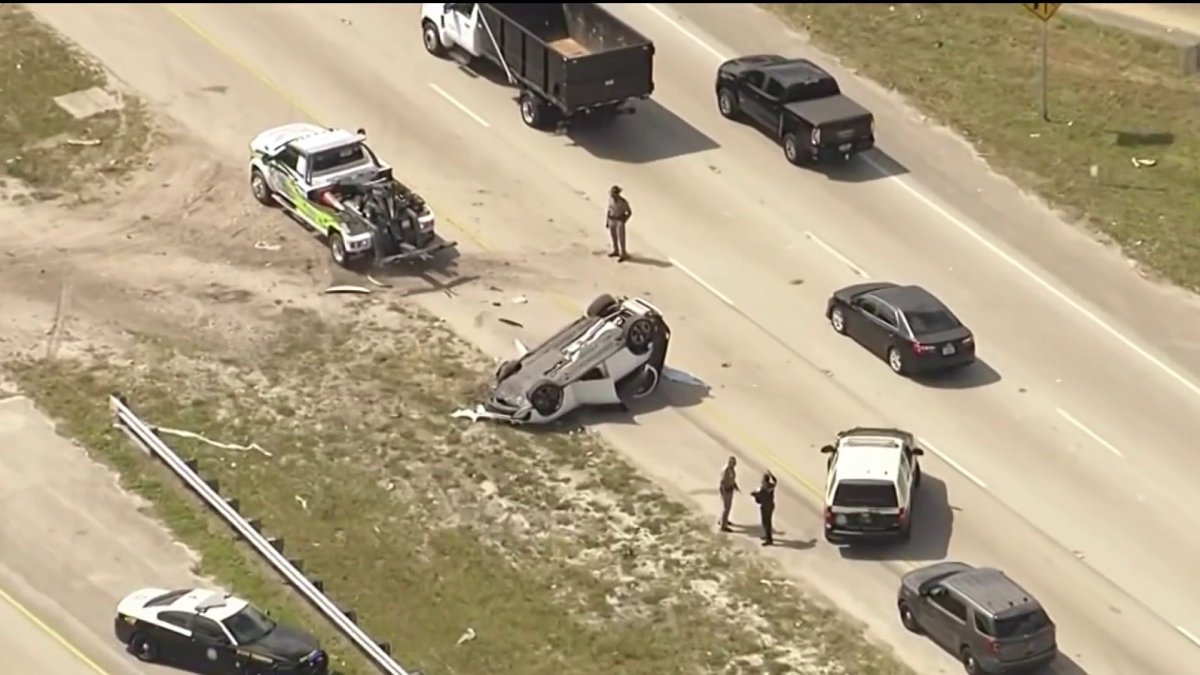
After a serious accident, evidence becomes one of the most important factors in determining whether an injury victim receives fair compensation. For individuals hurt in crashes, slip and falls, or other incidents in Davie, Florida, strong documentation can make the difference between a successful claim and a denied one.
Insurance companies evaluate claims based on proof. Without solid evidence, even legitimate injuries may be questioned. Understanding what evidence helps injury victims in Davie can empower accident victims to protect their legal rights and strengthen their personal injury claims.
Across Broward County and South Florida, injury cases often rely on multiple types of evidence working together to show how the accident happened, who was responsible, and how the injuries affected the victim’s life.
Why Evidence Matters in Personal Injury Claims
Evidence forms the foundation of every personal injury case. It provides the facts needed to demonstrate that another party’s negligence caused harm.
In Florida, injury claims must establish four key elements:
- A duty of care existed
- The responsible party breached that duty
- The breach caused the accident
- The victim suffered measurable damages
Evidence helps prove each of these elements.
For example, if a driver runs a red light at an intersection in Davie or nearby Plantation, traffic camera footage, witness statements, and vehicle damage patterns can all help confirm what happened.
Without this supporting proof, insurance companies may dispute liability or argue that injuries were unrelated to the accident.
Police Accident Reports
One of the first pieces of evidence available after a serious accident is the police report.
In Florida traffic accidents involving injuries, property damage, or fatalities, law enforcement officers typically respond to the scene and create an official report.
These reports often include:
- Date, time, and location of the accident
- Names and contact information for drivers and witnesses
- Vehicle descriptions
- Initial observations from the responding officer
- Possible traffic violations
- Diagrams of the accident scene
While police reports are not always the final word on liability, they provide an important starting point for investigations.
For accidents in Davie, reports may come from agencies such as the Broward Sheriff’s Office, which serves many communities throughout the county.
Photographs and Video Evidence
Photos and video footage can provide powerful visual proof of what occurred.
If possible, accident victims or witnesses should document the scene immediately after the incident.
Helpful images may include:
- Vehicle damage
- Skid marks on the road
- Traffic signals or stop signs
- Weather conditions
- Road hazards
- Visible injuries
Video evidence can be even more compelling.
Potential video sources include:
- Dash cameras
- Traffic cameras
- Nearby business security cameras
- Residential doorbell cameras
In busy areas of Davie and Fort Lauderdale, surveillance cameras are often located near shopping centers, gas stations, and intersections. However, many systems automatically overwrite footage within days or weeks.
Acting quickly to secure this evidence is critical.
Witness Statements
Witness testimony can play a major role in personal injury cases.
Neutral witnesses—people who saw the accident but were not directly involved—can help clarify what happened.
Witnesses may provide details such as:
- Which driver had the right of way
- Whether a vehicle was speeding
- If someone ran a stop sign or red light
- Road or traffic conditions at the time
In accidents involving pedestrians or cyclists, witnesses may be the only source of information explaining how the incident occurred.
Because memories fade quickly, collecting witness contact information at the scene can be extremely valuable later in the investigation.
Medical Records and Treatment Documentation
Medical documentation is one of the most important forms of evidence in any injury claim.
Medical records establish the connection between the accident and the victim’s injuries.
These records may include:
- Emergency room reports
- Physician evaluations
- Diagnostic imaging results such as X-rays or MRIs
- Physical therapy notes
- Prescription records
- Surgical reports
In Florida car accident cases, injured individuals must seek medical treatment within 14 days to qualify for benefits under the state’s Personal Injury Protection (PIP) system, as outlined in Florida Statute §627.736.
Prompt treatment helps demonstrate that injuries were caused by the accident rather than unrelated factors.
Expert Testimony
In more complex cases, expert witnesses may provide specialized analysis that strengthens a claim.
Experts may include:
- Accident reconstruction specialists
- Medical professionals
- Biomechanical engineers
- Economic experts evaluating lost earnings
Accident reconstruction experts analyze vehicle damage, skid marks, and physics principles to determine how a crash likely occurred.
Medical experts help explain the severity of injuries and the long-term effects on a victim’s health.
Economic experts may estimate future lost wages or lifetime medical expenses for victims with serious injuries.
These professional opinions can be especially important when insurance companies dispute liability or injury severity.
Property Damage Evidence
Damage to vehicles or property can also reveal important details about how an accident happened.
For example, the location and severity of damage on vehicles can help show:
- The angle of impact
- Which vehicle struck first
- The likely speed at the time of the crash
In accidents involving commercial trucks or multiple vehicles on roads like I-595 or State Road 84 near Davie, property damage analysis can help reconstruct the sequence of events.
Repair estimates, photographs, and vehicle inspection reports all contribute to this type of evidence.
Employment and Income Records
Accidents often disrupt a victim’s ability to work.
To recover compensation for lost wages, documentation may include:
- Pay stubs
- Tax returns
- Employer statements
- Work schedules
- Disability documentation
For individuals with long-term injuries that affect their ability to return to work, economic experts may calculate loss of future earning capacity.
This evidence ensures that compensation accounts for both immediate and long-term financial losses.
Personal Documentation of Pain and Recovery
Although medical records provide clinical evidence, personal documentation can also help illustrate the real-life impact of an injury.
Many attorneys recommend that injury victims keep a recovery journal.
This journal may record:
- Daily pain levels
- Mobility limitations
- Missed work or activities
- Emotional struggles
- Medical appointments and treatments
These details help demonstrate how the injury affects daily life, relationships, and overall well-being.
Non-economic damages such as pain and suffering are often supported by this type of personal documentation.
Evidence in Slip and Fall Cases
Not all injury claims involve vehicle accidents. Slip and fall incidents are also common in Davie shopping centers, restaurants, and retail stores.
Evidence in these cases may include:
- Photos of the hazard (such as wet floors or uneven surfaces)
- Maintenance records from the property owner
- Incident reports filed with the business
- Surveillance footage
- Witness testimony
Property owners in Florida have a legal duty to maintain safe premises for visitors. Evidence helps determine whether the owner failed to address a dangerous condition.
Social Media and Digital Evidence
In today’s digital world, online activity can also become evidence in personal injury cases.
Insurance companies sometimes monitor social media accounts to look for posts that contradict injury claims.
For example, photos showing physical activity shortly after an accident could be used to argue that injuries are less serious than claimed.
Because of this, injury victims are often advised to avoid posting details about their accident or recovery online until their case is resolved.
Florida’s Comparative Negligence Law
Evidence also plays a critical role in determining fault under Florida’s comparative negligence rule.
Under Florida Statute §768.81, compensation may be reduced if the injured person shares responsibility for the accident.
For example:
- A victim awarded $100,000 in damages
- Found 25% responsible for the accident
- Would receive $75,000 in compensation
Insurance companies often attempt to assign partial blame to victims. Strong evidence can counter these arguments and protect the full value of a claim.
Deadlines for Preserving Evidence
Timing is critical when collecting evidence.
Surveillance footage may be erased, witnesses may move away, and physical evidence can disappear quickly.
Florida law also imposes deadlines for filing personal injury claims.
Under Florida Statute §95.11, most personal injury lawsuits must be filed within two years from the date of the accident.
Starting the investigation early helps ensure that key evidence is preserved and available if litigation becomes necessary.
How Personal Injury Lawyers Gather and Protect Evidence
Experienced personal injury attorneys often play a vital role in collecting and preserving evidence.
Lawyers may:
- Send formal requests to preserve surveillance footage
- Obtain police and accident reports
- Interview witnesses
- Work with accident reconstruction experts
- Collect medical records and expert opinions
In complex cases involving commercial vehicles, rideshare companies, or construction accidents, legal teams may also secure company records, maintenance logs, and electronic data.
These resources can significantly strengthen an injury victim’s case.
Protecting Your Rights After an Accident in Davie
If you are injured in an accident in Davie or anywhere in Broward County, taking the right steps early can protect valuable evidence.
Important actions include:
- Seeking medical attention immediately
- Reporting the accident to law enforcement
- Taking photographs of the scene
- Collecting witness contact information
- Keeping records of medical bills and expenses
These steps help create the documentation needed to support a strong personal injury claim.