
Understanding Legal Liability in Personal Injury Cases in Fort Lauderdale
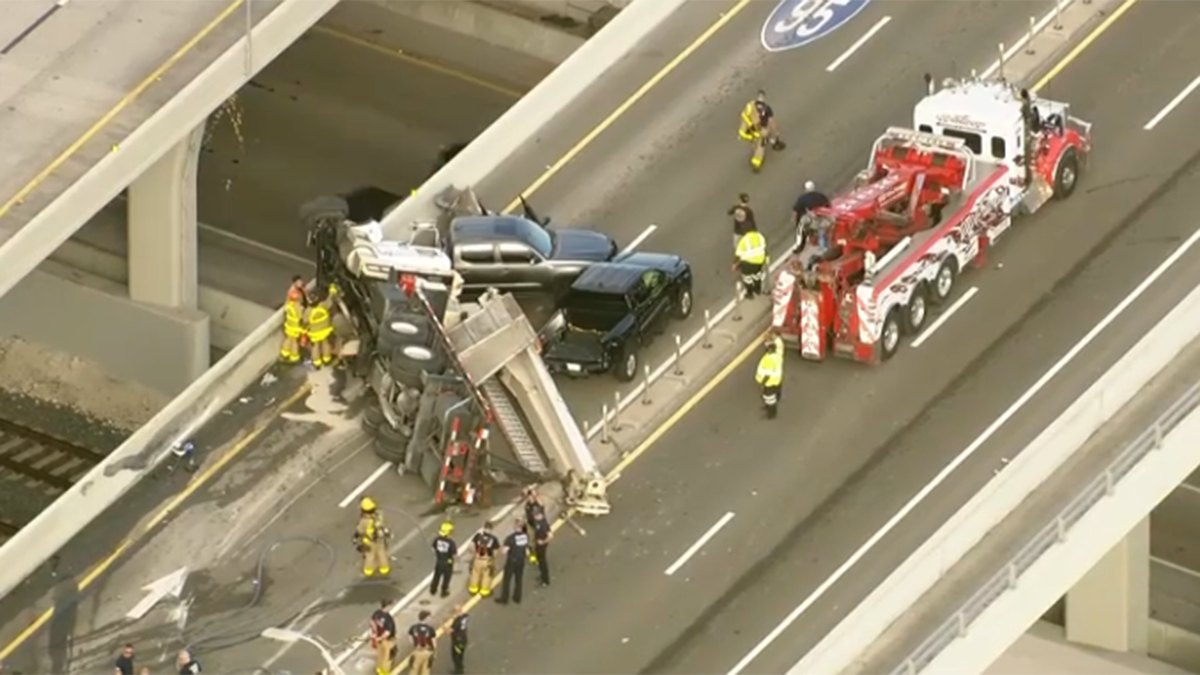
When someone is injured in an accident in Fort Lauderdale, Plantation, Hollywood, or across Broward County, determining legal liability is critical to obtaining compensation. Liability establishes who is responsible for the accident and the resulting damages. Whether the case involves a car crash on I-95, a motorcycle accident near Sunrise Boulevard, a slip and fall in a local shopping center, or a pedestrian collision in Coral Springs, understanding how Florida law assigns responsibility is essential for protecting your rights and recovering fully.
What Is Legal Liability?
Legal liability refers to the legal responsibility one party has for the injuries or damages caused to another. In personal injury cases, the party who breached a duty of care or acted negligently can be held liable for the victim’s economic and non-economic losses. Liability determines who must pay for medical expenses, lost wages, property damage, pain and suffering, and other consequences.
Key Elements of Liability in Florida
Florida law requires several elements to establish liability in personal injury claims:
- Duty of Care – The responsible party must have owed a legal obligation to act safely. For example, drivers must obey traffic laws, property owners must maintain safe premises, and employers must follow workplace safety protocols.
- Breach of Duty – The party must have failed to meet that duty. Examples include reckless driving, ignoring hazards, violating safety standards, or failing to maintain property.
- Causation – There must be a direct link between the breach of duty and the injury. The victim must show that the accident would not have occurred “but for” the defendant’s actions or inactions.
- Damages – The victim must have suffered quantifiable harm, such as medical bills, lost wages, property damage, or pain and suffering.
Florida follows comparative negligence rules (Florida Statutes §768.81), meaning compensation may be reduced if the victim shares some responsibility for the accident. Proper evidence collection ensures accurate liability determination and maximizes recovery.
Types of Liability in Personal Injury Cases
1. Negligence
Negligence is the most common basis for liability. It occurs when someone fails to act as a reasonably prudent person would, causing harm. Examples include:
- Car or motorcycle accidents caused by distracted or reckless driving
- Slip and fall injuries due to wet floors or uneven surfaces
- Bicycle or pedestrian accidents caused by driver inattention
- Workplace accidents where safety regulations were ignored
Proving negligence requires solid evidence of the breach, causation, and resulting damages.
2. Strict Liability
In some cases, liability does not depend on negligence. Strict liability applies when certain activities are inherently dangerous or when defective products cause injury. Examples include:
- Injuries from defective vehicles or machinery
- Dog bites or attacks
- Accidents involving inherently hazardous activities
Strict liability allows victims to recover compensation even if the defendant exercised reasonable care.
3. Vicarious Liability
Employers or property owners can sometimes be held responsible for the actions of their employees or contractors. Examples include:
- A delivery driver causing a car accident during work hours
- A construction company liable for safety violations on-site
- Businesses responsible for negligent actions of staff that result in customer injury
Vicarious liability expands the scope of potential defendants in personal injury cases.
Evidence That Establishes Liability
Police and Accident Reports
Reports from the Fort Lauderdale Police Department, Broward Sheriff’s Office, or other authorities provide objective accounts of the incident, including fault indicators.
Photographs and Videos
Visual evidence of accident scenes, property damage, road conditions, or injuries helps demonstrate negligence or hazardous conditions.
Witness Statements
Eyewitness testimony can corroborate your account and highlight negligent behavior. Collect statements from bystanders in Fort Lauderdale, Hollywood, Coral Springs, Pompano Beach, or Deerfield Beach.
Medical Records
Medical documentation establishes the link between the accident and injuries, demonstrating damages caused by the liable party.
Expert Testimony
Experts can provide specialized analysis for complex cases, including accident reconstruction, medical assessments, and safety evaluations.
Common Challenges in Liability Determination
- Disputed fault, especially in multi-vehicle accidents
- Shared responsibility under comparative negligence
- Lack of timely evidence or witness statements
- Insurance companies downplaying or disputing damages
A Fort Lauderdale personal injury attorney can navigate these challenges, ensuring evidence is preserved and liability is clearly established.
The Role of a Fort Lauderdale Personal Injury Lawyer
An experienced local attorney helps victims:
- Collect and organize critical evidence
- Identify liable parties, including potential vicarious or strict liability defendants
- Calculate accurate economic and non-economic damages
- Negotiate assertively with insurance companies
- Represent clients in court if settlement negotiations fail
Local legal expertise is particularly valuable in Broward County, where traffic patterns, construction zones, and local accident hotspots can influence liability.
Moving Forward After an Accident
Understanding legal liability is essential for victims seeking compensation in Fort Lauderdale and surrounding areas such as Plantation, Hollywood, Coral Springs, Pompano Beach, and Deerfield Beach. Proper evidence collection, documentation of damages, and experienced legal guidance increase the likelihood of a fair outcome.
If you or a loved one have been injured, contact a trusted Fort Lauderdale personal injury lawyer. Free consultations are available, there are no upfront fees, and 24/7 legal guidance ensures your rights are protected. With professional legal support, accident victims can pursue full compensation for medical expenses, lost wages, property damage, pain and suffering, and long-term consequences, securing the recovery they deserve.