
Understanding Damage Recovery in Davie Personal Injury Cases
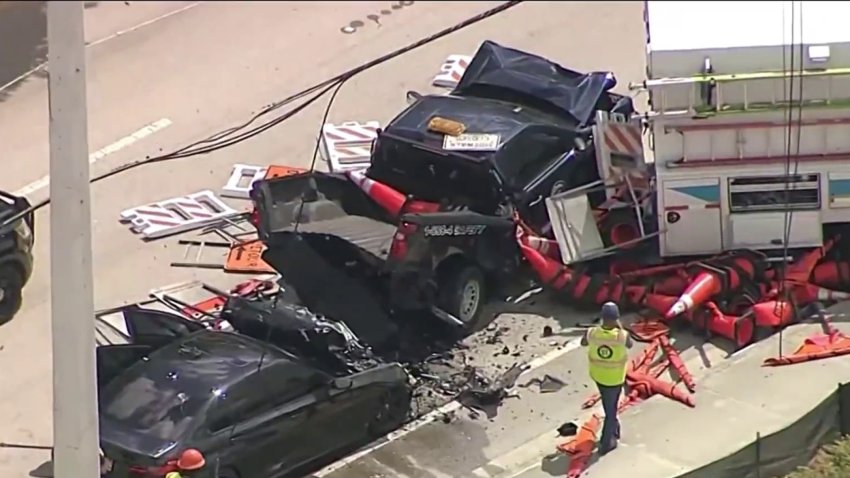
Accidents in Davie, Florida, can leave victims dealing with physical pain, emotional trauma, and financial stress. Beyond immediate recovery, one of the most important aspects of navigating an accident is understanding how damage recovery works in personal injury cases. Whether the accident involves a car, motorcycle, slip and fall, or workplace injury, knowing what compensation is available and how it is calculated can empower victims to protect their rights.
In Broward County and the surrounding South Florida area, damage recovery involves multiple legal processes, Florida-specific laws, and strategic decisions. Personal injury victims often face insurance company negotiations, potential litigation, and long-term planning for ongoing medical needs. Understanding the types of recoverable damages, the steps involved, and common pitfalls can significantly impact the outcome of a claim.
What Damage Recovery Means in Florida Personal Injury Cases
Damage recovery is the legal process through which an injured person seeks financial compensation for losses caused by another party’s negligence or wrongful actions. In Florida, personal injury claims generally focus on two categories of damages:
- Economic damages – Quantifiable losses, such as medical bills, lost wages, and property damage.
- Non-economic damages – Subjective losses, including pain and suffering, emotional distress, and loss of enjoyment of life.
Some cases, particularly wrongful death claims, may also include loss of consortium or loss of support for surviving family members.
Recovery is designed not to punish the responsible party but to restore the injured individual as much as possible to the position they would have been in had the accident not occurred.
Economic Damages: Covering Immediate and Long-Term Costs
Economic damages are easier to calculate because they relate to actual expenses or lost income. In Davie injury cases, these may include:
1. Medical Expenses
Medical treatment is typically the largest component of economic damages. It can include:
- Emergency room visits
- Hospitalization
- Surgeries and procedures
- Prescription medications
- Physical therapy and rehabilitation
- Long-term care or home modifications for permanent injuries
Documenting every medical expense is critical. Florida’s Personal Injury Protection (PIP) insurance provides coverage for certain medical costs, but serious injuries often exceed these limits, necessitating claims against the at-fault party’s insurance.
2. Lost Wages
Accidents often prevent victims from returning to work temporarily. Compensation for lost wages includes:
- Time off work during recovery
- Overtime lost due to absence
- Bonuses or commissions impacted by missed work
3. Loss of Earning Capacity
For victims with permanent injuries, future earning potential may be affected. Economic damages may account for:
- Reduced ability to perform prior job duties
- Career changes due to physical limitations
- Decreased lifetime income
In cases involving severe injuries, attorneys often work with vocational experts or economists to calculate these losses.
4. Property Damage
In vehicle accidents, property damage recovery typically covers:
- Vehicle repair or replacement
- Rental car expenses
- Loss of personal property in the vehicle
Documentation such as repair estimates, invoices, and photos is essential to prove the value of property damage.
Non-Economic Damages: Addressing Intangible Losses
Non-economic damages compensate for the personal and emotional toll of an injury. These may include:
1. Pain and Suffering
Pain and suffering reflect the physical discomfort caused by an accident. Factors that can influence this include:
- Severity of injuries
- Duration of recovery
- Presence of permanent disability
Courts or insurance companies may calculate pain and suffering using methods like per diem calculations or multipliers applied to economic damages.
2. Emotional Distress
In addition to physical pain, accidents can cause psychological trauma, including:
- Anxiety
- Depression
- Sleep disturbances
- Post-traumatic stress
Medical documentation from psychologists or counselors often supports claims for emotional distress.
3. Loss of Enjoyment of Life
Injuries may limit participation in hobbies, recreation, or daily activities. Documenting these impacts—through personal journals, photos, or testimony—helps establish the real-life consequences of the accident.
Wrongful Death Damages
In cases where an accident leads to a fatality, surviving family members may pursue wrongful death claims. Recoverable damages may include:
- Funeral and burial costs
- Lost financial support from the deceased
- Loss of companionship or consortium
- Pain and suffering experienced by family members
Florida law allows certain family members to file claims under Florida Statute §768.21, making timely legal consultation critical.
Calculating Compensation in Davie Injury Cases
The amount of compensation depends on multiple factors:
- Severity and permanence of injuries
- Total medical expenses and lost income
- Impact on lifestyle and daily activities
- Degree of liability under Florida’s comparative negligence laws
Florida follows a modified comparative negligence rule (Florida Statute §768.81). If an injured person is partially at fault, their compensation is reduced proportionally. For example:
- If damages are $100,000 and the victim is 25% at fault, they may recover $75,000.
- Victims found more than 50% at fault cannot recover any damages.
Evidence gathered early—including witness statements, photographs, and medical records—is critical in establishing liability and protecting the full value of a claim.
The Role of Insurance in Damage Recovery
Insurance companies play a central role in Davie personal injury cases. Most claims begin with negotiation rather than litigation.
Key points to understand include:
- PIP coverage addresses immediate medical costs and some lost wages
- Liability insurance from the at-fault party covers costs beyond PIP limits
- Insurance adjusters may attempt to minimize payouts or assign partial fault to victims
- Early settlement offers may not account for future medical expenses or ongoing pain and suffering
An experienced personal injury attorney helps ensure that negotiations reflect the true scope of damages.
Steps in the Legal Process That Affect Damage Recovery
Recovering damages is not automatic—it is shaped by several legal processes:
1. Evidence Collection
Gathering evidence immediately after an accident helps support claims for both economic and non-economic damages. This may include:
- Accident scene photos and videos
- Witness statements
- Police reports
- Medical records and bills
- Employment records
2. Demand Letters and Settlement Negotiations
Attorneys typically send a demand letter to the insurance company outlining:
- Liability
- Injuries and medical treatment
- Lost income
- Estimated compensation
Negotiations may take months, especially in cases involving severe injuries or disputed liability.
3. Filing a Lawsuit
If a fair settlement cannot be reached, filing a personal injury lawsuit is often the next step. Legal proceedings involve:
- Drafting a complaint
- Serving the defendant
- Engaging in discovery to gather additional evidence
- Depositions, expert testimony, and document requests
4. Trial Preparation
If the case goes to trial, attorneys present evidence and argue on behalf of the victim. Judges or juries determine both liability and the appropriate damages.
Even when most cases settle before trial, preparing for litigation ensures that victims have leverage to secure fair compensation.
Protecting Your Recovery With Legal Representation
Damage recovery in Davie personal injury cases is complex. Insurance companies may attempt to:
- Underestimate medical costs
- Limit compensation for lost income
- Challenge claims for pain and suffering
- Shift blame to the victim
Working with a Fort Lauderdale personal injury lawyer ensures that:
- Evidence is gathered and preserved
- Medical expenses are fully documented
- Lost wages and future earning capacity are properly calculated
- Comparative negligence defenses are addressed
- Fair settlements or trial outcomes reflect the true extent of damages
Local attorneys also understand Broward County courts, traffic patterns, and accident hotspots like I-595, Griffin Road, and University Drive, helping to strengthen claims.
Taking Action After an Accident
If you are injured in Davie or surrounding areas, taking the right steps early can protect your ability to recover damages:
- Seek medical attention immediately.
- Report the accident to law enforcement.
- Document the scene with photos and witness information.
- Keep detailed records of medical treatment and expenses.
- Avoid posting accident details on social media.
- Consult with an experienced personal injury attorney promptly.
Early action ensures that evidence is preserved and that legal deadlines, such as the two-year statute of limitations under Florida Statute §95.11, are met.