
The Impact of Surveillance Cameras in Fort Lauderdale Accident Claims
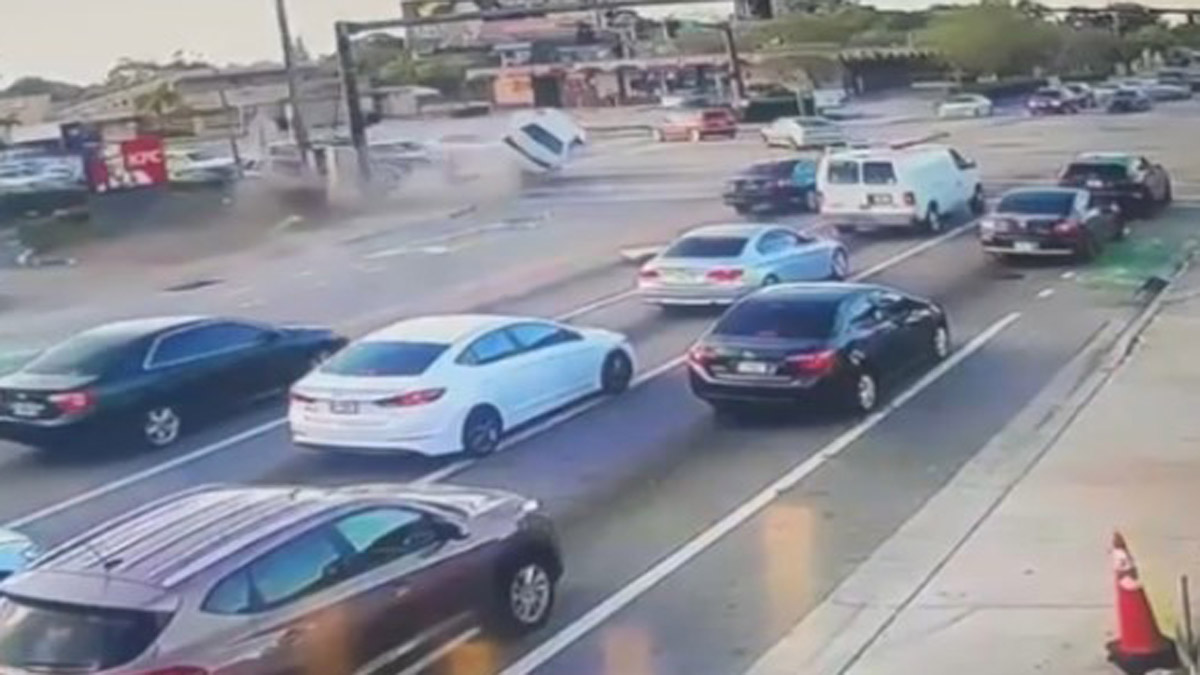
In today’s digital age, surveillance cameras play a critical role in Fort Lauderdale accident claims. From car accidents on I-95 to slip and fall incidents in local stores, video footage often provides the clearest, most unbiased view of what really happened.
For injured victims in Broward County and across South Florida, understanding how surveillance evidence impacts your personal injury case can be the difference between a fair settlement and an undervalued claim.
Why Surveillance Footage Matters
When it comes to personal injury cases, the facts are everything.
Insurance companies often dispute liability or downplay injuries. Witnesses may have conflicting accounts. Memory fades over time.
Surveillance footage offers neutral, objective evidence. It shows:
- How the accident occurred
- Who was at fault
- Speed and direction of vehicles
- Actions of pedestrians or cyclists
- Road or property conditions at the time
Unlike eyewitness testimony, cameras do not forget. A clear video can settle disputes quickly and strengthen your case significantly.
Common Types of Surveillance in Fort Lauderdale
In Fort Lauderdale and surrounding cities like Hollywood, Plantation, Davie, Sunrise, Coral Springs, Pompano Beach, and Deerfield Beach, surveillance cameras are everywhere. The types of footage that can be crucial in accident claims include:
1. Traffic and Red Light Cameras
Intersections along Sunrise Boulevard, Federal Highway (US-1), and I-595 often have cameras capturing vehicle movements.
These cameras can:
- Show who ran a red light
- Capture lane changes or illegal turns
- Record speeding violations
Traffic camera footage is particularly valuable in rear-end or intersection collisions.
2. Business Security Cameras
Retail stores, restaurants, and commercial properties often maintain video surveillance for security purposes.
These cameras can capture:
- Slip and fall accidents
- Violations of safety protocols
- Employee negligence
For example, a grocery store in Plantation or a shopping center in Coral Springs may provide video showing that a spill was left unattended before a customer fell.
3. Private Property Cameras
Many homeowners in Fort Lauderdale use doorbell cameras, garage cameras, or home security systems.
Footage from these devices can document:
- Property damage
- Pedestrian accidents
- Hit-and-run incidents
- Trespassing or unsafe conditions
Even a small private camera can capture critical evidence that insurance companies cannot easily challenge.
4. Dashcams
Dashcams are becoming increasingly common in vehicles.
If another driver or even you have a dashcam, it can provide a first-person perspective of:
- The accident sequence
- Road conditions
- Speed and braking patterns
Dashcam footage often carries high credibility because it comes from an independent device rather than a witness.
How Surveillance Impacts Liability
Liability disputes are common in Fort Lauderdale accident cases. Insurance companies frequently attempt to shift blame or minimize responsibility.
Video evidence directly addresses liability issues by showing:
- Who was at fault
- Traffic violations or dangerous driving behavior
- Environmental hazards that contributed to the accident
For instance:
- A rear-end collision captured by a traffic camera can prove the other driver failed to maintain a safe following distance.
- Security footage showing an unmarked wet floor can confirm a store owner’s negligence in a slip and fall case.
Without video, cases often rely on witness statements, which can be inconsistent or biased. Surveillance eliminates much of that uncertainty.
Preserving Surveillance Evidence
Time is critical. Cameras often overwrite footage within days or weeks.
In Fort Lauderdale:
- Store security systems may save video for 7–30 days.
- Traffic cameras may retain recordings for only a short period before being recycled.
- Private cameras may have limited storage and overwrite automatically.
If you suspect surveillance footage exists, contact an attorney immediately. Prompt action ensures the footage is preserved through formal legal requests, also known as preservation letters.
Failing to preserve video can weaken your claim and allow insurers to argue that evidence no longer exists.
How Insurers Respond to Video Evidence
Insurance companies are highly aware of the value of surveillance footage.
When video clearly shows liability:
- Settlement offers may increase
- Disputes over fault may be resolved faster
- Negotiations may shift focus from fault to damages
However, insurers will still scrutinize:
- The clarity of the video
- Camera angle and distance
- Time stamps
- Context of the incident
Attorneys often work with video experts to enhance and interpret footage, ensuring it is admissible in court.
Surveillance and Damages Assessment
Video evidence also influences damage calculations, particularly for non-economic damages like pain and suffering.
- Videos showing the severity of a crash or fall can demonstrate the physical impact of the accident.
- Footage of post-accident conditions—such as a victim struggling to move or carrying heavy objects—can support claims for ongoing pain or disability.
- Long-term lifestyle limitations may be corroborated with repeated video evidence in premises liability cases.
By showing the extent of injuries and how the accident occurred, video can substantiate both economic and non-economic damages.
Challenges with Surveillance Evidence
While video is powerful, there are challenges:
- Poor quality or low-resolution footage may not clearly show details.
- Cameras may be positioned at angles that obscure key aspects of the accident.
- Insurance adjusters may argue videos are incomplete or misleading.
- Some property owners may refuse to release footage without legal pressure.
A skilled Fort Lauderdale personal injury attorney knows how to overcome these challenges. They can issue legal requests, work with forensic experts, and present video effectively in negotiations or trial.
Case Examples Where Video Changed Outcomes
- Intersection Collision in Fort Lauderdale
A driver claimed they had a green light. Traffic camera footage showed otherwise, resulting in a full settlement for the injured party. - Slip and Fall in Coral Springs
A grocery store argued the spill appeared moments before the fall. Security footage proved the spill was unattended for over 10 minutes, confirming negligence. - Hit-and-Run in Pompano Beach
Doorbell camera footage captured the license plate of the fleeing vehicle, enabling the victim to pursue a claim against the at-fault driver.
These examples highlight how video can transform weak or disputed cases into strong claims.
Steps to Take If You Suspect Video Exists
- Identify Potential Sources
- Nearby businesses, traffic cameras, private residences, dashcams.
- Preserve the Evidence Quickly
- Request preservation immediately.
- Contact an attorney for formal letters to prevent deletion.
- Document Your Observations
- Note time, location, and potential camera positions.
- Take your own photographs to complement video evidence.
- Avoid Sharing or Altering Video
- Do not post footage on social media.
- Provide it only to your attorney for review.
- Work With Legal and Technical Experts
- Attorneys often collaborate with forensic video analysts to ensure admissibility.
Why Legal Guidance Is Critical
Video evidence alone does not guarantee success. Proper legal strategy is essential:
- Preserving and authenticating the footage
- Integrating video with witness statements, medical records, and other evidence
- Anticipating insurance defenses
- Using video effectively in settlement or trial
Fort Lauderdale personal injury lawyers have experience navigating these complex evidentiary issues.
Conclusion
Surveillance cameras have a profound impact on Fort Lauderdale accident claims. They provide neutral, real-time documentation that can:
- Clarify liability
- Support causation
- Substantiate damages
- Counter insurance minimization tactics
However, footage is perishable, and insurance companies are skilled at challenging video evidence. Prompt legal action is crucial.