
Proving Negligence in a Fort Lauderdale Personal Injury Case
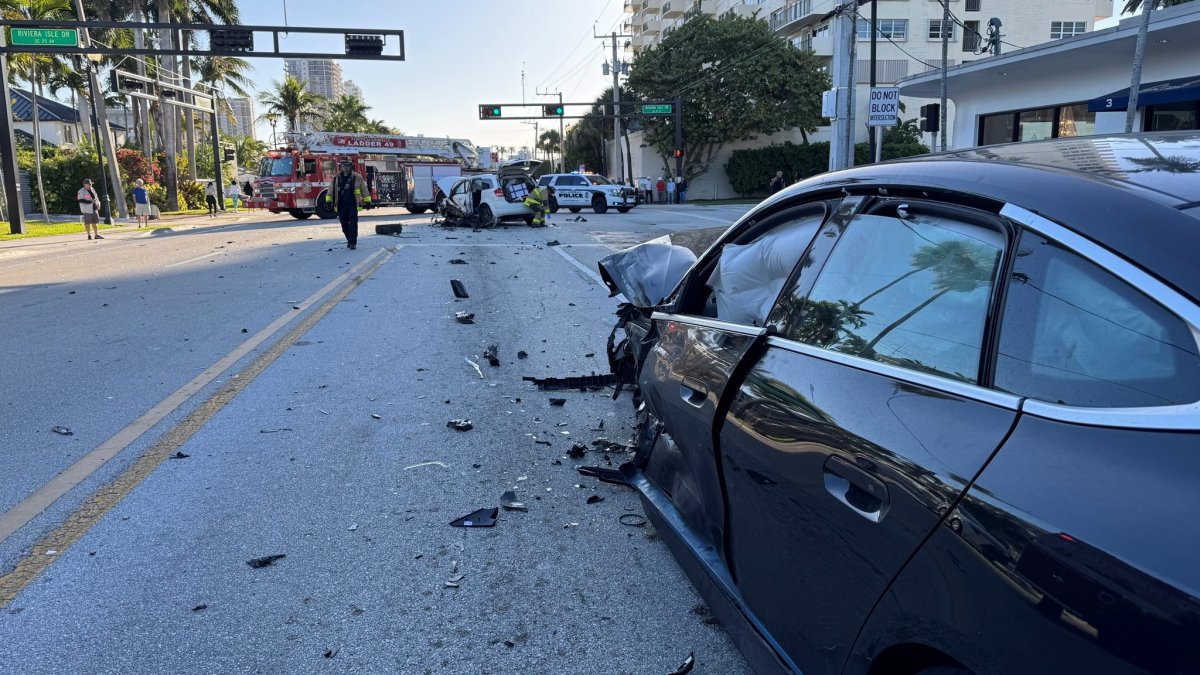
If you’ve been injured in an accident, one question controls everything:
Can you prove the other party was negligent?
In Fort Lauderdale personal injury cases, compensation doesn’t happen automatically. You must prove that someone else’s carelessness caused your injuries. Without proof of negligence, even serious injuries may not result in financial recovery.
So how exactly do you prove negligence under Florida law?
Let’s break it down clearly and practically.
What Is Negligence?
Negligence is the legal foundation of most personal injury claims. Whether your case involves a car crash, slip and fall, truck accident, or premises liability issue, you must establish that another party failed to act reasonably under the circumstances.
Negligence is not about bad luck.
It’s about legal responsibility.
In Fort Lauderdale, negligence claims are governed by Florida law, including the comparative fault rules outlined in Florida Statute §768.81.
To win your case, you must prove four specific elements.
Miss one? The claim can collapse.
The Four Elements of Negligence
Every personal injury case requires proof of:
- Duty of Care
- Breach of Duty
- Causation
- Damages
Let’s walk through each one.
1. Duty of Care
The first step is showing the defendant owed you a duty of care.
A duty of care is a legal obligation to act reasonably to avoid harming others.
Examples include:
- Drivers must operate vehicles safely.
- Property owners must maintain safe premises.
- Trucking companies must follow safety regulations.
- Businesses must address dangerous conditions.
If you’re injured in a crash on I-95 or a slip and fall in a Fort Lauderdale grocery store, the other party likely owed you a duty of care.
Duty is usually straightforward. The real battles happen in the next steps.
2. Breach of Duty
Next, you must prove the defendant breached that duty.
This means they failed to act as a reasonably careful person would under similar circumstances.
Examples of breaches include:
- Texting while driving
- Running a red light
- Failing to clean a spill
- Ignoring broken handrails
- Speeding in heavy traffic
In many Fort Lauderdale accident cases, breach of duty is proven through:
- Police reports
- Surveillance footage
- Witness statements
- Traffic camera recordings
- Expert testimony
The key question becomes:
Did the defendant act unreasonably?
If yes, breach is established.
3. Causation
Causation is often the most contested element.
You must prove that the defendant’s breach directly caused your injuries.
There are two types of causation in Florida:
Actual Cause (Cause in Fact)
Would your injury have occurred “but for” the defendant’s actions?
If the answer is no, actual cause is established.
Proximate Cause
Was the injury a foreseeable result of the defendant’s conduct?
For example:
If a driver runs a red light and crashes into you, your injuries are foreseeable.
If an entirely unrelated event caused your harm, causation may fail.
Insurance companies frequently challenge causation by arguing:
- Pre-existing conditions caused your symptoms.
- The accident was minor.
- Treatment gaps weaken the link between the crash and injury.
Strong medical documentation and expert opinions are crucial here.
4. Damages
Finally, you must prove you suffered actual damages.
Negligence without damages is not enough.
Compensable damages may include:
- Medical expenses
- Future medical treatment
- Lost wages
- Reduced earning capacity
- Pain and suffering
- Emotional distress
- Permanent disability
Medical records, bills, employment documentation, and expert projections establish this element.
Without measurable harm, the claim fails—even if someone acted carelessly.
How Evidence Strengthens a Negligence Case
Proving negligence depends heavily on evidence.
In Fort Lauderdale personal injury cases, valuable evidence may include:
- Police accident reports
- Eyewitness statements
- Surveillance footage
- Photographs of the scene
- Vehicle damage analysis
- Black box data
- Cell phone records
- Maintenance logs
- Medical records
Time matters.
Evidence can disappear quickly. Surveillance footage is often overwritten within days. Witness memories fade. Physical evidence gets repaired or cleaned.
Early investigation is critical.
Comparative Negligence in Florida
Florida follows a modified comparative negligence rule under Florida Statute §768.81.
This means:
- If you are partially at fault, your compensation is reduced by your percentage of fault.
- If you are more than 50% at fault, you may recover nothing.
Example:
If your damages total $300,000 but you are found 20% responsible, your recovery is reduced to $240,000.
Insurance companies aggressively try to shift blame onto injured victims.
They may argue:
- You were speeding.
- You were distracted.
- You ignored warning signs.
- You failed to mitigate damages.
Proving negligence includes defending against these tactics.
Common Types of Negligence Cases in Fort Lauderdale
Car Accidents
Car crashes are among the most common personal injury claims.
Negligence may involve:
- Distracted driving
- Drunk driving
- Speeding
- Failure to yield
- Aggressive driving
Police reports and accident reconstruction experts often play a major role.
Slip and Fall Accidents
Premises liability cases require proving the property owner knew or should have known about a dangerous condition.
Under Florida law, simply slipping is not enough.
You must prove:
- A hazardous condition existed.
- The owner had actual or constructive notice.
- They failed to correct it.
Surveillance footage and maintenance logs are key.
Truck Accidents
Commercial truck cases often involve multiple defendants, including:
- The truck driver
- The trucking company
- Maintenance providers
- Cargo loaders
Federal regulations may apply, increasing complexity.
The Role of Expert Witnesses
Some negligence cases require expert testimony.
Examples include:
- Accident reconstruction experts
- Medical specialists
- Vocational rehabilitation experts
- Economic loss analysts
Experts explain technical details to judges and juries.
In serious injury cases, expert support significantly strengthens causation and damages claims.
Insurance Company Defense Strategies
Insurance companies are not neutral.
Their goal is minimizing payouts.
Common tactics include:
- Disputing liability
- Claiming shared fault
- Questioning injury severity
- Alleging pre-existing conditions
- Monitoring social media activity
- Offering quick, low settlements
They may contact you early, hoping you make statements that weaken your claim.
Be cautious.
Why Documentation and Consistency Matter
Consistency strengthens credibility.
Gaps in medical treatment, missed appointments, or contradictory statements can be used against you.
If you claim severe back pain but post vacation photos lifting heavy objects, insurers will use that evidence to challenge your claim.
Personal injury cases require strategic presentation.
Details matter.
Statute of Limitations in Florida
Under Florida law, most negligence-based personal injury cases must be filed within two years from the date of the accident.
Miss the deadline, and you lose your right to compensation—regardless of how strong your case is.
There are limited exceptions, but they are rare.
Timely legal action protects your rights.
Why Legal Representation Makes a Difference
Proving negligence is not just about telling your story.
It involves:
- Gathering evidence
- Preserving documentation
- Working with experts
- Negotiating with insurers
- Filing lawsuits when necessary
- Presenting persuasive arguments
An experienced Fort Lauderdale personal injury attorney understands local court procedures, insurance tactics, and jury expectations.
They build the case before negotiations even begin.
Every Negligence Case Is Unique
No two accidents are identical.
The strength of your claim depends on:
- Liability clarity
- Injury severity
- Evidence quality
- Witness credibility
- Insurance coverage limits
Strong cases combine solid evidence with clear legal strategy.
Weak cases often suffer from missing documentation or delayed action.
Protect Your Rights After an Accident
If you were injured in a car accident, slip and fall, truck crash, pedestrian accident, or other incident in Fort Lauderdale, proving negligence is the key to recovering compensation.
Do not assume fault is obvious.
Do not assume the insurance company will be fair.
Do not delay gathering evidence.
The sooner you act, the stronger your case becomes.
We offer free consultations to evaluate your negligence claim and explain your legal options.
There are no upfront fees.
You pay nothing unless compensation is recovered.
If someone else’s negligence caused your injuries, take action today to protect your financial future and your legal rights.