
Proving Liability in Florida Accident Claims
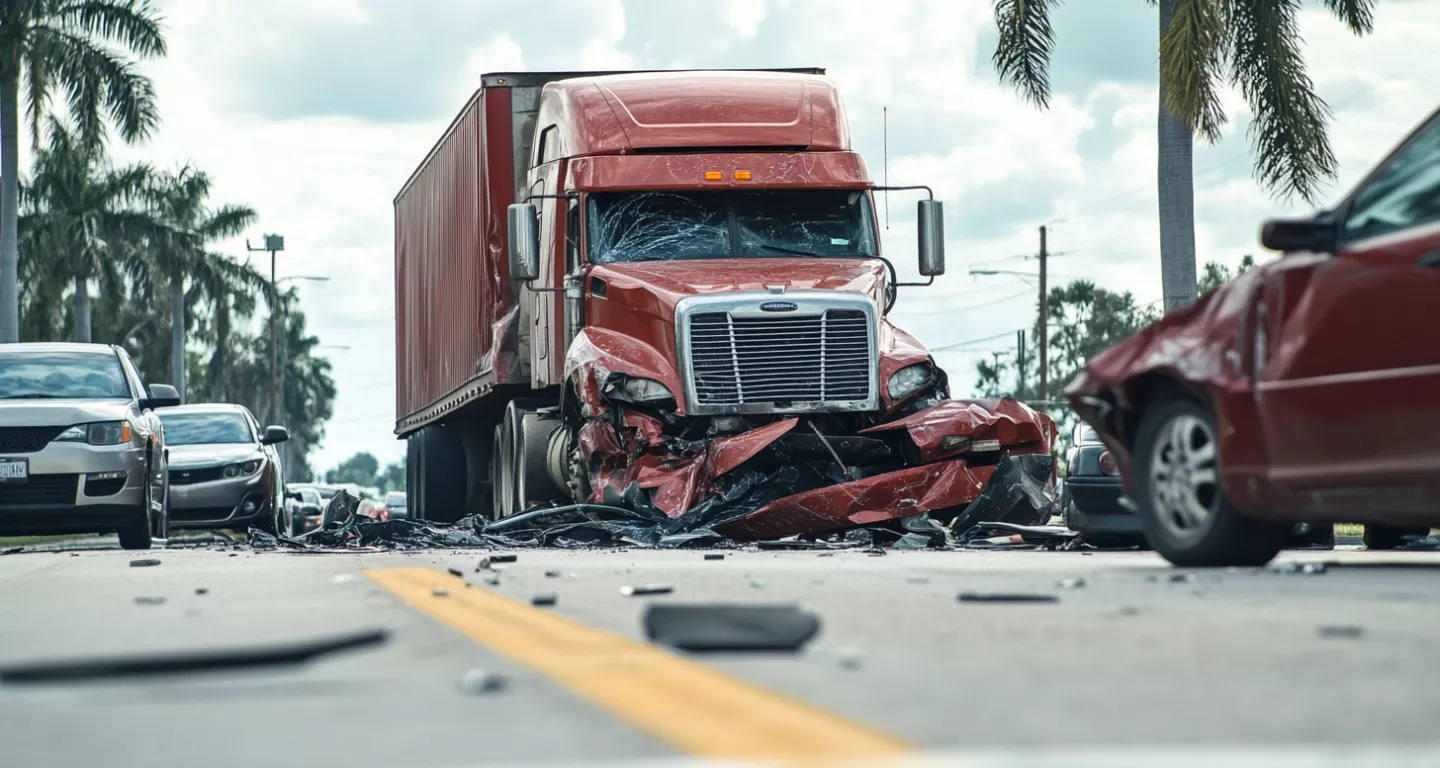
For accident victims in Fort Lauderdale, Broward County, and across South Florida, establishing liability is a critical step in pursuing a personal injury claim. Whether your accident involved a car, truck, or motorcycle collision, slip and fall, workplace incident, or pedestrian accident, proving who is legally responsible determines whether you can recover compensation for your injuries, medical bills, lost wages, and other damages.
Florida personal injury law requires victims to demonstrate that another party was negligent or legally responsible, and that this negligence directly caused the accident and resulting injuries. Liability is central to insurance negotiations, settlements, and litigation. Without clear proof, your claim may be undervalued or denied entirely.
This article explains how liability is established in Florida accident claims, the types of evidence required, common challenges, and strategies for ensuring a strong legal case.
Understanding Liability in Florida
Liability refers to legal responsibility for harm caused by one party to another. In personal injury claims, proving liability involves showing that the at-fault party:
- Owed a duty of care – A legal obligation to act reasonably to prevent harm.
- Breeched that duty – Failed to act as a reasonable person would in the same situation.
- Caused the accident – Directly resulted in injuries or damages.
- Resulted in measurable damages – Medical costs, lost wages, or other tangible harm.
Florida applies a comparative negligence standard, meaning a victim’s compensation may be reduced if they are partially at fault. Establishing the degree of fault is therefore critical in determining the total award.
Common Situations Requiring Liability Proof
1. Motor Vehicle Accidents
- Drivers must obey traffic laws and exercise reasonable care.
- Common examples of negligence include speeding, distracted driving, drunk driving, running red lights, and failure to yield.
- Liability often involves accident reconstruction, witness statements, and traffic citations to establish fault.
2. Slip and Fall Incidents
- Property owners must maintain safe premises for visitors.
- Negligence may involve wet floors, broken stairs, poor lighting, or unsecured hazards.
- Evidence may include photographs, maintenance logs, and eyewitness accounts.
3. Workplace Accidents
- Employers are responsible for providing a safe work environment under OSHA and Florida law.
- Negligence may arise from unsafe equipment, lack of safety training, or failure to follow regulations.
- Liability evidence can include incident reports, safety logs, and expert testimony.
4. Pedestrian and Bicycle Accidents
- Drivers must watch for pedestrians and cyclists and follow traffic laws.
- Liability may hinge on speed, traffic signals, visibility, or roadway conditions.
- Documentation from police reports, traffic cameras, and witness statements is essential.
5. Product Liability
- Manufacturers must produce safe, defect-free products.
- Negligence may involve design flaws, manufacturing defects, or inadequate warnings.
- Liability is established through product testing, expert analysis, and recall records.
Evidence Needed to Prove Liability
1. Accident Reports
- Police reports provide objective accounts of the incident, parties involved, citations, and officer observations.
- Workplace or property reports document hazards, prior complaints, and immediate actions taken.
2. Witness Statements
- Eyewitnesses provide independent verification of events and the behavior of parties involved.
- Statements should include names, contact information, and detailed accounts of what occurred.
3. Photographs and Videos
- Accident scene photos capture conditions, hazards, vehicle damage, skid marks, or obstacles.
- Surveillance footage from nearby businesses or traffic cameras can corroborate events.
4. Expert Testimony
- Accident reconstruction experts can demonstrate how the accident occurred and who is at fault.
- Medical experts link injuries to the accident, supporting causation and damages claims.
- Safety or engineering experts may be required for workplace or product liability claims.
5. Documentation of Past Conditions
- Maintenance records, inspection logs, or prior complaints show whether the at-fault party neglected a duty of care.
- For slip and fall claims, proof of known hazards or delayed repairs strengthens liability arguments.
6. Comparative Evidence
- Comparative negligence is often raised by insurance companies.
- Evidence of your reasonable behavior, adherence to traffic laws, or use of safety equipment can reduce perceived fault and preserve full compensation.
Challenges in Proving Liability
- Disputed Facts – Conflicting witness accounts or accident reports may make fault unclear.
- Delayed Documentation – Lack of immediate evidence weakens claims.
- Insurance Company Tactics – Adjusters may downplay injuries, suggest shared fault, or question credibility.
- Pre-Existing Conditions – Insurers may argue injuries were not caused by the accident.
- Complex Accidents – Multi-vehicle crashes or industrial incidents may require expert analysis.
Overcoming these challenges requires careful evidence collection and strategic legal guidance.
Steps to Establish Liability
1. Seek Prompt Medical Attention
- Medical records document the nature, severity, and causation of injuries.
- Timely care protects both your health and your legal claim.
2. Preserve the Accident Scene and Evidence
- Take photographs or videos of vehicles, property, and hazards.
- Avoid altering or discarding damaged property before documentation.
3. Gather Witness Information
- Collect full contact details and statements from anyone who observed the accident.
- Witnesses can corroborate facts and strengthen your claim.
4. Collect Official Documentation
- Obtain police reports, traffic citations, maintenance logs, and company incident reports.
- These documents provide objective support for liability claims.
5. Consult a Personal Injury Attorney
- An experienced Fort Lauderdale personal injury lawyer ensures all evidence is properly preserved, evaluated, and presented.
- Attorneys coordinate experts, prepare demand letters, negotiate with insurers, and prepare for trial if necessary.
Role of Attorneys in Proving Liability
Attorneys provide critical guidance in:
- Evidence Collection – Ensuring all documentation, photographs, and reports are secured.
- Expert Coordination – Accident reconstruction, medical causation, and economic impact experts strengthen liability proof.
- Negotiation Strategy – Attorneys use liability evidence to maximize settlements and counter insurance tactics.
- Litigation Preparation – If a settlement cannot be reached, attorneys prepare strong cases for trial, presenting evidence effectively to judges and juries.
Professional legal support significantly increases the likelihood of full and fair compensation.
Conclusion
Proving liability in Florida accident claims is the cornerstone of personal injury recovery for victims in Fort Lauderdale, Hollywood, Plantation, Davie, Sunrise, Coral Springs, and throughout Broward County. Establishing fault requires demonstrating that the at-fault party owed a duty of care, breached that duty, caused the accident, and resulted in damages.
Key elements include police reports, witness statements, photographs, medical documentation, expert testimony, and comparative evidence. Timely action, careful evidence preservation, and attorney guidance are essential to overcome challenges such as disputed facts, insurance tactics, or pre-existing conditions.
By understanding your rights, gathering comprehensive evidence, and working with an experienced personal injury attorney, South Florida accident victims can maximize recovery, protect their legal interests, and ensure that liability is accurately assigned, resulting in fair compensation for both economic and non-economic losses.