
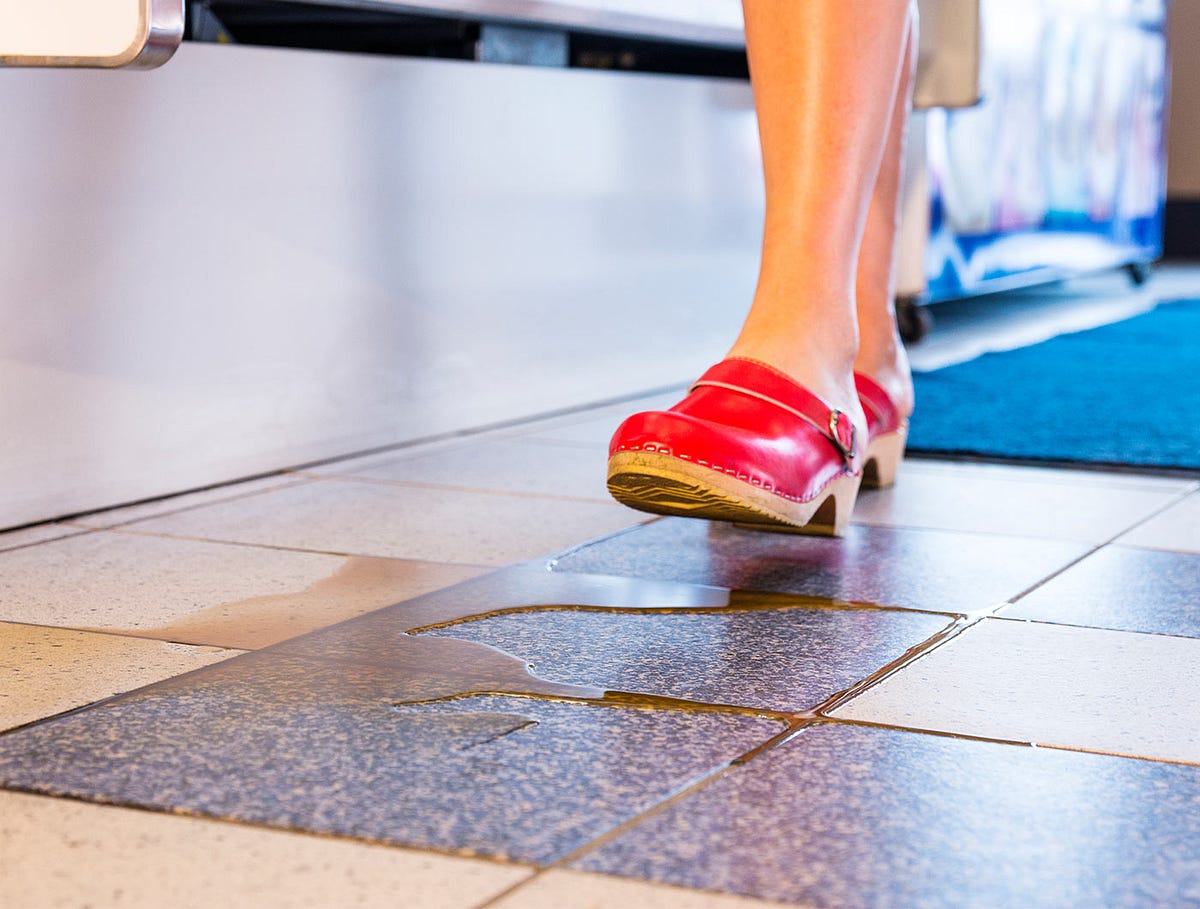
Davie Slip-and-Fall Cases: Notice Rules in Plain English
Slip-and-fall accidents can happen almost anywhere—from grocery stores and shopping centers to apartment complexes and office buildings. In Davie, Florida and throughout Broward County, these incidents often occur when property owners fail to address dangerous conditions such as wet floors, spills, uneven surfaces, or poor lighting.
While slip-and-fall accidents may seem straightforward, the legal rules that apply to these cases can be complicated. One of the most important legal concepts in Florida premises liability law is “notice.” Simply put, notice refers to whether the property owner knew—or should have known—about the dangerous condition that caused the fall.
Understanding notice rules can help accident victims better understand how slip-and-fall cases are evaluated and what evidence may be needed to pursue compensation.
What Is a Slip-and-Fall Accident?
A slip-and-fall accident occurs when a person loses their footing because of a hazardous condition on someone else’s property.
Common examples include:
-
wet floors
-
spilled liquids
-
loose flooring or tiles
-
poorly maintained staircases
-
debris or obstacles in walkways
These accidents frequently occur in locations such as grocery stores, restaurants, shopping centers, and apartment buildings.
In Davie and nearby cities like Fort Lauderdale, Plantation, and Sunrise, commercial properties with high foot traffic can present increased risks for slip-and-fall accidents.
Florida Premises Liability Law
Slip-and-fall cases are generally handled under premises liability law, which holds property owners responsible for maintaining safe conditions on their property.
Property owners have a legal duty to:
-
maintain reasonably safe premises
-
repair hazards within a reasonable time
-
warn visitors about dangerous conditions
However, property owners are not automatically responsible for every accident that occurs on their property.
To succeed in a slip-and-fall claim, an injured person must usually show that the property owner was negligent.
What Does “Notice” Mean?
In plain language, notice refers to whether the property owner was aware of the dangerous condition before the accident occurred.
There are two main types of notice in slip-and-fall cases:
-
Actual notice
-
Constructive notice
Understanding these concepts helps explain how liability is determined.
Actual Notice
Actual notice means the property owner or employees were directly aware of the hazard before the accident happened.
Examples may include:
-
an employee saw a spill but failed to clean it up
-
a customer reported a hazard to store staff
-
maintenance staff identified a dangerous condition earlier
If the property owner knew about the hazard and failed to address it, they may be held responsible for resulting injuries.
Constructive Notice
Constructive notice refers to situations where the property owner should have known about the hazard, even if they did not actually see it.
Florida law allows constructive notice to be proven when:
-
the dangerous condition existed long enough that the owner should have discovered it
-
the condition occurred regularly and was therefore foreseeable
For example, if a spill remains on the floor for an extended period of time without being cleaned, the property owner may be considered to have constructive notice.
Florida Slip-and-Fall Law for Businesses
Florida law specifically addresses slip-and-fall accidents occurring in businesses.
Under Florida Statutes §768.0755, a person injured by a transitory foreign substance in a business establishment must prove that the business had actual or constructive notice of the dangerous condition.
Examples of transitory substances include:
-
spilled drinks
-
food on the floor
-
water from leaking refrigerators
This rule makes notice a key issue in many slip-and-fall cases.
Evidence Used to Prove Notice
Because property owners may deny knowledge of a hazard, evidence often plays a critical role in slip-and-fall claims.
Several types of evidence may help establish notice.
Surveillance Video
Many businesses have security cameras that record activity inside stores or restaurants.
Video footage may show:
-
when a spill occurred
-
how long the hazard remained on the floor
-
whether employees walked past the hazard without addressing it
Surveillance footage can be extremely valuable in slip-and-fall cases.
Witness Statements
Witnesses who saw the accident or the hazardous condition may provide helpful information.
Witness testimony may confirm:
-
how long the hazard existed
-
whether employees were aware of the problem
Maintenance Records
Businesses often keep records of cleaning schedules and inspections.
These records may help determine whether the property owner regularly checked for hazards.
If inspections were infrequent or poorly documented, it may suggest negligence.
Photographs of the Scene
Photos taken shortly after the fall may capture:
-
the hazardous condition
-
the surrounding environment
-
the absence of warning signs
These images can help illustrate the circumstances that led to the accident.
Florida’s Comparative Negligence Rule
Florida follows a comparative negligence system, meaning that fault can be shared between multiple parties.
If the injured person is partially responsible for the accident, compensation may be reduced according to their percentage of fault.
For example, if damages total $100,000 but the victim is found 20 percent responsible, compensation may be reduced to $80,000.
Insurance companies sometimes argue that the injured person should have noticed the hazard.
Evidence showing that the hazard was difficult to see or existed for an extended time may help counter these arguments.
Injuries Common in Slip-and-Fall Accidents
Slip-and-fall accidents can result in serious injuries, especially for older adults.
Common injuries may include:
-
broken bones
-
head injuries
-
spinal injuries
-
soft tissue injuries
Medical providers throughout Broward County—including hospitals and clinics serving Davie, Fort Lauderdale, Plantation, and Sunrise—frequently treat these types of injuries.
Medical records documenting treatment often play a major role in personal injury claims.
Insurance Company Defenses
Insurance companies representing property owners often raise several defenses in slip-and-fall cases.
Common arguments may include:
-
the hazard appeared moments before the accident
-
the victim was not paying attention
-
warning signs were present
These arguments aim to reduce liability or deny compensation.
Strong evidence can help address these claims.
The Role of Personal Injury Lawyers
Personal injury lawyers often conduct detailed investigations when representing slip-and-fall victims.
Legal professionals may help by:
-
obtaining surveillance footage
-
reviewing maintenance records
-
interviewing witnesses
Attorneys understand how to gather evidence that demonstrates notice and negligence.
Protecting Your Rights After a Slip-and-Fall
Slip-and-fall accidents can lead to serious injuries and unexpected medical expenses. Understanding how notice rules work under Florida law can help accident victims better understand their legal options.
For individuals injured in Davie, documenting the accident scene and seeking legal guidance can help ensure that important evidence is preserved.
Speak With a Fort Lauderdale Personal Injury Lawyer Today
If you were injured in a slip-and-fall accident in Davie or anywhere in Broward County, you may have the right to pursue compensation for medical expenses, lost wages, and other damages.
An experienced personal injury lawyer can investigate the accident, determine whether the property owner had notice of the hazard, and help you pursue the compensation you deserve.
Most personal injury law firms offer free consultations and operate on a contingency fee basis, meaning you pay no upfront fees.
If you have questions about a Davie slip-and-fall claim, legal help is available 24/7 to help you move forward with confidence.