
Pembroke Pines Rear-End Crashes: Common Defenses Explained
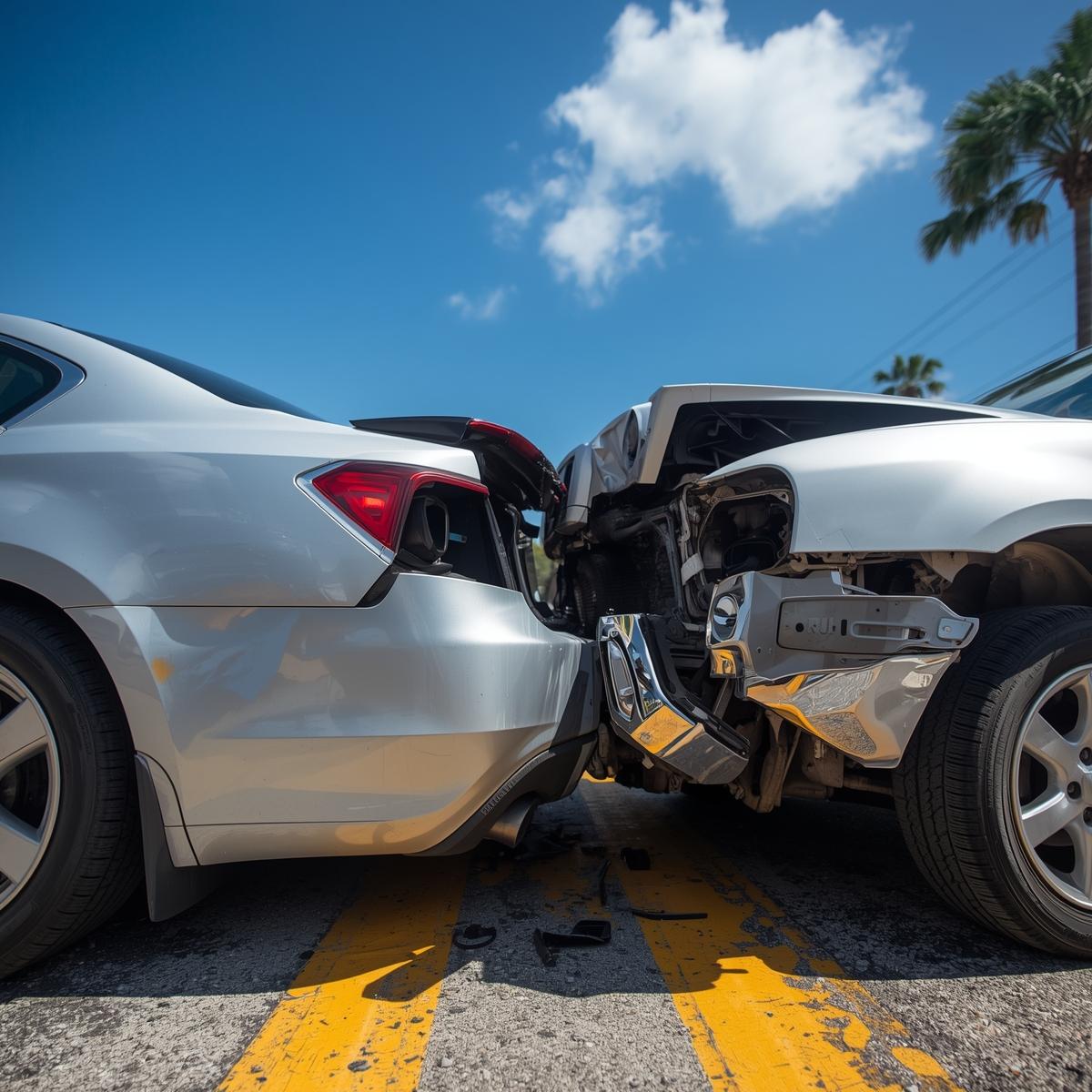
Rear-end crashes are among the most common types of car accidents in Florida, and they happen every day in busy areas like Pembroke Pines. At first glance, these crashes may seem straightforward: one driver hits another vehicle from behind, so the rear driver must be at fault, right?
Not always.
While Florida law often presumes that the rear driver is responsible, insurance companies and defense attorneys frequently challenge that assumption. They rely on a range of legal defenses to reduce liability, shift blame, or minimize settlement value.
If you’re pursuing a claim after a rear-end crash in Pembroke Pines, understanding these defenses can make a huge difference in how your case unfolds.
Let’s break down the most common defenses used in rear-end crash claims—and how accident victims and attorneys counter them effectively.
Why Rear-End Crashes Are Often Presumed the Rear Driver’s Fault
Under Florida traffic law, drivers must maintain a safe following distance. That means motorists are expected to:
- Stay far enough behind another vehicle to stop safely
- Pay attention to traffic flow
- Adjust for weather, traffic congestion, and road hazards
Because of this duty, courts often apply what is called the “rear-end presumption.”
What the Rear-End Presumption Means
In most situations:
- The rear driver is presumed negligent
- The front driver is presumed not at fault
This presumption helps accident victims avoid lengthy arguments about basic responsibility.
However, the presumption is not absolute.
Insurance companies frequently try to rebut the presumption using specific defenses.
Defense #1: Sudden Stop by the Front Driver
One of the most common defenses in rear-end crash cases is the “sudden stop” argument.
The rear driver may claim that the front driver stopped abruptly without warning, making the collision unavoidable.
When This Defense May Apply
Insurance companies may argue that the front driver:
- Slammed on the brakes unnecessarily
- Stopped suddenly in a travel lane
- Braked aggressively without a valid reason
For example:
- A driver brakes sharply while distracted
- A motorist stops unexpectedly in moving traffic
- A vehicle halts without signaling
If proven, the rear driver may claim the crash resulted from unexpected behavior rather than negligence.
Why This Defense Often Fails
In many cases, sudden stops are part of normal driving conditions.
Drivers must anticipate:
- Traffic congestion
- Pedestrians
- Changing traffic lights
- Vehicles slowing ahead
Because of this, courts frequently find that rear drivers should have maintained enough distance to react safely.
Defense #2: Mechanical Failure
Another defense sometimes raised in rear-end collision claims is mechanical failure.
The rear driver may argue that their vehicle malfunctioned immediately before the crash.
Examples include:
- Brake failure
- Steering malfunction
- Tire blowouts
If a driver claims a mechanical issue prevented them from stopping, they may argue the accident was unavoidable.
The Legal Standard for Mechanical Failure
To rely on this defense, the driver must usually prove:
- The malfunction occurred suddenly
- The problem was not foreseeable
- The driver properly maintained the vehicle
If maintenance records show neglected repairs or worn brakes, the defense may collapse quickly.
Defense #3: Comparative Fault
Florida follows a comparative negligence system, meaning fault can be divided among multiple parties.
In rear-end crash claims, insurance companies often argue that the front driver contributed to the accident.
Examples of alleged front-driver negligence include:
- Driving with broken brake lights
- Reversing unexpectedly
- Stopping in unsafe locations
- Cutting suddenly into traffic
If the front driver shares responsibility, their compensation may be reduced proportionally.
For example:
- Total damages: $100,000
- Victim found 20% responsible
Final recovery: $80,000
Insurance companies often push this argument aggressively because even small percentages of shared fault can significantly reduce payouts.
Defense #4: Chain-Reaction Collisions
Rear-end accidents sometimes involve multiple vehicles, creating complex liability disputes.
For example:
- Car A stops suddenly
- Car B rear-ends Car A
- Car C hits Car B from behind
Now the question becomes: Who actually caused the chain reaction?
Insurance companies may argue:
- The middle driver stopped too quickly
- The lead driver caused sudden traffic disruption
- Another driver initiated the collision sequence
Determining fault in these cases often requires detailed investigation involving:
- Crash reconstruction
- Vehicle damage analysis
- Skid mark evaluation
- Event data recorders
Without clear evidence, liability disputes can become complicated quickly.
Defense #5: Pre-Existing Injuries
Even when liability is clear, insurers frequently challenge injury claims.
A common tactic is arguing that the victim’s injuries did not result from the accident.
Instead, they may claim:
- The injuries existed before the crash
- The condition was degenerative
- Symptoms were unrelated to the collision
This defense appears frequently in cases involving:
- Neck injuries
- Back injuries
- Herniated discs
- Soft tissue trauma
Insurance companies may review years of medical records searching for prior complaints.
Defense #6: Low-Impact Collision Arguments
Some rear-end crashes involve minor property damage, which insurers use to argue that serious injuries are unlikely.
This strategy is often called the “low-impact defense.”
Insurance companies may claim:
- Vehicle damage was minimal
- Forces involved were too small to cause injury
- Medical treatment is exaggerated
However, medical research shows that even low-speed crashes can produce significant injuries, particularly:
- Whiplash
- Ligament damage
- Disc injuries
The severity of injury does not always correlate with visible vehicle damage.
Defense #7: Disputing Medical Treatment
Insurance companies also examine how quickly and consistently victims seek medical care.
If there are gaps in treatment, they may argue:
- The injury was not serious
- The condition improved quickly
- Later symptoms were unrelated
Common challenges include:
- Delays in seeing a doctor
- Missed follow-up appointments
- Gaps between therapy sessions
This is why medical documentation and consistent treatment are so critical in injury claims.
Evidence That Counters Rear-End Crash Defenses
Strong evidence can quickly dismantle many of the defenses discussed above.
Important evidence in rear-end crash cases often includes:
Police Reports
Crash reports may document:
- Driver statements
- Road conditions
- Traffic violations
These reports often establish an early framework for liability.
Vehicle Damage Analysis
The location and severity of damage can show:
- Impact angles
- Collision speed
- Crash sequence
Experts sometimes reconstruct accidents using this information.
Surveillance Footage
Traffic cameras, dash cams, and security cameras can provide objective evidence of how the crash occurred.
Video evidence often eliminates disputes about sudden stops or lane changes.
Electronic Data Recorders
Many modern vehicles contain event data recorders, sometimes called “black boxes.”
These devices may capture:
- Vehicle speed
- Brake application
- Steering input
Data collected seconds before impact can reveal exactly what happened.
Why Insurance Companies Fight Rear-End Crash Claims
If rear-end drivers are often presumed at fault, why do insurers still fight these claims so aggressively?
The answer is simple: financial exposure.
Rear-end collisions frequently cause injuries such as:
- Whiplash
- Herniated discs
- Concussions
- Chronic neck or back pain
Medical treatment, therapy, and lost wages can produce significant financial damages.
Insurance companies attempt to reduce these costs by:
- Challenging liability
- Disputing injuries
- Limiting treatment reimbursement
Understanding these strategies helps accident victims prepare for the claims process more effectively.
Practical Steps for Rear-End Crash Victims
If you’re involved in a rear-end crash in Pembroke Pines, a few early actions can strengthen your case.
Seek Medical Evaluation
Even if injuries seem minor, prompt medical evaluation creates important documentation linking injuries to the crash.
Document the Scene
Photos of the accident scene can capture:
- Vehicle positions
- Damage patterns
- Traffic conditions
These details may later become critical evidence.
Preserve Evidence
Important evidence can disappear quickly.
Examples include:
- Surveillance footage
- vehicle data recordings
- witness recollections
Prompt investigation helps ensure this information is preserved.
Be Careful with Insurance Statements
Insurance adjusters often request recorded statements early in the claims process.
Providing detailed statements without legal guidance can sometimes create inconsistencies or misunderstandings that insurers later exploit.
The Bottom Line on Rear-End Crash Defenses
Rear-end collisions may seem simple, but legal claims are rarely that straightforward.
Insurance companies frequently rely on defenses such as:
- Sudden stop arguments
- Mechanical failure claims
- Comparative negligence
- Chain-reaction liability disputes
- Low-impact injury challenges
Understanding these strategies helps accident victims anticipate how insurers may approach their claim.
Strong evidence, consistent medical documentation, and careful claim handling are often the keys to overcoming these defenses and pursuing fair compensation.
Rear-end crashes happen in seconds—but the legal and financial consequences can last far longer. Knowing how these cases are defended is often the first step toward protecting your rights and your recovery.