
Pembroke Pines Intersection Crashes: Right-of-Way Proof Tips
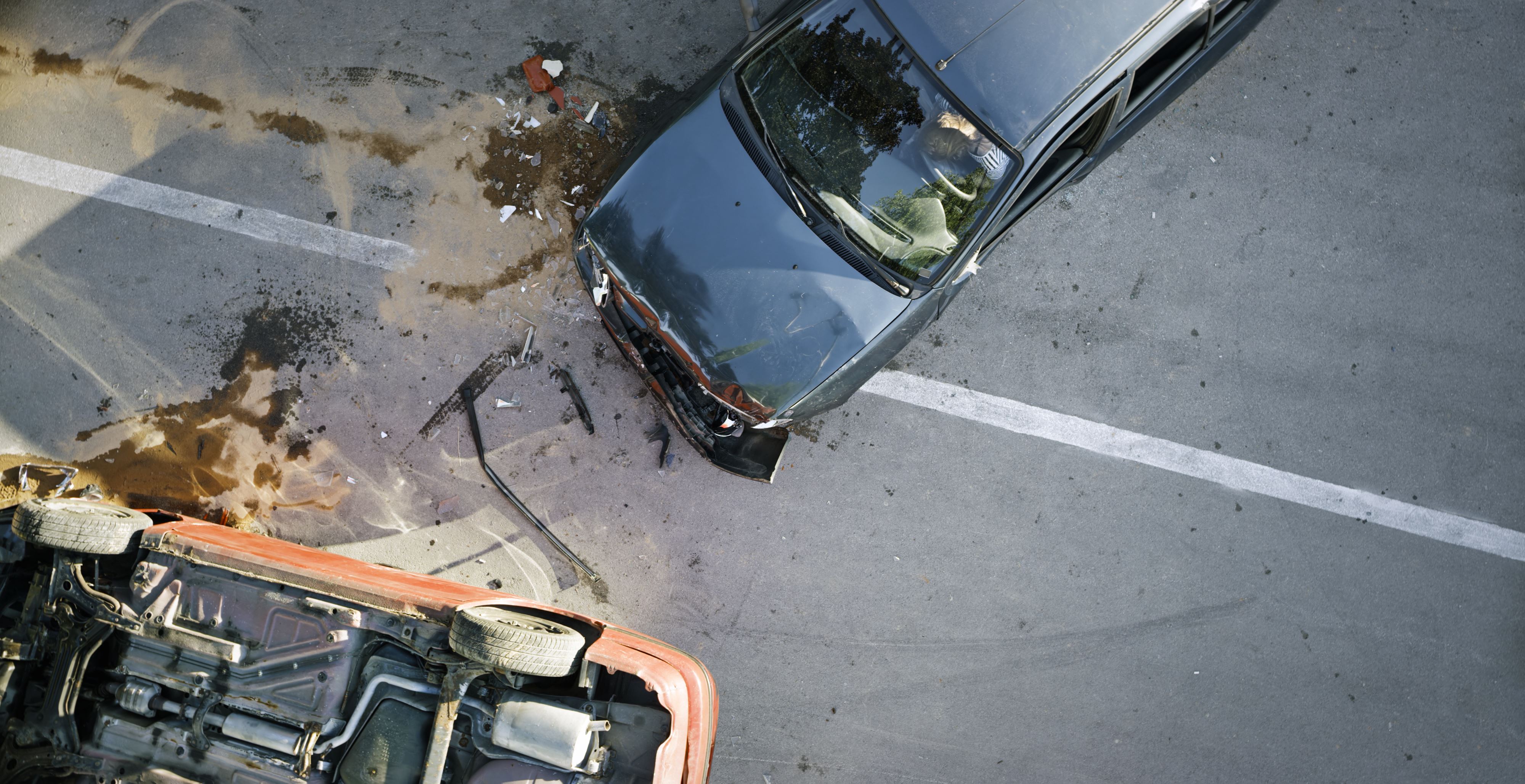
Intersection crashes are among the most disputed accident claims in Pembroke Pines and throughout South Florida. Unlike rear-end crashes, where fault is often presumed, intersection accidents usually involve competing stories about who had the right-of-way.
One driver says the light was green.
The other claims they entered the intersection first.
Without clear proof, insurance companies often delay settlements or attempt to split blame between drivers. And under Florida’s comparative fault rules, even a small percentage of blame can reduce compensation.
So how do injury victims actually prove who had the right-of-way?
The answer usually comes down to evidence gathered immediately after the crash and during the investigation.
Let’s break down the key legal concepts, the types of proof that matter most, and practical steps that help accident victims protect their claims.
Why Intersection Accidents Are So Heavily Disputed
Intersections involve multiple traffic movements happening at once:
- Left turns
- Right turns
- Vehicles traveling straight
- Pedestrians crossing
- Drivers entering from several directions
Because of this complexity, crashes at intersections often occur in situations like:
- Left-turn collisions
- Red-light violations
- Failure to yield
- Rolling stops at stop signs
- Drivers rushing through yellow lights
Insurance companies frequently argue that both drivers share responsibility, especially when there are no independent witnesses.
But strong evidence can often show exactly who had the legal right-of-way.
Understanding Right-of-Way Rules in Florida
Before proving right-of-way, it’s important to understand how Florida law defines it.
Right-of-way rules determine which driver must yield and which driver has priority in traffic situations.
Common right-of-way rules include:
Green Light Priority
Drivers facing a green light generally have the right-of-way.
However, they must still exercise reasonable caution. A driver cannot simply accelerate blindly into an intersection.
Left Turn Yield Rule
A driver making a left turn must usually yield to oncoming traffic traveling straight through the intersection.
This rule applies even when the turning driver has a green light but no protected arrow.
Stop Sign Priority
At a four-way stop:
- The driver who arrives first has the right-of-way
- If two vehicles arrive simultaneously, the driver on the right side proceeds first
Yield Sign Obligations
Drivers facing a yield sign must slow and allow cross-traffic to pass before entering the intersection.
Failure to do so often leads to clear liability in crash claims.
Tip #1: Surveillance Footage Can Be Game-Changing
One of the most powerful pieces of evidence in intersection crashes is video footage.
Video eliminates guesswork and can clearly show:
- Which driver entered first
- Whether a light was red or green
- The speed of vehicles
- Driver behavior before impact
Sources of surveillance footage may include:
- City traffic cameras
- Nearby businesses
- Residential security systems
- Dash cameras from other vehicles
In many cases, this footage is only stored for a limited time. That means it must be requested quickly before it is deleted.
Attorneys and investigators often send evidence preservation letters to ensure the footage remains available.
Tip #2: Police Crash Reports Provide Early Clues
After a serious crash, law enforcement officers typically prepare an official crash report.
While these reports do not always determine legal fault, they often include valuable details such as:
- Driver statements
- Witness contact information
- Observations about traffic signals
- Citations issued at the scene
If an officer issues a traffic citation for:
- Running a red light
- Failure to yield
- Improper left turn
that citation may support the argument that the driver violated right-of-way rules.
However, police reports are only one piece of the puzzle.
Insurance companies sometimes challenge them if other evidence suggests a different version of events.
Tip #3: Witness Testimony Strengthens Right-of-Way Claims
Independent witnesses often provide critical support in intersection accident cases.
Unlike drivers involved in the crash, witnesses have no personal stake in the outcome, which can make their statements more credible.
Witnesses may confirm:
- The color of the traffic signal
- Whether a driver ran a red light
- Which vehicle entered the intersection first
- Dangerous driving behavior
Witness statements collected immediately after a crash tend to be more reliable than those gathered months later.
That’s why identifying witnesses at the scene can be extremely valuable.
Tip #4: Vehicle Damage Patterns Tell a Story
The location and pattern of vehicle damage can reveal how the collision occurred.
For example:
T-Bone Collisions
Side-impact crashes often occur when:
- One driver runs a red light
- A driver fails to yield while turning
Damage to the side of one vehicle and front of another may support this scenario.
Front-Corner Impacts
Corner damage sometimes indicates that a driver was turning across traffic.
This may suggest that the turning driver failed to yield.
Rear-Quarter Damage
Rear-quarter damage can show that a vehicle had almost cleared the intersection before being struck.
Accident reconstruction experts frequently analyze these patterns to determine who likely had the right-of-way.
Tip #5: Skid Marks and Road Evidence Matter
Physical evidence at the scene often helps investigators reconstruct intersection crashes.
Examples include:
- Skid marks
- Debris fields
- Tire impressions
- Fluid spills
These details can reveal:
- Vehicle speed
- Direction of travel
- Braking attempts
For instance, long skid marks may indicate that a driver attempted to stop suddenly after noticing cross-traffic.
This type of evidence often supports expert reconstruction analysis.
Tip #6: Event Data Recorders Provide Technical Evidence
Modern vehicles often contain event data recorders (EDRs), sometimes called vehicle “black boxes.”
These systems may capture information in the seconds before a crash, including:
- Vehicle speed
- Brake usage
- Steering inputs
- Acceleration patterns
When available, this data can confirm whether a driver:
- Attempted to stop
- Accelerated through a red light
- Entered the intersection at high speed
This technical data is often used alongside other evidence to create a complete crash timeline.
Tip #7: Timing of Traffic Lights Can Be Analyzed
Traffic signal timing can also become important evidence.
Engineers can examine signal timing data to determine:
- How long the yellow light lasted
- When the signal turned red
- Whether both directions had conflicting green signals
Sometimes drivers claim they entered on a yellow light, but timing analysis shows they actually entered after the light turned red.
This type of analysis can be especially useful when video footage is unavailable.
Tip #8: Driver Statements Can Affect Liability
Statements made immediately after a crash can play a major role in determining fault.
Drivers sometimes make admissions like:
- “I didn’t see the light change.”
- “I thought I could make it through.”
- “I didn’t notice the other car.”
These statements may appear in:
- Police reports
- insurance recordings
- witness recollections
Insurance companies often analyze these comments carefully when evaluating right-of-way disputes.
Tip #9: Accident Reconstruction Experts
In serious injury cases, accident reconstruction experts may analyze multiple forms of evidence.
These specialists evaluate:
- Vehicle damage
- Roadway measurements
- surveillance footage
- electronic data
Using computer modeling and engineering principles, they recreate how the collision likely occurred.
Their findings often help clarify complex disputes about:
- Right-of-way
- vehicle speed
- driver reaction time
Expert testimony can become especially important when both drivers provide conflicting accounts.
Why Insurance Companies Challenge Right-of-Way
Intersection crash claims can involve significant financial exposure.
Serious injuries from these accidents often include:
- Head trauma
- spinal injuries
- broken bones
- internal injuries
Because of these potential damages, insurers frequently attempt to shift partial blame onto the injured driver.
Under Florida’s comparative negligence system, if a victim is found partly responsible, their compensation may be reduced.
Example:
- Total damages: $150,000
- Victim found 25% responsible
Final recovery: $112,500
This is why proving right-of-way clearly can have a major financial impact.
Practical Steps After an Intersection Crash
The actions taken after a crash can significantly affect the strength of a future claim.
Call Law Enforcement
An official police report creates an early record of the incident and may document potential traffic violations.
Photograph the Scene
Photos can capture important details such as:
- Traffic signals
- road signs
- vehicle positions
- damage patterns
Identify Witnesses
If anyone saw the crash, collect their contact information before leaving the scene.
Seek Medical Care
Even if injuries seem minor, medical documentation creates an important connection between the accident and later symptoms.
Preserve Evidence
Video footage and electronic vehicle data can disappear quickly if not preserved.
Prompt investigation often makes a major difference.
The Bottom Line on Right-of-Way Proof
Intersection crashes often turn into complex liability disputes, especially when drivers provide conflicting stories.
Proving right-of-way usually requires a combination of evidence, including:
- Surveillance footage
- witness statements
- police reports
- vehicle damage analysis
- crash reconstruction
When these pieces come together, they can reveal exactly how the collision occurred and who violated traffic rules.
Intersection accidents may happen in seconds, but determining fault often requires careful investigation and detailed evidence.
For accident victims in Pembroke Pines, understanding how right-of-way is proven can make a significant difference in protecting a claim and pursuing fair compensation.