
Pembroke Pines Pedestrian Injuries: Crosswalk Rights Explained
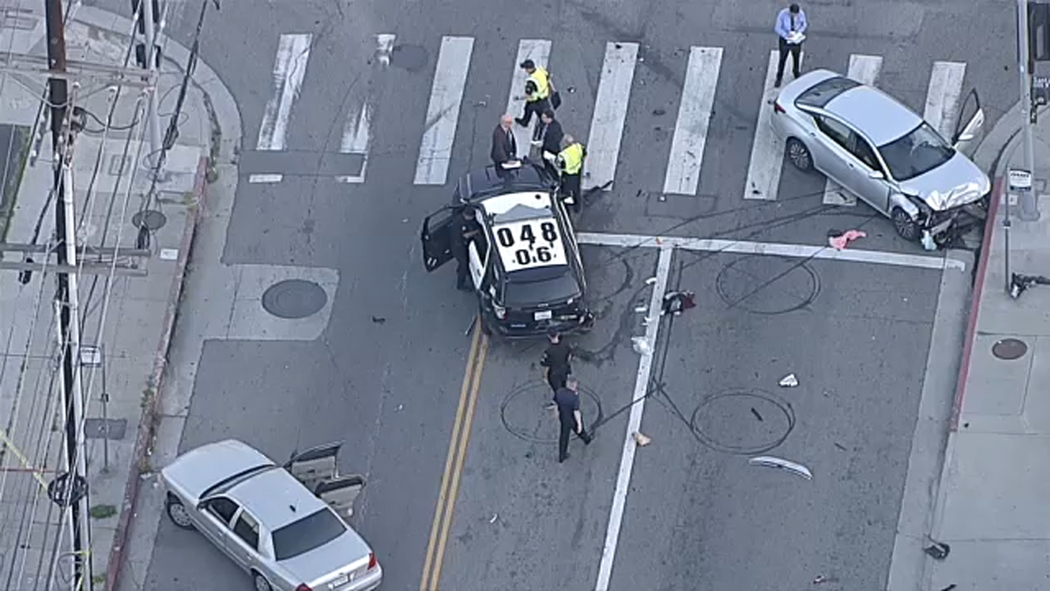
Pedestrian accidents are an all-too-common hazard in Pembroke Pines. With busy streets, shopping centers, and school zones, pedestrians face real risks — and when injuries occur, understanding crosswalk rights and liability rules is crucial for pursuing compensation.
Florida law provides clear guidance on pedestrian rights, but insurance companies often try to minimize payouts by claiming shared fault or arguing pedestrians weren’t visible. This makes knowledge of your legal protections essential.
This guide breaks down crosswalk rules, common causes of pedestrian injuries, types of evidence that support claims, and practical steps for victims.
Florida Pedestrian Crosswalk Laws
Florida statutes distinguish between marked and unmarked crosswalks and establish rules for both drivers and pedestrians.
Marked Crosswalks
A marked crosswalk is clearly painted on the roadway. Key rules:
- Drivers must yield the right-of-way to pedestrians in marked crosswalks.
- Pedestrians have priority, but must enter crosswalk cautiously.
- Vehicles must stop fully if a pedestrian is in the crosswalk.
Failure to yield can result in a traffic citation and strengthen a personal injury claim.
Unmarked Crosswalks
Unmarked crosswalks exist at intersections even if lines aren’t painted. Florida law treats intersections as crosswalks by default. Drivers must:
- Yield to pedestrians at intersections
- Slow down and exercise reasonable care when visibility is limited
Pedestrian Responsibilities
While drivers have a duty to yield, pedestrians must also:
- Cross at intersections when possible
- Avoid entering the street suddenly or from between parked cars
- Obey pedestrian traffic signals
Failure to exercise reasonable care may reduce recovery under Florida’s comparative negligence rules.
Common Causes of Crosswalk Injuries
Pedestrian accidents often occur due to a combination of driver negligence and environmental factors. Common causes include:
1. Failure to Yield
Even at marked crosswalks, some drivers:
- Ignore stop signs or signals
- Try to beat traffic lights
- Fail to notice pedestrians
2. Distracted or Impaired Driving
- Texting, talking on the phone, or adjusting the radio
- Driving under the influence of alcohol or drugs
These distractions increase the risk of striking a pedestrian in a crosswalk.
3. Speeding
Excessive speed reduces reaction time and increases injury severity. Even if the pedestrian is partially at fault, the driver’s speed is a major factor in liability.
4. Poor Visibility
Pedestrians crossing at night or in inclement weather may be harder to see. Drivers have a duty to adjust speed and exercise caution under low visibility conditions.
5. Unsafe Road Design
Some accidents are influenced by:
- Poorly marked crosswalks
- Obstructed views due to parked cars or landscaping
- Lack of pedestrian signals at busy intersections
These factors can contribute to liability and strengthen a claim if proven.
Evidence That Supports Pedestrian Claims
Proving negligence and crosswalk rights requires well-documented evidence. Key types include:
1. Police Reports
- Officers document the scene, citations, and witness statements
- Reports may indicate whether the driver failed to yield
- Can include diagrams of the accident scene
2. Witness Statements
Eyewitnesses are critical, especially for:
- Driver behavior before impact
- Pedestrian location in the crosswalk
- Speed or direction of the vehicle
Witnesses can include other pedestrians, nearby drivers, or bicyclists.
3. Photographs and Video
Visual evidence can show:
- Crosswalk markings
- Road conditions
- Vehicle positions and damage
- Pedestrian injuries
Surveillance cameras from nearby businesses or dashcams can be especially valuable.
4. Medical Records
- Emergency room visits, surgeries, and therapy notes demonstrate injury severity
- Long-term care or rehabilitation records show ongoing impact
- Medical evidence links injuries directly to the crash
5. Accident Reconstruction
Experts can analyze:
- Vehicle speed and braking
- Angle of impact
- Skid marks and debris
- Pedestrian location relative to crosswalk
Reconstruction helps clarify who had the right-of-way and strengthens claims against disputing drivers.
Understanding Comparative Fault in Florida
Florida follows pure comparative negligence, meaning damages can be reduced if the pedestrian is partly at fault.
Examples:
- Pedestrian crossing against a “Don’t Walk” signal: 20% at fault ? damages reduced by 20%
- Driver speeding through a crosswalk: 80% fault ? pedestrian still recovers 80% of total damages
Strong evidence of the driver’s negligence usually minimizes the impact of pedestrian fault claims.
Types of Compensation in Pedestrian Cases
Pedestrian victims may pursue damages for:
1. Medical Expenses
- Emergency care, surgeries, and hospitalization
- Ongoing physical therapy or rehabilitation
- Future medical care for permanent injuries
2. Lost Wages
- Time missed from work
- Reduced earning capacity if injuries limit career opportunities
3. Pain and Suffering
- Physical pain, emotional distress, and trauma
- Loss of enjoyment of life
4. Property Damage
- Damaged clothing, personal items, or mobility devices
- Sometimes includes repairs to assistive devices like wheelchairs
5. Punitive Damages
In cases of gross negligence, such as intoxicated driving or extreme speeding, Florida law may allow punitive damages to punish the driver and deter future misconduct.
Insurance Considerations
Insurance coverage is essential for compensation:
- Liability insurance of the at-fault driver covers pedestrian injuries
- Uninsured/underinsured motorist coverage protects victims if the driver has insufficient or no insurance
- Personal injury protection (PIP) under Florida no-fault law may cover initial medical expenses
Early reporting to insurance companies is crucial to secure coverage and protect evidence.
Steps Pedestrians Should Take After a Crash
1. Seek Medical Attention Immediately
Even minor injuries should be documented to ensure full compensation.
2. Report the Accident
- Contact law enforcement to create an official record
- Obtain the police report number for insurance claims
3. Collect Evidence
- Photos of the scene, vehicle, and injuries
- Witness contacts
- Crosswalk markings and traffic signals
4. Preserve Video Footage
- Request surveillance footage from nearby businesses or traffic cameras
- Dashcam recordings from other vehicles may also capture the incident
5. Consult a Personal Injury Attorney
Legal guidance ensures evidence is collected properly and claims are filed before Florida’s statute of limitations expires.
Why Legal Representation Matters
Pedestrian accident claims can be complex due to:
- Multiple parties involved (drivers, municipalities, insurers)
- Disputes over fault and crosswalk rights
- Severe injuries requiring long-term care
An attorney can help:
- Investigate the scene thoroughly
- Gather medical and expert evidence
- Negotiate with insurance companies
- File lawsuits if needed to maximize recovery
Crosswalk Safety Tips for Pedestrians
While drivers have a legal duty to yield, pedestrians can reduce risk by:
- Using marked crosswalks whenever possible
- Obeying pedestrian signals
- Making eye contact with drivers before crossing
- Wearing visible clothing at night
- Avoiding distractions such as phones or headphones
These practices also strengthen claims by demonstrating reasonable care if an accident occurs.
Bottom Line
Crosswalk accidents in Pembroke Pines often lead to serious injuries and complex civil claims. Florida law generally favors pedestrians in marked and unmarked crosswalks, but insurance companies may challenge claims by citing comparative fault or disputing visibility and behavior.
Successful pedestrian injury claims require:
- Strong documentation of the accident and injuries
- Police reports and witness testimony
- Photographs, surveillance, and dashcam footage
- Expert accident reconstruction in disputed cases
Understanding crosswalk rights and taking immediate action after an accident helps victims protect their claims, secure compensation, and recover from the physical and financial impact of a pedestrian crash.
By knowing the law and preserving evidence, pedestrians in Pembroke Pines can assert their rights and hold negligent drivers accountable.