
Pembroke Pines Bicycle Collisions: Liability and Damages
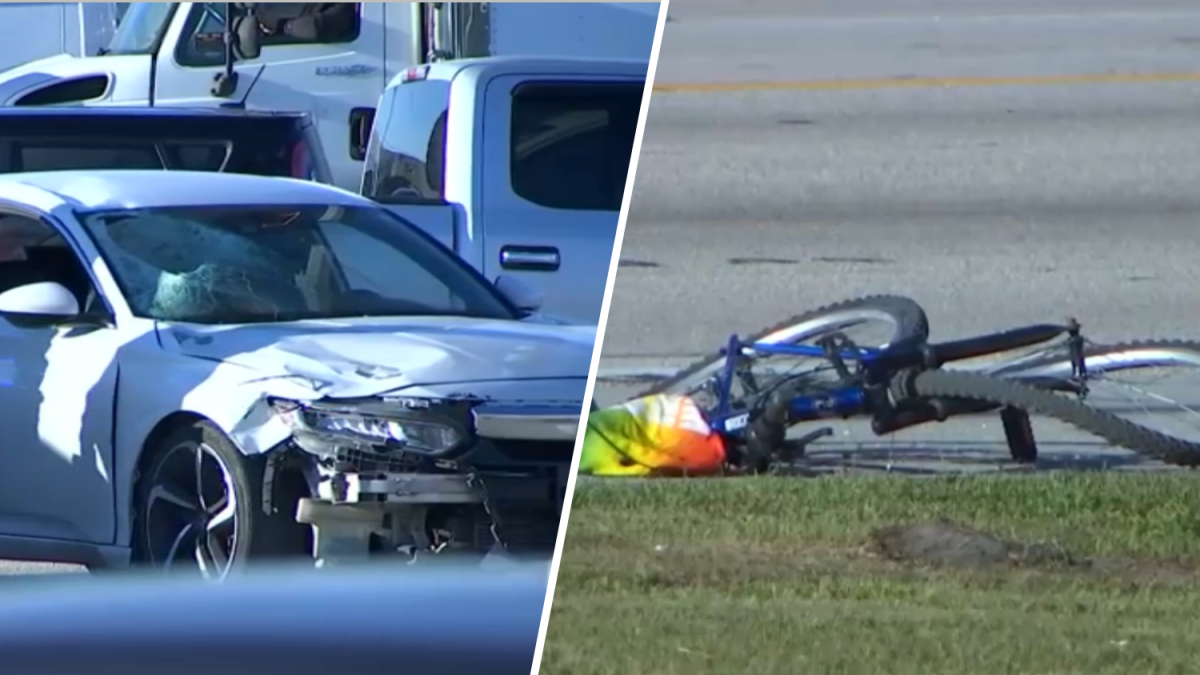
Bicycle accidents in Pembroke Pines can result in serious injuries, medical bills, and long-term consequences for victims. Unlike car crashes, bicycle collisions often involve vulnerable riders facing vehicles that weigh thousands of pounds, making liability and damages issues particularly complex.
Understanding how fault is determined and what compensation victims may pursue is critical for anyone involved in a bicycle collision. With careful documentation and legal guidance, victims can maximize their recovery and hold negligent parties accountable.
Common Causes of Bicycle Collisions
Bicycle accidents can occur under many circumstances. Common causes in Pembroke Pines include:
1. Driver Negligence
- Failing to yield at intersections or crosswalks
- Opening car doors into bike lanes (dooring)
- Distracted driving (texting, phone calls, adjusting controls)
- Speeding through residential streets or near schools
2. Bicycle Operator Error
- Running stop signs or red lights
- Riding against traffic or without proper lighting
- Unsafe lane changes or sudden maneuvers
3. Poor Road Conditions
- Potholes, uneven pavement, or debris
- Poorly marked bike lanes
- Obstructed views due to parked cars or vegetation
4. Reckless Behavior
- Intoxicated drivers or cyclists
- Aggressive maneuvers by motorists or riders
In many cases, both parties may share fault, which is addressed under Florida’s comparative negligence system.
Determining Liability in Bicycle Collisions
Florida law holds drivers and cyclists accountable for their actions under the principle of negligence. To establish liability, a plaintiff must demonstrate:
- Duty of Care: Drivers must operate vehicles safely, and cyclists must follow traffic laws.
- Breach of Duty: Proving the driver or cyclist failed to exercise reasonable care.
- Causation: The breach directly caused the accident and injuries.
- Damages: The accident resulted in measurable harm, such as medical expenses or lost income.
Liability in bicycle collisions is often influenced by:
- Traffic citations issued at the scene
- Witness statements regarding the crash
- Accident reconstruction showing vehicle and bicycle movements
- Surveillance or dashcam footage capturing the collision
Evidence to Support a Bicycle Accident Claim
The strength of a bicycle collision claim depends on careful evidence collection:
1. Police Reports
Police officers document:
- Vehicle positions
- Driver and cyclist statements
- Traffic citations issued
- Road and weather conditions
A citation for failure to yield or reckless driving can support liability claims.
2. Photographs and Video
Visual documentation helps establish:
- Damage to the bicycle and vehicles
- Location of debris and skid marks
- Traffic signs, signals, or crosswalk markings
- Injuries sustained by the cyclist
Traffic cameras, business surveillance, or dashcams are particularly helpful.
3. Witness Testimony
Eyewitnesses can confirm:
- Which party had the right-of-way
- Driver or cyclist behavior leading up to the crash
- Visibility conditions and road hazards
Reliable witnesses strengthen both insurance claims and potential lawsuits.
4. Accident Reconstruction
Experts may analyze:
- Vehicle and bicycle speed
- Angle and impact points
- Skid marks and stopping distances
Reconstruction provides a clear picture of how the collision occurred, helping to establish liability.
5. Medical Records
Comprehensive medical documentation includes:
- Emergency treatment and hospital visits
- Diagnostic tests and imaging
- Rehabilitation and therapy
- Long-term or permanent injury assessments
Medical evidence is crucial for calculating damages and linking injuries to the collision.
Comparative Negligence in Bicycle Accidents
Florida uses a pure comparative negligence system, which reduces recovery based on the plaintiff’s share of fault. For example:
- Cyclist running a stop sign: 30% at fault
- Driver failing to yield: 70% at fault
If total damages are $50,000, the cyclist would recover $35,000 after reduction. Proper evidence and legal strategy are key to minimizing assigned fault.
Types of Damages in Bicycle Collision Cases
Bicycle accident victims may pursue economic and non-economic damages:
1. Medical Expenses
- Emergency treatment, surgery, and hospital bills
- Ongoing therapy or rehabilitation
- Assistive devices (wheelchairs, braces, prosthetics)
2. Lost Income and Future Earnings
- Wages lost during recovery
- Reduced earning capacity due to permanent injuries
3. Pain and Suffering
- Physical pain, mental anguish, and lifestyle limitations
- Emotional distress from long-term injury or trauma
4. Property Damage
- Bicycle repair or replacement
- Damaged gear, helmets, or personal items
5. Punitive Damages
In cases of gross negligence or reckless driving, such as intoxication, victims may pursue punitive damages to punish the wrongdoer and deter future misconduct.
Insurance Considerations
Insurance plays a significant role in recovering damages:
Liability Coverage
- The at-fault driver’s liability insurance usually covers medical bills, property damage, and certain non-economic damages.
Uninsured/Underinsured Motorist Coverage
- Protects the cyclist if the at-fault driver lacks insurance or has insufficient coverage.
Personal Injury Protection (PIP)
- Florida’s no-fault system may provide initial coverage for medical bills, even in bicycle collisions.
Insurance limits can be a critical factor, particularly when injuries are severe. Victims may need legal action to pursue full compensation beyond policy caps.
Steps to Take After a Bicycle Collision
1. Seek Medical Care Immediately
- Prompt evaluation documents injuries and supports claims for damages.
2. Report the Accident
- File a police report to create an official record of the collision.
3. Collect Evidence
- Take photos of vehicles, bicycles, road conditions, and injuries.
- Gather witness contact information.
- Preserve any surveillance or dashcam footage.
4. Notify Insurance Companies
- Report the incident while avoiding admissions of fault.
5. Consult a Personal Injury Attorney
- Experienced attorneys help gather evidence, handle insurance negotiations, and pursue civil litigation if necessary.
Legal Challenges in Bicycle Collision Cases
- Disputed liability: Drivers or insurers may claim the cyclist caused the accident.
- Comparative negligence disputes: Insurers may argue shared fault to reduce payouts.
- Severity of injuries: Long-term rehabilitation can complicate calculations of damages.
- Insurance coverage limits: Low policy limits may require legal action to recover full compensation.
Proper evidence collection and legal strategy help overcome these challenges.
Preventing Bicycle Accidents
While liability rests with negligent parties, cyclists can reduce risk by:
- Using bike lanes and marked crossings whenever possible
- Obeying traffic laws, signals, and stop signs
- Wearing helmets and reflective clothing
- Using lights during night rides or low visibility
- Avoiding distractions like phones or headphones
Safe practices also strengthen claims by showing that the cyclist exercised reasonable care.
Bottom Line
Bicycle collisions in Pembroke Pines can result in serious injuries, property damage, and financial hardship. Liability typically hinges on driver negligence, adherence to traffic laws, and the circumstances of the crash.
Successful claims require:
- Police reports documenting the accident
- Photographic and video evidence
- Witness statements
- Accident reconstruction and expert testimony
- Comprehensive medical records
Florida’s comparative negligence system may reduce recovery if the cyclist shares fault, making thorough evidence collection and legal guidance essential.
With proper documentation and advocacy, bicycle accident victims can secure compensation for medical bills, lost income, pain and suffering, and property damage, holding negligent drivers accountable for their actions.
This approach not only aids recovery but also promotes safer streets for cyclists in Pembroke Pines.