
Pembroke Pines Hit-and-Run Injuries: Coverage Options
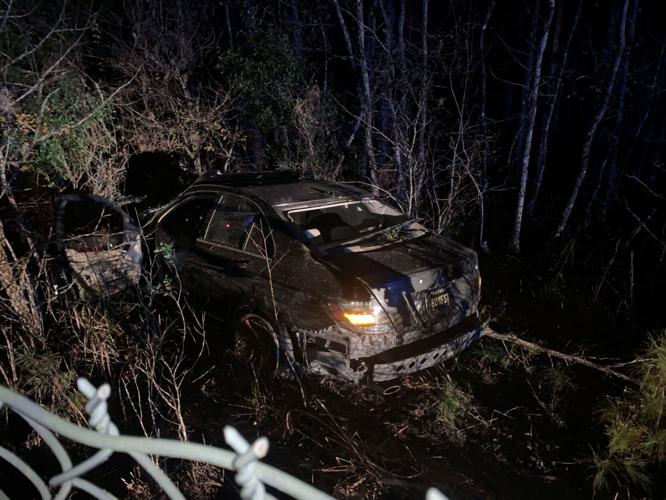
Hit-and-run accidents are particularly stressful for victims in Pembroke Pines. Unlike typical car accidents, these collisions involve one party fleeing the scene, leaving the injured driver or passenger to handle medical costs, car repairs, and insurance claims on their own.
Because the at-fault driver is unknown, victims must rely on alternative methods to obtain compensation. Understanding your coverage options is critical to ensure that medical bills and other expenses are covered even when the responsible party is nowhere to be found.
This guide explores the types of insurance coverage and legal strategies available to hit-and-run injury victims in Pembroke Pines.
What Counts as a Hit-and-Run Accident
A hit-and-run occurs when a driver:
- Causes a collision
- Leaves the scene without stopping
- Fails to provide their identity or insurance information
In Florida, leaving the scene of an accident that causes injury or property damage is a criminal offense.
Hit-and-run accidents can range from:
- Rear-end collisions in traffic
- Side-impact (T-bone) crashes at intersections
- Parking lot accidents
- Multi-vehicle pileups where one driver flees
The sudden disappearance of the responsible driver complicates liability and claims, but victims are not left without options.
Florida No-Fault (PIP) Insurance Coverage
Florida is a no-fault state for auto insurance. This means that after an accident, your own insurance generally pays for certain medical expenses regardless of who caused the crash.
Personal Injury Protection (PIP)
Personal Injury Protection (PIP) coverage typically pays for:
- Medical treatment
- Hospital stays
- Ambulance and emergency services
- Lost wages (up to policy limits)
- Rehabilitation and therapy costs
Key points about PIP:
- Most Florida auto policies include at least $10,000 in PIP coverage
- PIP applies even if the at-fault driver is unknown
- It usually covers 80% of medical expenses and 60% of lost wages
While PIP is essential, it has limitations, including coverage caps. If injuries are severe, victims may need additional coverage or legal action to cover remaining costs.
Uninsured Motorist (UM) Coverage
Since hit-and-run drivers are essentially uninsured, Uninsured Motorist (UM) coverage is critical for compensation beyond PIP.
How UM Works
UM coverage typically pays for:
- Medical expenses exceeding PIP limits
- Pain and suffering
- Permanent disability or disfigurement
- Lost earning capacity due to serious injury
For example:
- A victim has $10,000 in PIP coverage
- Medical bills total $25,000
- UM coverage can potentially cover the remaining $15,000
UM coverage can also provide compensation for property damage, depending on the policy.
Florida UM Requirements
Florida law allows drivers to opt out of UM property damage coverage, but most policies include UM bodily injury coverage by default.
Key advantage: UM treats the hit-and-run driver as an uninsured driver, allowing victims to recover without identifying the fleeing motorist.
Collision Coverage: Repairing Your Vehicle
For property damage, collision coverage is crucial. This is the portion of your insurance policy that covers damage to your own car regardless of who caused the crash.
Collision coverage typically pays for:
- Vehicle repairs or replacement
- Towing and storage fees
If you only carry liability coverage, your own vehicle damage may not be reimbursed after a hit-and-run.
MedPay Coverage
Some policies include Medical Payments (MedPay) coverage. Similar to PIP, MedPay pays for medical bills regardless of fault, but:
- Coverage limits are usually lower than PIP
- It may pay for deductibles or co-pays
- It can supplement PIP for minor injuries
MedPay is especially useful for small-scale injuries where PIP may not fully cover out-of-pocket costs.
When Legal Action Is Possible
Even with insurance coverage, victims sometimes consider legal action to pursue additional compensation.
Filing a Police Report
- Documenting the hit-and-run with local law enforcement is essential
- Police reports may help identify the driver later
- A criminal investigation can support your insurance claim
Pursuing a Civil Case
If the driver is later identified, victims can:
- File a personal injury lawsuit
- Seek compensation for pain and suffering, lost income, and medical expenses exceeding insurance coverage
- Recover damages for permanent injuries or long-term care
The success of civil claims depends on locating the at-fault driver and establishing negligence.
Evidence Collection After a Hit-and-Run
Evidence is critical when dealing with insurance claims or potential lawsuits. Key types of evidence include:
Witness Statements
- Pedestrians, nearby drivers, or passengers may have observed the accident
- Witness testimony can help document the fleeing driver’s description and vehicle details
Surveillance Footage
- Traffic cameras, parking lot cameras, and nearby business cameras may capture the accident
- Early requests for footage are crucial as recordings are often overwritten quickly
Vehicle Damage Photos
- Documenting your vehicle’s condition immediately after the crash is essential
- Take multiple angles, close-ups of dents, scratches, and broken lights
Personal Injury Records
- Keep all medical records, hospital bills, therapy invoices, and rehabilitation documentation
- These records support claims for both PIP and UM coverage
Statutory Deadlines and Reporting
Florida law requires victims to report hit-and-run accidents promptly:
- Notify police immediately after the crash
- File an insurance claim within policy-specific deadlines
- Provide documentation of medical treatment and property damage
Failing to report in a timely manner may complicate claims or even reduce coverage eligibility.
Tips for Maximizing Compensation
- Maintain thorough medical documentation
- PIP and UM claims rely heavily on medical records
- Consistent treatment records strengthen your case
- Preserve all evidence from the scene
- Photos, surveillance video, witness contacts
- Skid marks, debris, and vehicle positions
- Notify your insurance company promptly
- Provide accurate statements without speculation
- Avoid admitting fault or making assumptions about the other driver
- Consult an experienced personal injury attorney
- Attorneys can help navigate UM claims
- They can coordinate evidence preservation and legal strategy
The Role of Comparative Fault
Even in hit-and-run accidents, insurance companies may attempt to limit payouts by alleging partial fault.
For example:
- A victim may have contributed to the accident by not paying attention or speeding
- Florida’s comparative negligence rules may reduce compensation proportionally
Strong evidence, including witness testimony and traffic data, is essential to counter any claims of shared fault.
Coverage Summary Table
| Coverage Type | Purpose | Typical Use in Hit-and-Run |
|---|---|---|
| PIP (Personal Injury Protection) | Pays medical bills and lost wages regardless of fault | First line of compensation after crash |
| UM (Uninsured Motorist) | Covers medical expenses and damages when driver is unknown or uninsured | Supplements PIP, covers pain and suffering, lost income |
| Collision Coverage | Repairs your vehicle regardless of who caused the accident | Property damage reimbursement |
| MedPay Coverage | Pays minor medical expenses or co-pays | Supplements PIP for out-of-pocket costs |
Bottom Line
Hit-and-run accidents in Pembroke Pines can leave victims feeling vulnerable and uncertain. The at-fault driver’s disappearance adds a layer of complexity to an already stressful situation.
Fortunately, Florida law and personal auto insurance policies provide options to recover:
- PIP covers initial medical treatment and lost wages
- Uninsured Motorist (UM) coverage addresses more serious injuries and pain and suffering
- Collision coverage repairs your vehicle
- MedPay supplements minor medical expenses
For serious injuries, consulting a personal injury attorney can help ensure all coverage options are explored, evidence is preserved, and compensation claims are maximized.