
Pembroke Pines Distracted Driving: Evidence That Wins Cases
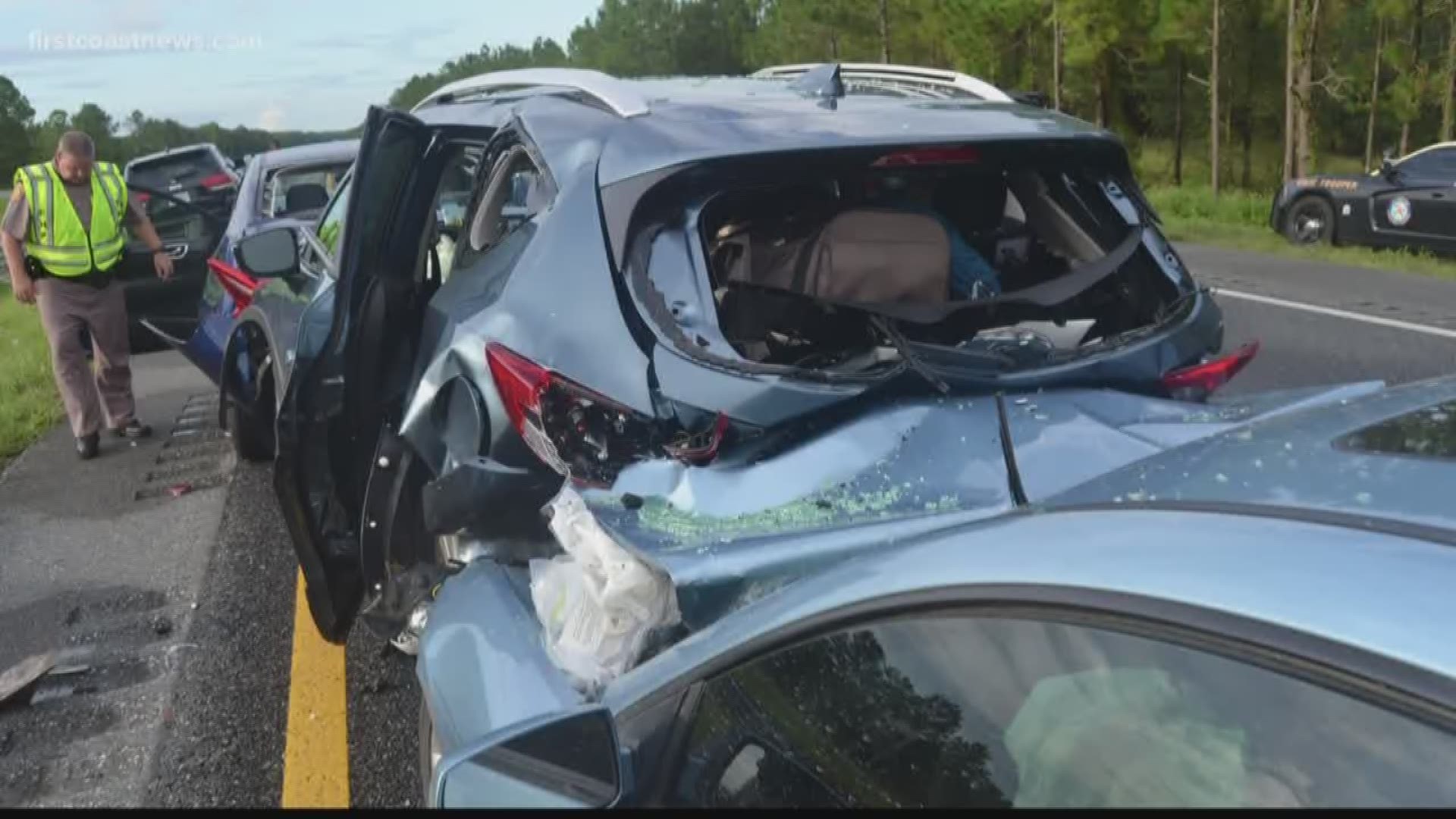
Distracted driving is a leading cause of accidents in Pembroke Pines. From texting and browsing social media to eating or adjusting the GPS, distractions behind the wheel can have catastrophic consequences. Victims of distracted driving accidents often face serious injuries, long-term medical bills, and financial uncertainty.
Winning a personal injury case in these situations requires strong evidence to prove the other driver’s negligence. Unlike clear-cut rear-end collisions, distracted driving claims often hinge on demonstrating exactly what the at-fault driver was doing at the time of the crash.
This guide explores the types of evidence that are most effective in proving distracted driving liability and how victims can use it to pursue compensation.
Why Evidence Matters in Distracted Driving Cases
In Florida, drivers have a duty of care to operate their vehicles safely. When a driver fails to maintain focus and causes an accident, they may be found negligent.
Proving negligence requires evidence showing:
- The driver was distracted
- The distraction contributed to the crash
- The crash caused measurable harm
Insurance companies frequently challenge distracted driving claims, particularly when injuries are serious. Without solid evidence, cases may be delayed, underpaid, or denied entirely.
Common Forms of Distracted Driving
Distracted driving can take many forms. The main categories include:
1. Visual Distractions
These occur when a driver takes their eyes off the road. Examples:
- Texting or scrolling on a phone
- Looking at a GPS or navigation device
- Reading
- Checking mirrors excessively or improperly
Visual distractions are especially dangerous at high speeds or in congested traffic.
2. Manual Distractions
Manual distractions occur when a driver removes hands from the wheel. Examples:
- Eating or drinking
- Adjusting radio or climate controls
- Handling loose objects in the car
Even a few seconds of manual distraction can result in an accident.
3. Cognitive Distractions
Cognitive distractions involve taking the mind off driving. Examples:
- Talking on the phone (even hands-free)
- Daydreaming or mental preoccupation
- Emotional distress
Cognitive distractions are difficult to prove but can still be critical in court.
Tip #1: Phone Records
One of the most powerful pieces of evidence in distracted driving cases is phone usage data.
Phone records can show:
- Text messages sent or received
- Calls made or received
- App usage around the time of the accident
In Florida, courts have admitted phone logs and timestamps as evidence to demonstrate that a driver was distracted at the moment of impact.
Legal Considerations
- Subpoenas may be required to obtain records
- Timing of messages or calls can be matched against accident reports
- Evidence must be collected through proper legal channels to be admissible
Tip #2: Witness Testimony
Eyewitnesses can provide crucial first-hand accounts of distracted driving behavior.
Potential witnesses include:
- Passengers in the vehicle
- Pedestrians or cyclists
- Drivers in nearby cars
Witnesses may testify about:
- The at-fault driver texting or looking down
- Erratic driving before the crash
- Any other visible distractions
The reliability and credibility of witness statements can significantly influence settlement negotiations or trial outcomes.
Tip #3: Surveillance and Dash Cam Footage
Video evidence is often the most compelling proof in distracted driving claims.
Sources of footage may include:
- Traffic cameras at intersections
- Nearby businesses or parking lots
- Dash cameras from other vehicles
Video can capture:
- The driver using a phone or device
- Lane departures or swerving
- Speeding or delayed braking
Even a few seconds of footage can clearly demonstrate the driver’s distraction.
Tip #4: Event Data Recorders (EDRs)
Many modern vehicles contain event data recorders, also known as black boxes.
EDRs can log:
- Vehicle speed
- Brake application
- Acceleration
- Steering input
While EDRs do not record phone use directly, erratic braking or steering patterns can indicate distraction. Combined with phone records or witness testimony, EDR data strengthens the case.
Tip #5: Social Media Evidence
Occasionally, drivers post online immediately after accidents. Social media can provide additional context, such as:
- Admitting they were texting or using a phone
- Posting photos or videos at the time of the crash
- Messaging others about being distracted
Care must be taken to capture evidence promptly, as posts can be deleted.
Tip #6: Police Reports and Citations
Law enforcement often investigates distracted driving accidents. Police reports can:
- Document visible signs of distraction
- Include statements from witnesses
- Record citations for texting while driving or careless driving
While a citation is not required to prove liability, it can support a pattern of negligence.
Tip #7: Physical Evidence from the Vehicle
Sometimes, physical evidence from the vehicle helps demonstrate distraction:
- Open phone or device in the driver’s hand
- Loose items that may have been handled
- Food wrappers or drinks near the driver’s seat
Investigators often document these items at the scene. Photos taken immediately after the crash are crucial to preserve this evidence.
Tip #8: Accident Reconstruction
Accident reconstruction experts can combine multiple forms of evidence to show how distraction caused the collision.
Reconstruction can analyze:
- Vehicle speed and braking
- Angle and point of impact
- Skid marks and debris fields
- Traffic signal timing
The expert can then illustrate the crash sequence in a way that juries or insurance adjusters can understand.
Tip #9: Medical Records
Medical evidence demonstrates the severity of injuries caused by distracted driving.
Key points include:
- Emergency room reports
- Diagnostic imaging (X-rays, MRIs)
- Physical therapy and rehabilitation notes
- Ongoing care or surgery documentation
Medical records establish the causal link between the crash and damages, which is critical for maximizing compensation.
Challenges in Distracted Driving Cases
Despite the abundance of evidence options, proving distracted driving can be challenging:
- Short duration distractions: Accidents happen in seconds, making it difficult to capture the distraction directly.
- Defensive arguments by insurers: Insurance companies often claim the accident was caused by traffic, weather, or the victim.
- Absence of direct evidence: Witnesses and video footage may not always be available, making expert testimony and reconstruction essential.
Legal Strategy Tips
To strengthen a distracted driving case:
- Document everything immediately: Photos, witness contacts, and medical treatment
- Preserve phone and vehicle data: Subpoenas may be required for records
- Consult a personal injury attorney early: Legal guidance ensures evidence is collected and admissible
- Coordinate expert analysis: Reconstruction, medical, and technical experts help create a compelling case
- Avoid social media missteps: Statements online can be used against you
The Role of Comparative Negligence
Florida applies comparative negligence, which can reduce compensation if the victim is partially at fault. For instance, if an injured driver was also distracted, insurance companies may argue that the victim shares some responsibility.
Evidence of the other driver’s distraction helps counter these arguments and ensures fair recovery.
Types of Compensation Possible
Victims of distracted driving accidents may recover:
- Medical expenses (current and future)
- Lost wages and earning capacity
- Pain and suffering
- Property damage
- Emotional distress or trauma
The strength of evidence directly affects the likelihood of full compensation.
Bottom Line
Distracted driving accidents in Pembroke Pines are increasingly common and often severe. Winning a case requires a multi-pronged approach to evidence, including:
- Phone records
- Witness testimony
- Video surveillance
- Vehicle black box data
- Accident reconstruction
- Medical documentation
The combination of these evidence types can demonstrate negligence, link the crash to injuries, and establish the driver’s responsibility.
Insurance companies are often aggressive in challenging distracted driving claims. Careful preservation and strategic use of evidence, along with experienced legal guidance, significantly increase the likelihood of a successful outcome.