
Pembroke Pines Claims: Using Surveillance Footage Effectively
Car accidents and personal injury incidents often happen in seconds. But in many modern cities, those seconds may be captured on camera.
Across Pembroke Pines, surveillance cameras are everywhere—mounted on traffic signals, storefronts, parking lots, and residential buildings. When an accident occurs nearby, these cameras can record crucial moments that become powerful evidence in injury claims.
For victims pursuing compensation, surveillance footage can provide clear, objective proof of what happened. Unlike witness testimony, which may vary or fade over time, video recordings capture events exactly as they occurred.
However, using surveillance footage effectively requires speed, strategy, and proper legal procedures. Without quick action, important recordings may be overwritten or lost.
Let’s explore how surveillance footage plays a role in injury claims, how it is obtained, and how it can strengthen a case.
Why Surveillance Footage Matters in Injury Claims
When insurance companies evaluate accident claims, they focus heavily on liability—in other words, determining who caused the accident.
Surveillance video can provide direct evidence of:
- Which driver had the right of way
- Whether a traffic signal was obeyed
- Vehicle speeds and driving behavior
- Lane changes or improper turns
- The exact point of impact
Because the footage shows events in real time, it often becomes one of the most persuasive forms of evidence in a claim.
In some situations, video footage can immediately resolve disputes that might otherwise take months of investigation.
For example, a driver may claim they entered an intersection on a green light. But if a nearby traffic camera shows the light was red, the dispute can be resolved almost instantly.
Common Sources of Surveillance Footage
Surveillance cameras exist in many places around busy roads and commercial areas. After an accident in Pembroke Pines, investigators often check nearby locations for potential video evidence.
Possible sources of footage include:
Traffic Cameras
Municipal traffic cameras sometimes monitor major intersections. These cameras may record:
- Traffic flow
- Signal timing
- Vehicles entering intersections
Although not every traffic camera records continuously, some systems store footage for a limited time.
Business Security Cameras
Many businesses operate surveillance systems that monitor their surroundings.
Examples include:
- Restaurants
- Gas stations
- Convenience stores
- Retail shops
- Banks
These cameras often face parking lots or nearby streets and may capture accidents occurring close to the property.
Residential Security Systems
In recent years, home security systems have become extremely common.
Doorbell cameras and home security systems may capture events occurring on nearby roads or sidewalks. These systems often record high-resolution video that can clearly show vehicles and license plates.
Dash Cameras
Although technically not “surveillance cameras,” dash cameras installed in vehicles can also provide valuable footage.
Drivers passing by an accident scene might unknowingly record the crash on their dash cam. In some cases, these recordings become key evidence in accident investigations.
Acting Quickly to Preserve Video Evidence
One of the most important aspects of using surveillance footage is timing.
Many security systems automatically overwrite old recordings after a short period. Depending on the system, footage may be erased after:
- 24 hours
- 48 hours
- A few days
- One or two weeks
If no one requests the footage before that time, it may be permanently lost.
Because of this, accident victims or their legal representatives often act quickly to:
- Identify nearby cameras
- Contact property owners
- Request preservation of recordings
In some cases, attorneys may send formal preservation letters asking businesses or property owners not to delete relevant footage.
Legal Methods for Obtaining Surveillance Footage
Not all camera owners are required to hand over recordings immediately. The process for obtaining footage may involve several steps.
Informal Requests
Sometimes property owners voluntarily share footage when asked. Businesses may cooperate if the incident occurred near their property.
However, cooperation is not guaranteed.
Insurance Investigations
Insurance companies may also request footage while investigating a claim. If video evidence clearly shows fault, insurers often use it to evaluate liability quickly.
Legal Subpoenas
If footage is not voluntarily released, attorneys may request it through legal procedures such as subpoenas.
A subpoena is a legal order requiring a person or organization to provide evidence related to a case.
This process is often used when surveillance recordings are believed to contain critical information about an accident.
How Video Evidence Strengthens Injury Claims
Surveillance footage can support injury claims in several important ways.
Establishing Fault
Video recordings can show the exact sequence of events leading to a crash.
For example, footage might reveal:
- A driver running a red light
- A vehicle drifting into another lane
- A driver failing to yield
- Illegal turns or sudden stops
When fault becomes clear, insurance negotiations often move much faster.
Confirming Witness Testimony
If witnesses are present, surveillance footage can confirm their accounts of what happened.
Matching video evidence with witness statements strengthens the credibility of the claim.
Disproving False Claims
In some accidents, drivers may provide inaccurate or misleading descriptions of events.
Video footage can expose these inconsistencies.
For example, a driver may claim the other vehicle struck them from behind. But surveillance footage might reveal that they abruptly reversed or stopped unexpectedly.
This kind of evidence can dramatically change the outcome of a claim.
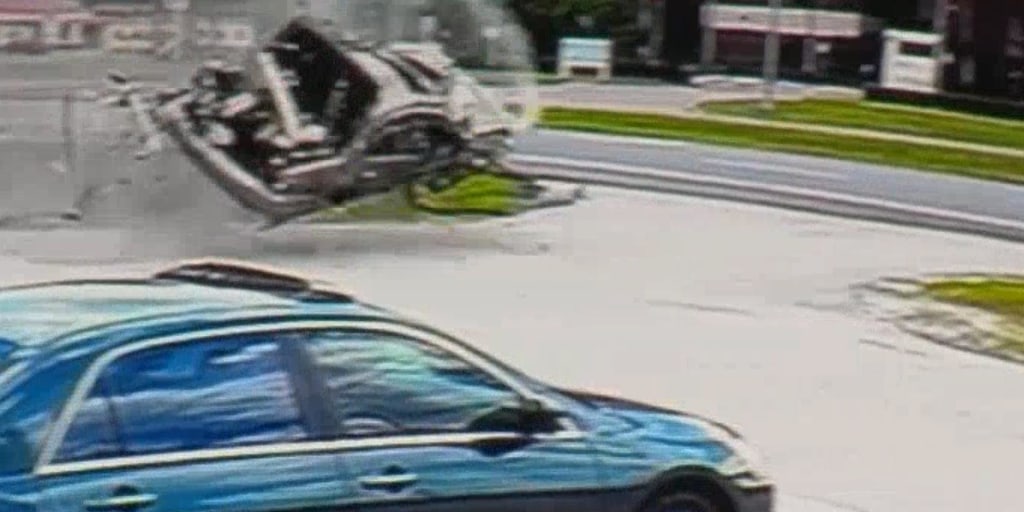
Demonstrating the Severity of the Crash
Surveillance video can also illustrate how violent an impact was.
Seeing the force of a collision may help insurance companies or juries understand the seriousness of injuries involved.
Footage showing a high-speed collision or vehicle rollover can reinforce claims involving severe injuries.
Limitations of Surveillance Footage
Although surveillance video can be extremely helpful, it is not always perfect evidence.
Some common limitations include:
Poor Video Quality
Older cameras may produce grainy or low-resolution footage. This can make it difficult to clearly identify vehicles or license plates.
Limited Camera Angles
A camera might capture only part of an accident scene.
For example, a storefront camera may show a vehicle approaching but not the moment of impact if the crash occurs outside the camera’s field of view.
Obstructions
Objects such as trees, parked vehicles, or buildings can block parts of the scene.
Even partial footage, however, may still provide useful information.
Authenticating Surveillance Footage in Legal Cases
When video evidence is used in a legal claim, it must typically be authenticated.
Authentication ensures that the footage:
- Is genuine
- Has not been altered
- Accurately represents the recorded events
This process may involve testimony from the camera owner or records showing when and how the footage was recorded.
Courts take these steps to ensure that video evidence remains reliable and trustworthy.
Combining Surveillance Footage With Other Evidence
While surveillance footage can be powerful, it is usually most effective when combined with other types of evidence.
Examples include:
- Police accident reports
- Photographs of vehicle damage
- Medical records documenting injuries
- Accident reconstruction analysis
- Witness statements
Together, these elements create a complete picture of the accident.
Even if video footage captures only part of the event, additional evidence can fill in the remaining details.
Privacy Considerations
Surveillance cameras raise important privacy considerations as well.
Property owners generally have the right to install security cameras on their premises. However, laws typically prohibit recording in areas where individuals expect privacy, such as restrooms or private residences.
In accident investigations, video recordings are usually limited to public areas such as streets, parking lots, or sidewalks.
These recordings can legally be used as evidence in civil injury claims.
The Growing Role of Video Evidence in Modern Claims
Technology has transformed how accidents are investigated.
Twenty years ago, many claims relied heavily on witness testimony and written reports. Today, digital recordings often provide far clearer evidence.
In busy cities like Pembroke Pines, the growing presence of cameras means that more accidents are captured on video than ever before.
This trend has significantly influenced how insurance companies analyze claims and how attorneys prepare cases for negotiation or trial.
Why Early Investigation Matters
Because surveillance footage may disappear quickly, early investigation after an accident can be critical.
Important early steps may include:
- Identifying nearby cameras
- Documenting businesses near the accident scene
- Notifying property owners about the incident
- Requesting preservation of recordings
Taking these steps promptly helps ensure that valuable evidence is not lost.
Final Thoughts
Surveillance footage has become one of the most powerful tools in modern personal injury claims.
For accidents occurring in Pembroke Pines, video recordings from traffic cameras, businesses, residential systems, or dash cams can provide clear evidence of how an incident occurred.
When used effectively, surveillance footage can:
- Establish fault in an accident
- Confirm or challenge witness testimony
- Demonstrate the severity of a collision
- Strengthen negotiations with insurance companies
However, the usefulness of this evidence often depends on how quickly it is identified and preserved.
As technology continues to expand, video evidence will likely play an even greater role in accident investigations and injury claims throughout Florida.
For accident victims, understanding the value of surveillance footage can make a meaningful difference when pursuing fair compensation after a serious injury.