
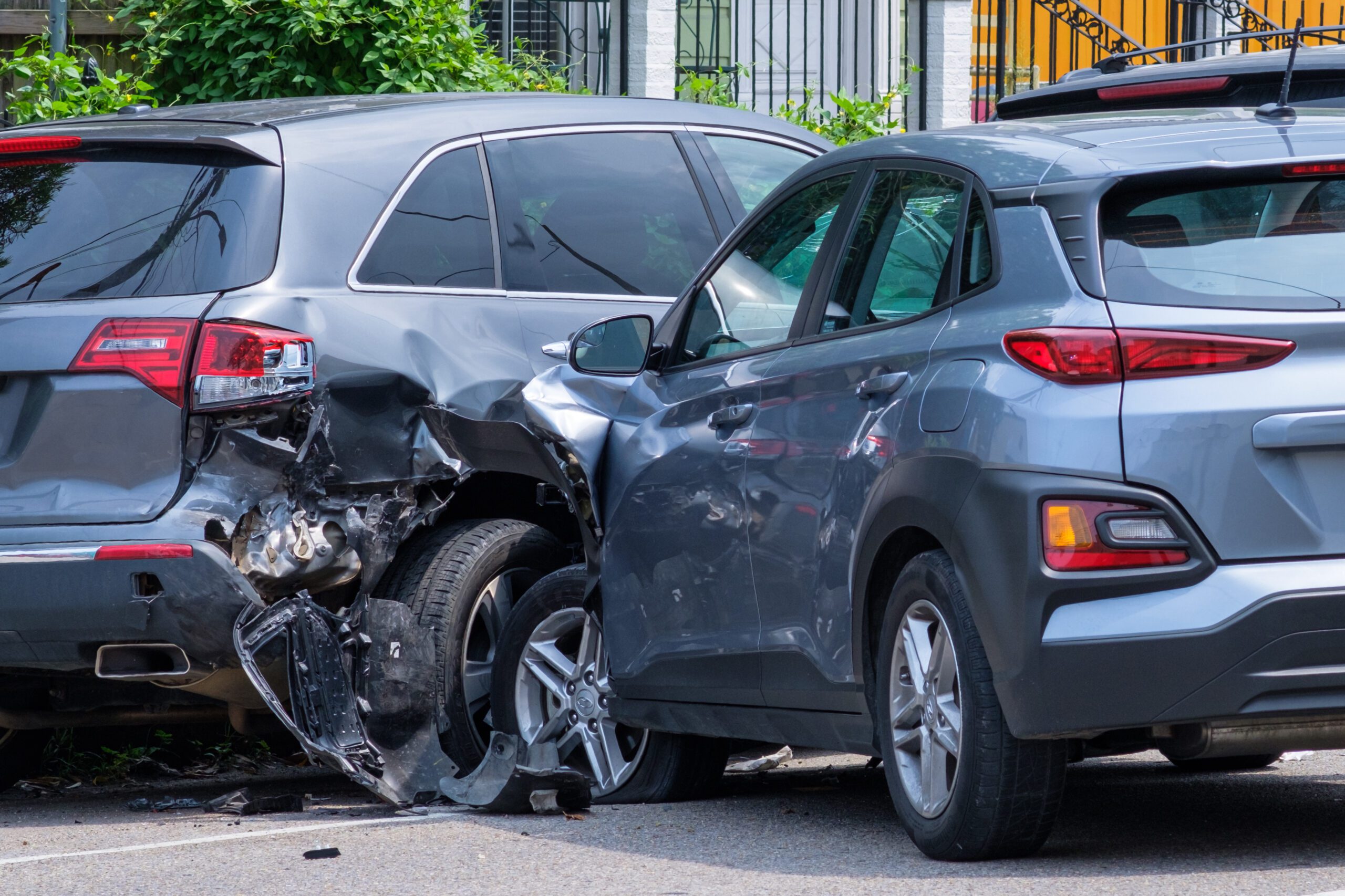
Pembroke Pines Claims: Understanding Florida No-Fault Rules
If you’re involved in a car accident in Pembroke Pines, one of the first legal concepts you’ll encounter is Florida’s no-fault insurance system.
Many drivers hear the term no-fault and assume it means no one is responsible for the accident. That’s not quite true. What it really means is that your own insurance pays first, regardless of who caused the crash.
Confusing? You’re not alone.
Florida’s no-fault system affects how injury claims start, how medical bills get paid, and when a lawsuit becomes possible. If you’re dealing with an accident claim in Pembroke Pines, understanding these rules can make the entire process much less stressful.
Let’s walk through the key parts of Florida’s no-fault laws and how they impact injury claims.
What “No-Fault Insurance” Means in Florida
Florida is one of the few states that follows a no-fault auto insurance system.
Under this system, drivers rely on Personal Injury Protection (PIP) coverage from their own insurance policy to pay for certain losses after an accident.
This applies whether the crash happened in:
- Pembroke Pines
- Anywhere in Broward County
- Or anywhere else in the state of Florida
The core rule is simple:
Your insurance pays first, even if another driver caused the crash.
This structure was designed to reduce lawsuits and ensure fast payment of medical bills after accidents.
But the system also has limitations—and understanding those limits is essential for accident victims.
Personal Injury Protection (PIP): The Foundation of No-Fault
Every Florida driver must carry Personal Injury Protection (PIP) insurance.
PIP coverage typically provides up to $10,000 in benefits after an accident.
These benefits can include:
- 80% of medical expenses
- 60% of lost wages
- Replacement services (like help with daily tasks)
- Death benefits in fatal accidents
This means if you’re injured in a crash in Pembroke Pines, your own policy pays these benefits first, regardless of fault.
For example:
Imagine another driver runs a red light and hits your vehicle. Even though they caused the accident, your PIP coverage still pays your initial medical expenses.
Only later might the at-fault driver’s insurance become involved.
The 14-Day Rule for Medical Treatment
One rule that surprises many accident victims is Florida’s 14-day treatment requirement.
To qualify for PIP benefits, you must seek medical treatment within 14 days of the accident.
If you wait longer than that, your insurance company may deny PIP coverage entirely.
Treatment can come from providers such as:
- Emergency room physicians
- Chiropractors
- Medical doctors
- Dentists
- Certain urgent care clinics
Because of this rule, many attorneys strongly recommend getting medical evaluation immediately after an accident, even if injuries seem minor at first.
Some injuries—especially neck and back trauma—may not show symptoms right away.
Emergency Medical Condition (EMC) Requirement
Another key detail involves something called an Emergency Medical Condition (EMC).
Without an EMC diagnosis, PIP coverage may be limited to $2,500 instead of $10,000.
An EMC is typically defined as a medical condition showing:
- Serious jeopardy to health
- Serious impairment of bodily function
- Serious dysfunction of organs or body parts
A qualified physician must make this determination.
This rule often becomes important in settlement negotiations because medical documentation can influence how much coverage is available.
What PIP Does NOT Cover
While PIP provides fast access to benefits, it does not cover everything.
For example, PIP does not fully pay for:
- All medical bills
- Property damage
- Pain and suffering
- Full wage replacement
Remember, PIP only covers:
- 80% of medical expenses
- 60% of lost income
And those benefits stop once the $10,000 limit is reached.
In serious accidents, medical bills alone can exceed that amount within days.
That’s when the next phase of a claim begins.
Property Damage Is Not Covered by PIP
A common misunderstanding is that PIP covers vehicle damage.
It doesn’t.
Property damage claims are handled separately through Property Damage Liability (PDL) insurance.
Florida drivers must carry at least $10,000 in PDL coverage.
If another driver caused the accident, their property damage coverage may pay for:
- Vehicle repairs
- Replacement vehicles
- Damage to buildings or structures
- Damage to fences or other property
If both drivers dispute fault, insurers often investigate before determining responsibility.
When Can You Step Outside the No-Fault System?
Florida’s no-fault rules limit lawsuits—but not completely.
Injured victims can pursue a liability claim against the at-fault driver if their injuries meet a legal threshold.
This threshold typically includes:
- Significant or permanent loss of bodily function
- Permanent injury
- Significant scarring or disfigurement
- Death
When injuries reach this level, victims may pursue compensation beyond PIP benefits.
This can include:
- Full medical costs
- Lost future income
- Pain and suffering
- Emotional distress
Serious crashes often cross this threshold quickly.
Understanding Bodily Injury Liability Coverage
Interestingly, Florida does not require drivers to carry Bodily Injury Liability (BIL) insurance.
That means some drivers on the road may have no coverage for injuries they cause.
If an at-fault driver lacks sufficient insurance, accident victims may rely on:
- Uninsured motorist coverage
- Underinsured motorist coverage
- Additional liable parties
For example, if the driver was working at the time of the crash, their employer may also be responsible.
Investigating insurance coverage is a crucial step in serious injury cases.
Uninsured and Underinsured Motorist Coverage
Because Florida has many uninsured drivers, UM/UIM coverage can be extremely valuable.
This optional coverage protects you when:
- The at-fault driver has no insurance
- Their coverage is insufficient to cover damages
UM/UIM coverage may pay for:
- Medical expenses
- Lost income
- Pain and suffering
- Long-term care
In serious accidents, this coverage often becomes one of the largest sources of compensation.
Many attorneys recommend carrying as much UM coverage as possible.
How Insurance Companies Evaluate No-Fault Claims
Even though PIP is designed to provide quick benefits, insurance companies still review claims carefully.
They often examine:
- Medical records
- Accident reports
- Treatment timelines
- Physician diagnoses
Insurers sometimes question whether:
- Treatment was necessary
- Injuries were caused by the accident
- Medical care was excessive
Because of this scrutiny, detailed documentation becomes extremely important.
Consistent treatment and accurate medical records can strengthen an injury claim significantly.
The Role of Police Reports and Evidence
Although PIP pays benefits regardless of fault, evidence still matters.
Accident documentation helps determine whether a victim can pursue a liability claim later.
Important evidence may include:
- Police crash reports
- Photographs of the scene
- Witness statements
- Surveillance or dash-camera footage
- Vehicle damage analysis
This information helps establish how the accident happened and whether another driver was negligent.
Even in no-fault states, negligence still matters when injuries become serious.
Why Legal Guidance Often Helps
Florida’s no-fault system sounds simple, but real-world claims can become complicated.
Issues frequently arise involving:
- Insurance disputes
- Coverage limits
- Injury thresholds
- Liability investigations
A legal professional can help accident victims:
- Understand PIP coverage
- Gather medical documentation
- Evaluate long-term damages
- Identify all possible insurance policies
This can be especially important in accidents involving severe injuries or multiple vehicles.
Common Misconceptions About Florida No-Fault Laws
Many drivers misunderstand how no-fault rules actually work.
Here are a few common myths:
Myth: No one is responsible in a no-fault state.
Reality: Drivers can still be legally liable when injuries are serious.
Myth: PIP covers all accident costs.
Reality: Coverage is limited and often exhausted quickly.
Myth: You can wait weeks to seek medical care.
Reality: The 14-day rule can eliminate PIP benefits entirely.
Myth: You cannot sue another driver.
Reality: Lawsuits are possible when injuries meet the serious injury threshold.
Understanding these details can prevent costly mistakes after an accident.
How No-Fault Rules Affect Pembroke Pines Accident Victims
For drivers in Pembroke Pines, Florida’s no-fault system means the claims process usually unfolds in stages:
- PIP coverage pays initial medical bills.
- Medical treatment documents the severity of injuries.
- If injuries are serious, victims may pursue claims against the at-fault driver.
- Additional insurance policies may become involved.
The key takeaway?
PIP is just the beginning of the process, not the end.
In more serious accidents, compensation often extends far beyond the initial no-fault benefits.
Final Thoughts
Florida’s no-fault insurance system plays a major role in how accident claims work in Pembroke Pines.
Key rules every driver should understand include:
- Drivers must carry Personal Injury Protection (PIP) coverage
- PIP typically provides up to $10,000 in benefits
- Medical treatment must occur within 14 days of the accident
- Serious injuries may allow victims to step outside the no-fault system and pursue additional compensation
While the system is designed to simplify accident claims, real cases often involve multiple layers of insurance and legal evaluation.
Understanding these rules helps accident victims protect their rights, obtain necessary medical care, and navigate the claims process with greater confidence.