
How “Spoliation” Issues Affect Fort Lauderdale Injury Claims
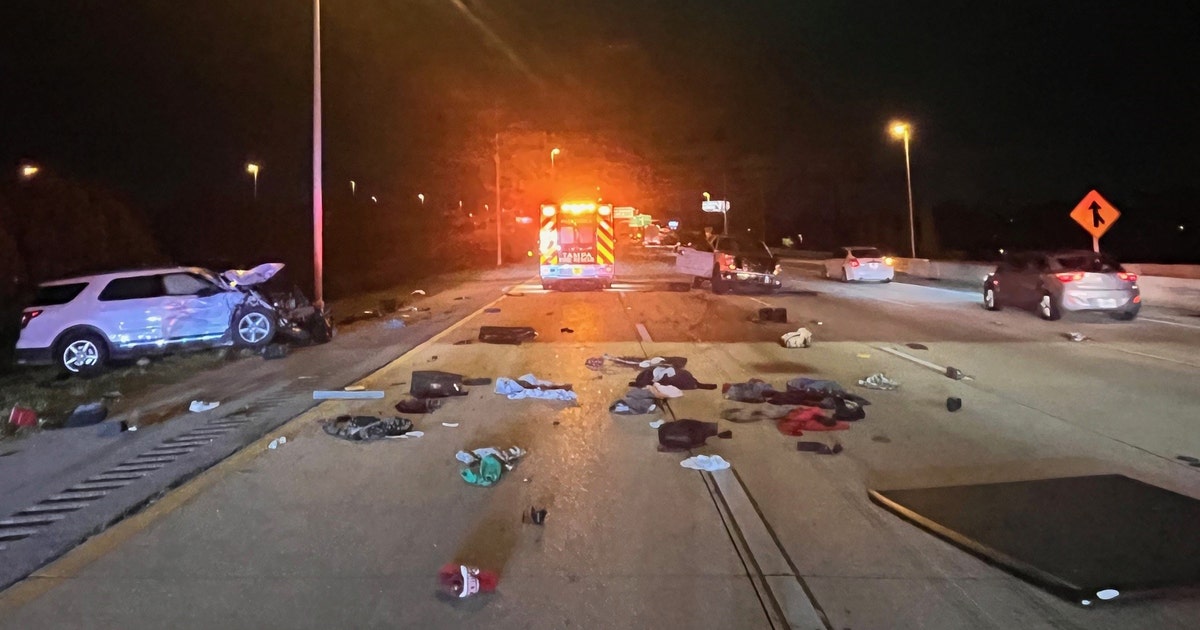
In many Fort Lauderdale personal injury cases, evidence plays a critical role in determining who is responsible for an accident and how much compensation an injured person may receive. However, sometimes important evidence disappears, is destroyed, or is altered before it can be used in a legal claim. When this happens, the issue may be referred to as spoliation of evidence.
Spoliation can affect how courts and insurance companies evaluate accident claims. When key evidence is lost or destroyed, it may become harder to prove liability or the full extent of damages.
Understanding how spoliation issues affect Fort Lauderdale injury claims can help accident victims recognize why preserving evidence is so important after a crash.
What Is Spoliation of Evidence?
Spoliation refers to the destruction, loss, or alteration of evidence that may be relevant to a legal case.
This can occur intentionally or unintentionally. In personal injury cases, spoliation may involve evidence such as:
- Surveillance video recordings
- Vehicle black box data
- Maintenance records
- Cell phone records
- Accident scene photographs
- Vehicle damage documentation
When this type of evidence disappears, it can complicate the process of determining what happened during an accident.
Examples of Spoliation in Accident Cases
Spoliation can occur in a variety of ways after a car accident.
For example:
Surveillance footage deleted
Many businesses automatically delete video recordings after a certain number of days.
Vehicle repairs completed too quickly
When damaged vehicles are repaired or salvaged before inspections occur, valuable evidence may be lost.
Black box data overwritten
Event Data Recorders sometimes overwrite data if the vehicle continues operating after a crash.
Phone records deleted
Drivers may delete messages or call logs that could reveal distracted driving.
Maintenance records lost
In commercial vehicle cases, maintenance logs may be missing or incomplete.
When this evidence is no longer available, it may affect how investigators evaluate the accident.
Why Evidence Preservation Matters
Evidence preservation is critical because personal injury cases often rely on physical proof rather than conflicting statements.
Evidence may help establish important details such as:
- Which driver caused the crash
- Whether speeding was involved
- Whether distracted driving occurred
- Whether a vehicle malfunction contributed to the accident
Without this information, proving negligence can become more difficult.
Preserving evidence early in the case helps protect the injured person’s ability to pursue compensation.
Spoliation Letters and Evidence Preservation
When attorneys believe important evidence may be at risk, they may send a spoliation letter.
A spoliation letter is a formal notice sent to another party instructing them to preserve specific evidence that may be relevant to a legal claim.
These letters may request preservation of items such as:
- Surveillance video footage
- Vehicle inspection records
- Electronic data from vehicles
- Driver logs
- Maintenance records
Once a party receives a spoliation letter, they are typically expected to preserve the requested evidence.
Failure to do so may create legal consequences.
How Courts Handle Spoliation Issues
Courts may take spoliation seriously because the loss of evidence can affect the fairness of a legal case.
When evidence is destroyed or withheld, courts may impose certain remedies.
These may include:
- Allowing juries to assume the missing evidence would have been unfavorable to the party responsible for destroying it
- Limiting the defenses available to the party who lost the evidence
- Imposing financial penalties or sanctions
These consequences are intended to discourage the destruction of important evidence.
Florida’s No-Fault Insurance System
Most Fort Lauderdale car accident claims initially fall under Florida’s no-fault insurance system.
Under the Florida Motor Vehicle No-Fault Law, drivers must carry Personal Injury Protection (PIP) coverage.
PIP benefits typically cover:
- 80% of medical expenses
- 60% of lost wages
- Up to $10,000 in benefits
Florida law also requires accident victims to seek medical treatment within 14 days in order to qualify for these benefits.
Even when evidence disputes occur, injured individuals can often access these benefits through their own insurance coverage.
When Fault Matters in Injury Claims
Fault becomes particularly important when injuries exceed the limits of PIP coverage.
Under Florida Statutes §627.737, accident victims may pursue compensation from the at-fault driver when injuries involve:
- Permanent injury
- Significant loss of bodily function
- Permanent scarring or disfigurement
In these cases, evidence preservation can be critical in proving negligence.
Comparative Negligence in Florida
Florida follows a comparative negligence system under Florida Statutes §768.81.
Under this system, more than one party may share responsibility for an accident.
If an injured person is partially responsible, their compensation may be reduced according to their percentage of fault.
When important evidence disappears, insurance companies sometimes use the lack of evidence to argue that responsibility is unclear.
Common Situations Where Spoliation Occurs
Several types of cases are particularly vulnerable to spoliation issues.
These may include:
- Commercial truck accidents where company records are involved
- Accidents near businesses with security cameras
- Cases involving vehicle defects or mechanical failures
- Crashes involving rideshare vehicles or commercial fleets
In these situations, evidence may be held by companies or third parties rather than the injured victim.
Prompt legal action may help ensure that this evidence is preserved.
Why Legal Representation Matters
Preserving evidence often requires quick action and knowledge of legal procedures.
A Fort Lauderdale personal injury attorney can help by:
- Sending spoliation letters to relevant parties
- Requesting surveillance footage before it is deleted
- Preserving vehicle data and inspection records
- Consulting accident reconstruction experts
- Gathering witness statements
- Negotiating with insurance companies
Legal professionals understand how evidence preservation affects personal injury claims and how to address spoliation issues if they arise.
Most Fort Lauderdale personal injury attorneys work on a contingency fee basis, meaning clients pay no upfront legal fees and attorneys are only paid if compensation is recovered.
Protecting Your Rights After a Fort Lauderdale Accident
Evidence is one of the most important elements of any personal injury case. When evidence disappears or is destroyed, proving liability can become more difficult.
Understanding how spoliation issues affect Fort Lauderdale injury claims highlights the importance of preserving evidence early in the legal process.
If you were injured in a Fort Lauderdale accident, speaking with a knowledgeable personal injury attorney can help ensure that critical evidence is identified, preserved, and used to support your claim.
Most Fort Lauderdale personal injury law firms offer free consultations and no upfront fees, allowing accident victims to explore their legal options while focusing on recovery.