
Fort Lauderdale Accidents: Why Scene Evidence Disappears Fast
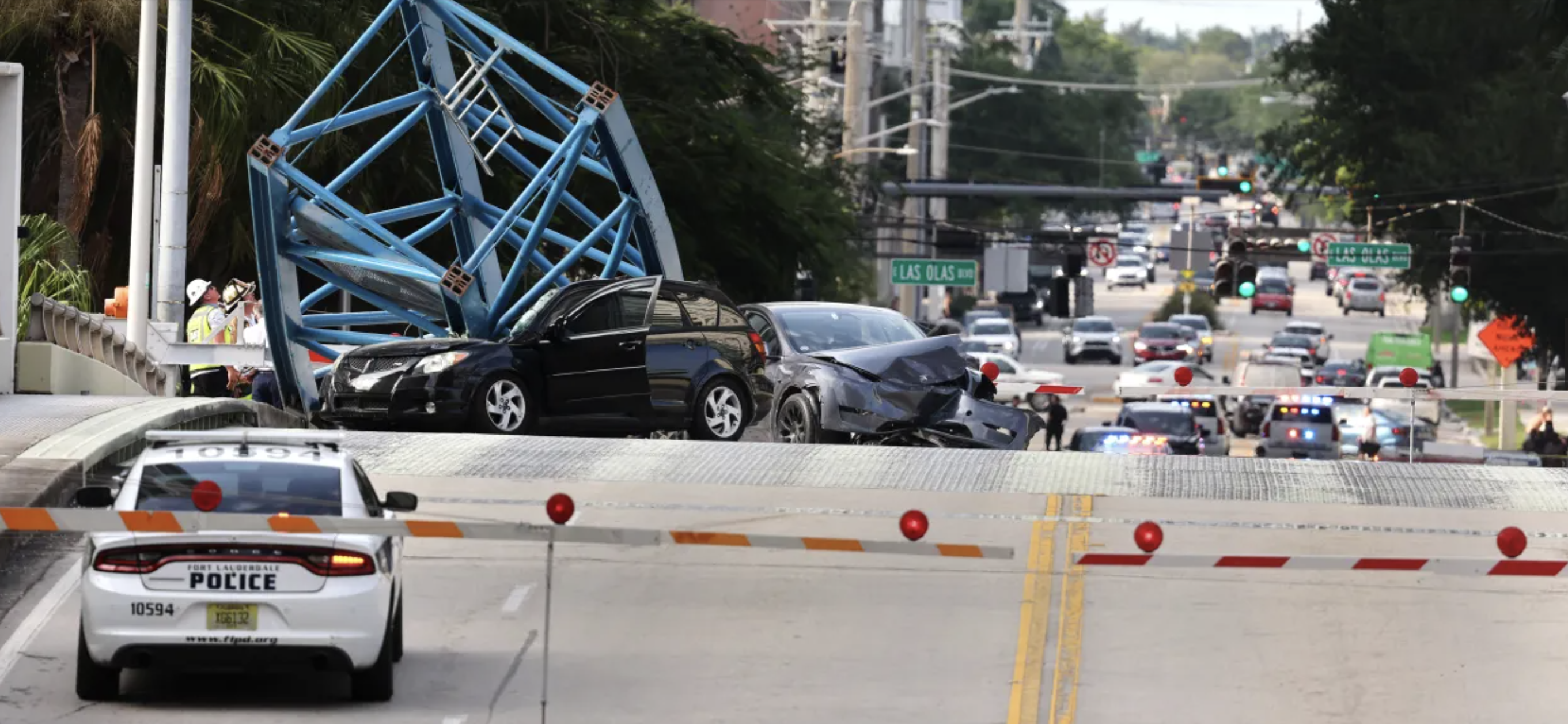
After a car accident in Fort Lauderdale, the moments immediately following the crash are often chaotic. Emergency responders arrive, vehicles may be moved, and traffic begins flowing again. While these steps are necessary for safety and traffic control, they can also cause important accident scene evidence to disappear quickly.
Physical evidence at a crash scene can provide critical information about how an accident occurred and who may be responsible. Unfortunately, much of that evidence may be lost within hours—or even minutes—after a collision.
Understanding why scene evidence disappears so quickly after Fort Lauderdale accidents can help injured victims recognize the importance of documenting the crash and preserving important information.
What Is Accident Scene Evidence?
Accident scene evidence refers to the physical clues left behind after a collision. These clues help investigators reconstruct the sequence of events leading to the crash.
Common types of scene evidence include:
- Tire skid marks
- Vehicle debris
- Broken glass
- Fluid leaks from vehicles
- Vehicle resting positions
- Damage to guardrails or traffic signs
- Road surface markings
These details often help investigators determine important factors such as vehicle speed, direction of travel, and the point of impact.
Why Evidence Disappears Quickly After a Crash
Several factors contribute to the rapid disappearance of accident scene evidence.
Emergency Response and Traffic Cleanup
When police and emergency responders arrive at an accident scene, their priority is public safety.
Vehicles may be moved to clear traffic lanes, and debris is often removed to prevent additional accidents.
While necessary, these actions can alter the scene and remove valuable physical evidence.
Traffic and Road Use
Busy Fort Lauderdale roadways—such as I-95, Sunrise Boulevard, Broward Boulevard, and Federal Highway—carry thousands of vehicles every day.
Traffic quickly passes through accident scenes once lanes reopen.
Passing vehicles may:
- Scatter debris
- Erase skid marks
- Move small pieces of evidence
- Obscure the original positions of vehicles
Within a short time, the crash scene may look completely different.
Weather Conditions
South Florida weather can also affect accident scene evidence.
Rainstorms and heavy humidity can quickly erase important details such as:
- Tire marks on asphalt
- Fluid spills
- Chalk markings used by investigators
Even light rainfall can wash away crucial clues that investigators rely on to understand how the crash occurred.
Roadway Maintenance
City or state maintenance crews may arrive to clean the roadway after serious crashes.
These crews often remove debris, sweep glass fragments, and repair damaged infrastructure.
While this helps restore normal traffic conditions, it can eliminate evidence that might have been useful later in an investigation.
Why Scene Evidence Is Important in Injury Claims
Accident scene evidence often plays a key role in establishing liability in personal injury claims.
Investigators and accident reconstruction experts use this evidence to analyze factors such as:
- Vehicle speed
- Direction of travel
- Impact location
- Driver reactions before the crash
For example, skid marks may reveal whether a driver attempted to brake before impact.
Debris patterns may show where vehicles collided.
These details can help determine whether a driver was speeding, distracted, or failed to yield.
The Role of Photographs and Video
Because accident scene evidence disappears quickly, photographs and video recordings can become extremely valuable.
Images captured immediately after a crash may preserve important details that later disappear.
Useful photos may include:
- Vehicle damage from multiple angles
- Skid marks on the roadway
- Debris scattered across the road
- Traffic signals and road signs
- Surrounding intersections or landmarks
Even smartphone photos taken shortly after the accident can help preserve evidence.
Witness Statements and Their Importance
Witnesses can also help preserve information that may be lost once the accident scene is cleared.
Witnesses may remember details such as:
- Which driver ran a red light
- Whether a driver appeared to be speeding
- Whether a driver was using a phone
- The sequence of events before the crash
Because witness memories can fade over time, obtaining contact information early can be important.
Florida’s No-Fault Insurance System
Most car accident claims in Fort Lauderdale begin under Florida’s no-fault insurance system.
Under the Florida Motor Vehicle No-Fault Law, drivers must carry Personal Injury Protection (PIP) coverage.
PIP benefits generally cover:
- 80% of medical expenses
- 60% of lost wages
- Up to $10,000 in benefits
Florida law also requires accident victims to seek medical treatment within 14 days in order to qualify for these benefits.
However, serious accidents often exceed these limits.
The Serious Injury Threshold
When injuries meet the threshold outlined in Florida Statutes §627.737, accident victims may pursue compensation from the at-fault driver.
These claims may include damages for:
- Medical expenses beyond PIP coverage
- Future medical care
- Lost income
- Loss of earning capacity
- Pain and suffering
Evidence from the crash scene may play an important role in establishing fault in these cases.
Comparative Negligence in Florida
Florida follows a comparative negligence system under Florida Statutes §768.81.
Under this rule, multiple parties may share responsibility for an accident.
If an injured person is partially responsible, their compensation may be reduced according to their percentage of fault.
Accurate evidence from the crash scene can help clarify each driver’s role in the accident.
Steps to Preserve Evidence After an Accident
Although accident scenes change quickly, several steps can help preserve evidence.
Consider the following actions if it is safe to do so:
- Take photos of the vehicles and roadway
- Record video of the surrounding area
- Collect contact information from witnesses
- Note nearby surveillance cameras
- Request a copy of the police report
These steps can help preserve details that may otherwise disappear.
Why Legal Representation Matters
Accident investigations often require careful analysis of multiple types of evidence.
A Fort Lauderdale personal injury attorney can help by:
- Investigating the accident scene
- Gathering photos, videos, and witness statements
- Obtaining surveillance footage from nearby businesses
- Consulting accident reconstruction experts
- Negotiating with insurance companies
- Filing lawsuits when necessary
Legal professionals understand how quickly crash scene evidence can disappear and how to preserve information that may support an injury claim.
Most Fort Lauderdale personal injury lawyers work on a contingency fee basis, meaning clients pay no upfront legal fees and attorneys are only paid if compensation is recovered.
Protecting Your Rights After a Fort Lauderdale Crash
The moments immediately following a car accident can be critical for preserving evidence. Physical clues at the scene often help investigators determine how the crash occurred and who may be responsible.
Because this evidence can disappear quickly due to traffic, weather, and cleanup efforts, documenting the accident as soon as possible can be extremely valuable.
If you were injured in a Fort Lauderdale accident, speaking with a knowledgeable personal injury attorney can help ensure that important evidence is gathered and preserved.
Most Fort Lauderdale personal injury law firms offer free consultations and no upfront fees, allowing accident victims to explore their legal options while focusing on recovery.