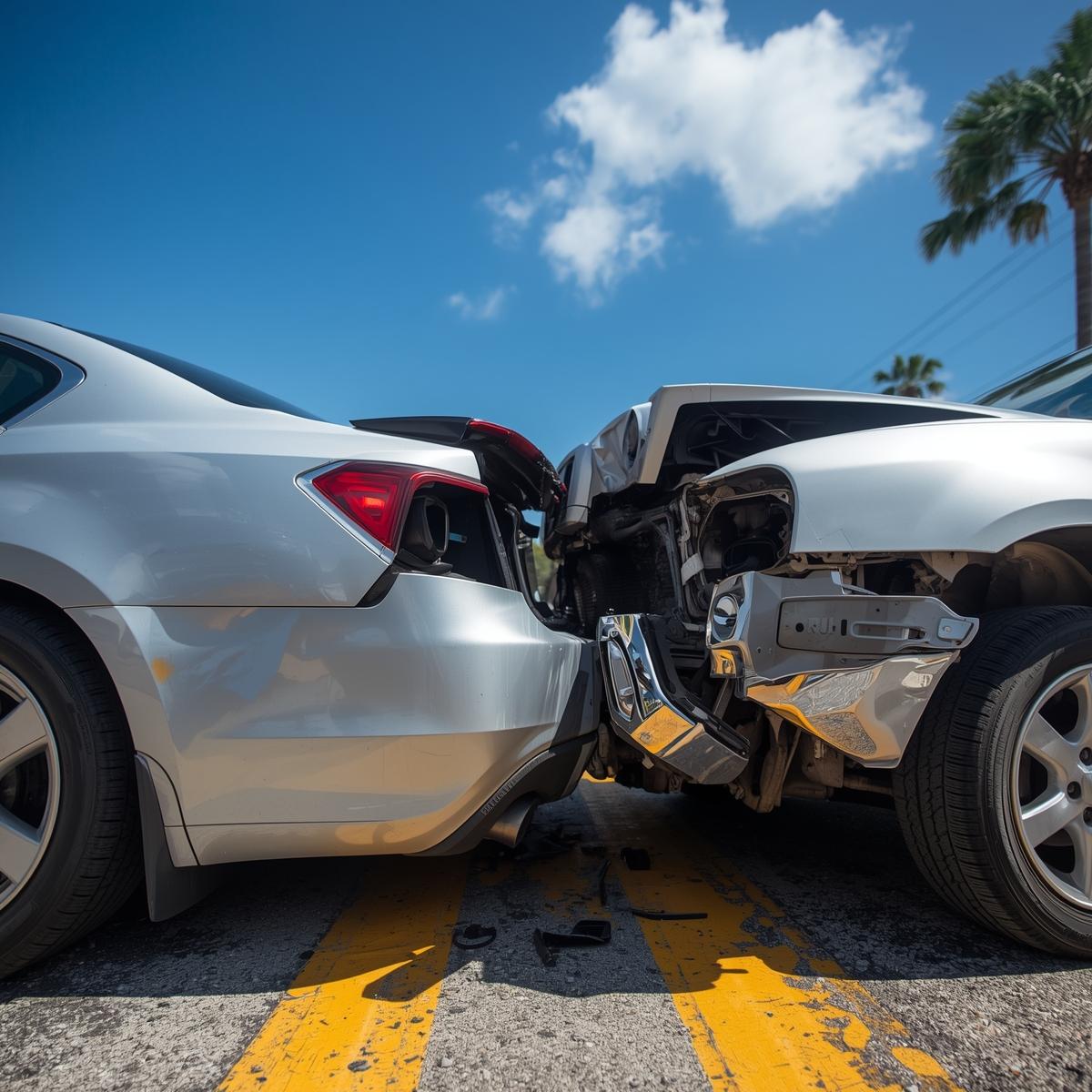
Hollywood Rear-End Crashes: Disputes About Causation
Rear-end crashes are among the most common types of accidents in Hollywood, Florida. Busy corridors like U.S. 1, Sheridan Street, and Hollywood Boulevard experience heavy commuter traffic, while shopping plazas, residential streets, and commercial areas create additional congestion. In many of these crashes, the vehicle in the rear collides with the one in front, often resulting in neck injuries, back pain, whiplash, or property damage.
While it might seem straightforward that the driver in the back is at fault, causation is often disputed by insurance companies and opposing parties. These disputes can complicate claims, delay settlements, and impact compensation for medical bills, lost wages, and pain and suffering.
Understanding how causation works, the common challenges in proving it, and the steps victims should take can help Hollywood accident victims protect their legal rights and recover fair compensation.
What “Causation” Means in Florida Rear-End Crashes
In Florida personal injury law, causation refers to the connection between the accident and the injuries suffered. There are two key components:
- Actual Cause (Cause-in-Fact) – The accident must be the actual reason the injury occurred. For example, the rear-end collision caused a herniated disc.
- Proximate Cause (Legal Cause) – The injury must be a reasonably foreseeable result of the accident. For instance, it is foreseeable that a rear-end impact could cause neck or back injuries.
Proving causation is critical because without it, an insurance company may deny your claim entirely, even if the other driver was clearly negligent.
Why Causation Disputes Arise
Even in seemingly clear rear-end crashes, causation disputes are common. Insurance adjusters and defense attorneys may challenge claims using several tactics:
1. Pre-Existing Conditions
- Claim that injuries were caused by prior medical issues, such as previous back or neck problems.
- Argue that the accident merely aggravated a pre-existing condition, rather than causing a new injury.
2. Delay in Seeking Medical Treatment
- If treatment is not sought immediately, insurers may claim that the injuries aren’t serious or are unrelated to the accident.
- Delayed reporting of symptoms can create questions about causation and severity.
3. Conflicting Witness Accounts
- Passengers, pedestrians, or other drivers may give inconsistent statements.
- Insurance companies use discrepancies to cast doubt on who caused the accident and how it happened.
4. Disputes Over Vehicle Damage
- Adjusters may argue that the damage to the car does not correspond with the claimed injuries.
- Minor vehicle damage can be cited to reduce perceived impact severity.
5. Comparative Negligence
- Florida follows a comparative negligence system, meaning a victim’s compensation may be reduced if they share any fault.
- Insurers may argue that the front driver contributed by suddenly braking or stopping without cause.
Evidence That Helps Prove Causation
To overcome disputes, strong evidence is essential. The following are particularly valuable in Hollywood rear-end crash claims:
1. Police Reports
- Provide an official account of the crash, including statements from drivers and witnesses.
- Record citations or violations, such as following too closely or speeding, which can support causation.
2. Photographs and Videos
- Photos of vehicle damage, skid marks, and the accident scene show the mechanics of the collision.
- Traffic cameras or nearby security footage can provide objective visual evidence of the crash.
3. Witness Statements
- Eyewitnesses can corroborate your version of events and provide context for sudden stops or unsafe conditions.
- Even passengers in your vehicle can confirm how the accident occurred.
4. Medical Records
- Emergency room and urgent care reports document the initial injury assessment and treatment.
- Specialist evaluations, imaging studies, and therapy records help establish that the injury was caused by the rear-end impact.
5. Accident Reconstruction Experts
- Experts can analyze vehicle speed, impact angles, and damage patterns to determine how the collision occurred.
- Their testimony can counter disputes regarding alleged minor impacts or prior injuries.
Common Injuries in Rear-End Crashes
Understanding the types of injuries frequently associated with rear-end collisions helps support causation claims:
- Whiplash and Neck Strains – Soft tissue injuries caused by sudden backward and forward motion.
- Back Injuries – Herniated discs, spinal strain, and chronic pain can result from impact.
- Concussions and Head Injuries – Head hitting the steering wheel or headrest can cause mild or severe traumatic brain injuries.
- Soft Tissue Damage – Bruising, sprains, and ligament injuries often appear later, emphasizing the need for timely medical documentation.
- Psychological Injuries – PTSD, anxiety, and sleep disorders can result from the trauma of the collision.
Detailed medical documentation and timely care directly support the causation element of your claim.
Steps Hollywood Accident Victims Should Take
1. Seek Immediate Medical Care
- Even if pain isn’t immediate, get evaluated by a healthcare professional.
- Documenting the accident and early symptoms strengthens causation claims.
2. Collect Evidence at the Scene
- Take photos of vehicle damage, skid marks, and road conditions.
- Gather contact information from witnesses and other drivers.
3. Preserve Vehicle Damage
- Keep vehicles intact until assessed by an insurance adjuster or your attorney.
- Avoid repairing damage prematurely if disputes over impact severity may arise.
4. Keep Detailed Symptom Records
- Track pain progression, mobility issues, and impact on daily life.
- This log supports claims for pain and suffering and ongoing medical care.
5. Consult a Hollywood Personal Injury Attorney
- Attorneys understand local Broward County traffic patterns, accident hotspots, and insurance practices.
- They guide evidence collection, coordinate with medical experts, and handle disputes over causation with adjusters.
How Attorneys Help Resolve Causation Disputes
- Evaluate Evidence – Review police reports, witness statements, and medical records.
- Engage Experts – Accident reconstruction and medical specialists can clarify how injuries resulted from the crash.
- Negotiate With Adjusters – Attorneys present a strong case linking the accident to injuries, countering disputes.
- Litigation Preparedness – If negotiations fail, lawyers prepare to prove causation in court using expert testimony and documentation.
Legal expertise ensures that disputes over causation do not reduce compensation or delay recovery.
Practical Tips for Victims
- Do Not Admit Fault – Even minor statements can be used against you.
- Act Quickly – Delayed medical treatment can be interpreted as evidence against your claim.
- Document Everything – Photos, witness contacts, and treatment records are essential.
- Avoid Social Media Discussions – Public statements may contradict your claim.
- Work With an Experienced Attorney – Protects rights, ensures evidence is properly used, and maximizes compensation.
Real-World Example
- Rear-End Crash on U.S. 1 – Victim’s car was hit at a stoplight. Pain appeared the next day.
- Dispute – Insurance argued minor damage indicated minor impact and questioned causation of neck and back injuries.
- Attorney Action – Collected accident scene photos, medical records, and witness testimony. An expert reconstructed the accident to show the impact caused the injuries.
- Outcome – Full compensation for medical bills, lost wages, and pain and suffering was secured despite initial disputes.
This case illustrates how proper documentation and legal guidance resolve causation disputes successfully.
Conclusion
Rear-end collisions in Hollywood, Florida, are common, but proving causation is not always straightforward. Insurance companies and defense attorneys often dispute the link between the accident and injuries, especially if treatment is delayed, vehicle damage seems minor, or pre-existing conditions are present.
Strong evidence—police reports, photos, witness statements, medical records, and expert testimony—is critical to overcoming these disputes. Working with a Hollywood personal injury attorney ensures that causation is clearly established, disputes are addressed, and victims receive the compensation they deserve for medical expenses, lost wages, and pain and suffering.