
Fort Lauderdale Pedestrian Incidents: Crosswalk Rights in Florida
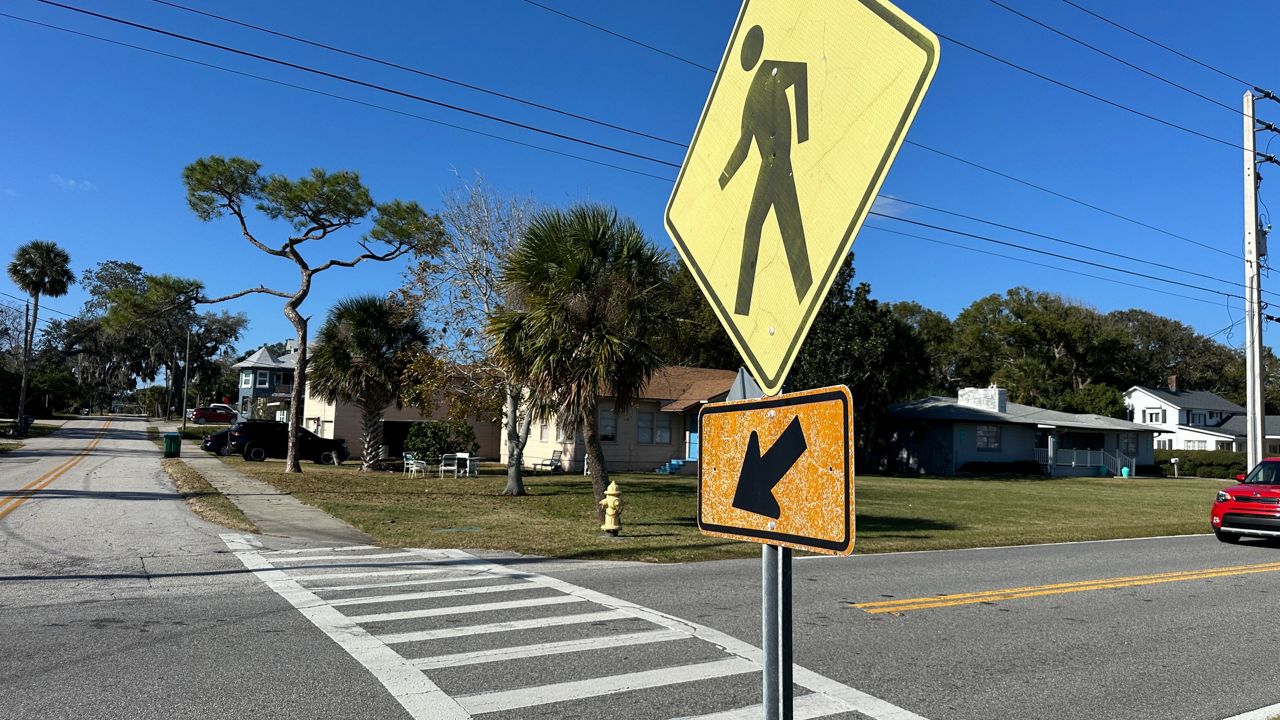
Pedestrian accidents are a serious concern in Fort Lauderdale and across Broward County. With busy intersections, heavy tourist traffic, and a growing number of people walking or biking in urban areas, pedestrians often share the road with fast-moving vehicles.
Unfortunately, when a pedestrian is struck by a vehicle, the injuries are often severe. Unlike drivers, pedestrians have no protective barriers such as seatbelts, airbags, or vehicle frames to absorb the force of a crash.
Many pedestrian accidents occur at intersections and crosswalks, where confusion about who has the right of way can lead to dangerous situations. Understanding crosswalk rights under Florida law can help pedestrians and drivers recognize their responsibilities and reduce the risk of accidents.
Why Pedestrian Accidents Are Common in Fort Lauderdale
Fort Lauderdale’s warm climate and pedestrian-friendly attractions encourage people to walk throughout the city. Areas near beaches, shopping districts, and downtown entertainment zones often see heavy foot traffic.
Busy roadways such as A1A, Sunrise Boulevard, Federal Highway, Las Olas Boulevard, and Broward Boulevard frequently involve both vehicle traffic and pedestrians.
Several factors contribute to pedestrian accidents in these areas, including:
- Drivers failing to yield at crosswalks
- Distracted driving
- Speeding near intersections
- Limited visibility at night
- Pedestrians crossing outside designated areas
When drivers fail to watch for pedestrians or ignore crosswalk signals, the risk of serious injury increases.
What Florida Law Says About Crosswalk Rights
Florida law clearly defines the rights and responsibilities of pedestrians and drivers at crosswalks.
Under Florida Statutes §316.130, drivers must yield the right of way to pedestrians within a marked crosswalk when the pedestrian is on the half of the roadway where the vehicle is traveling or approaching closely from the opposite side.
In practical terms, this means drivers must slow down or stop to allow pedestrians to cross safely when they are already within the crosswalk.
However, pedestrians must also follow certain safety rules and cannot step suddenly into traffic when a vehicle is too close to stop safely.
Types of Crosswalks in Fort Lauderdale
Crosswalks throughout Fort Lauderdale come in several forms, each with slightly different rules and expectations.
Marked Crosswalks
Marked crosswalks are the most recognizable type. These crossings are identified by painted lines on the roadway and often include pedestrian crossing signs or traffic signals.
Drivers are expected to yield to pedestrians using these crosswalks.
Signal-Controlled Crosswalks
Some intersections include pedestrian signals that display “Walk” and “Don’t Walk” indicators.
Pedestrians must obey these signals. Crossing against the signal may increase the risk of accidents and complicate liability in injury claims.
Unmarked Crosswalks
Even when crosswalk markings are not visible, Florida law still recognizes unmarked crosswalks at most intersections.
Drivers must still yield to pedestrians crossing within these areas.
Common Causes of Pedestrian Accidents
Several driver behaviors frequently contribute to pedestrian accidents in Fort Lauderdale.
Distracted Driving
Drivers who look at their phones, navigation systems, or other distractions may fail to notice pedestrians entering a crosswalk.
Even a moment of distraction can lead to a serious collision.
Speeding
Higher vehicle speeds reduce a driver’s ability to stop in time when a pedestrian enters the roadway.
Speeding also increases the severity of injuries when a collision occurs.
Florida’s speed laws are outlined in Florida Statutes §316.183, which requires drivers to travel at safe speeds based on road conditions.
Failure to Yield
Many pedestrian accidents occur when drivers fail to yield while making turns at intersections.
Drivers turning right or left may focus on oncoming traffic and overlook pedestrians already crossing the street.
Injuries Common in Pedestrian Accidents
Pedestrian crashes often result in severe injuries due to the lack of physical protection for pedestrians.
Common injuries may include:
- Traumatic brain injuries
- Broken bones
- Spinal cord injuries
- Internal organ damage
- Severe lacerations or abrasions
Recovery from these injuries may require long-term medical treatment, rehabilitation, and significant financial resources.
Florida’s No-Fault Insurance System
After a pedestrian accident, injured individuals may still receive benefits under Florida’s no-fault insurance system.
Under the Florida Motor Vehicle No-Fault Law, Personal Injury Protection (PIP) coverage may apply if the pedestrian owns a vehicle insured in Florida or lives with someone who does.
PIP benefits generally cover:
- 80% of medical expenses
- 60% of lost wages
- Up to $10,000 in benefits
Florida law requires injured individuals to seek medical treatment within 14 days of the accident to qualify for these benefits.
When Pedestrian Accident Victims Can File a Lawsuit
If injuries meet the criteria outlined in Florida Statutes §627.737, accident victims may pursue compensation beyond PIP benefits.
This may include damages for:
- Medical expenses
- Future treatment costs
- Lost wages
- Loss of earning capacity
- Pain and suffering
Because pedestrian injuries are often severe, many cases meet this threshold.
Comparative Fault in Pedestrian Cases
Florida follows a comparative negligence system under Florida Statutes §768.81.
This system allows fault to be shared between multiple parties.
For example:
- A driver may fail to yield at a crosswalk
- A pedestrian may cross against a signal
In such situations, responsibility may be divided between both parties. Compensation may be reduced based on the injured person’s percentage of fault.
Evidence Used in Pedestrian Accident Claims
Determining liability in pedestrian accidents often requires careful investigation.
Important evidence may include:
- Traffic camera footage
- Surveillance video from nearby businesses
- Witness statements
- Police reports
- Accident reconstruction analysis
- Photographs of the accident scene
This evidence helps clarify how the accident occurred and whether the driver failed to yield to the pedestrian.
Why Legal Representation Matters
Pedestrian accident cases often involve serious injuries and complex legal questions.
Insurance companies may attempt to argue that the pedestrian was partially responsible for the crash.
A Fort Lauderdale personal injury attorney can help by:
- Investigating the accident
- Gathering evidence from the scene
- Consulting medical and accident experts
- Negotiating with insurance companies
- Filing lawsuits when necessary
Most personal injury attorneys work on a contingency fee basis, meaning clients pay no upfront legal fees and attorneys are paid only if compensation is recovered.
Protecting Your Rights After a Fort Lauderdale Pedestrian Accident
Pedestrian accidents can have life-altering consequences. Understanding crosswalk rights and driver responsibilities under Florida law is an important step toward protecting yourself and others on the road.
If you were injured in a pedestrian accident in Fort Lauderdale, documenting the accident, seeking medical treatment, and preserving evidence can strengthen your claim.
Speaking with an experienced Fort Lauderdale personal injury attorney can help ensure that your rights are protected and that all available legal options are explored.
Most Fort Lauderdale personal injury law firms offer free consultations and no upfront fees, allowing injured victims to focus on recovery while their legal team works to pursue fair compensation.