
Fort Lauderdale Bike Collisions: Proving Driver Negligence
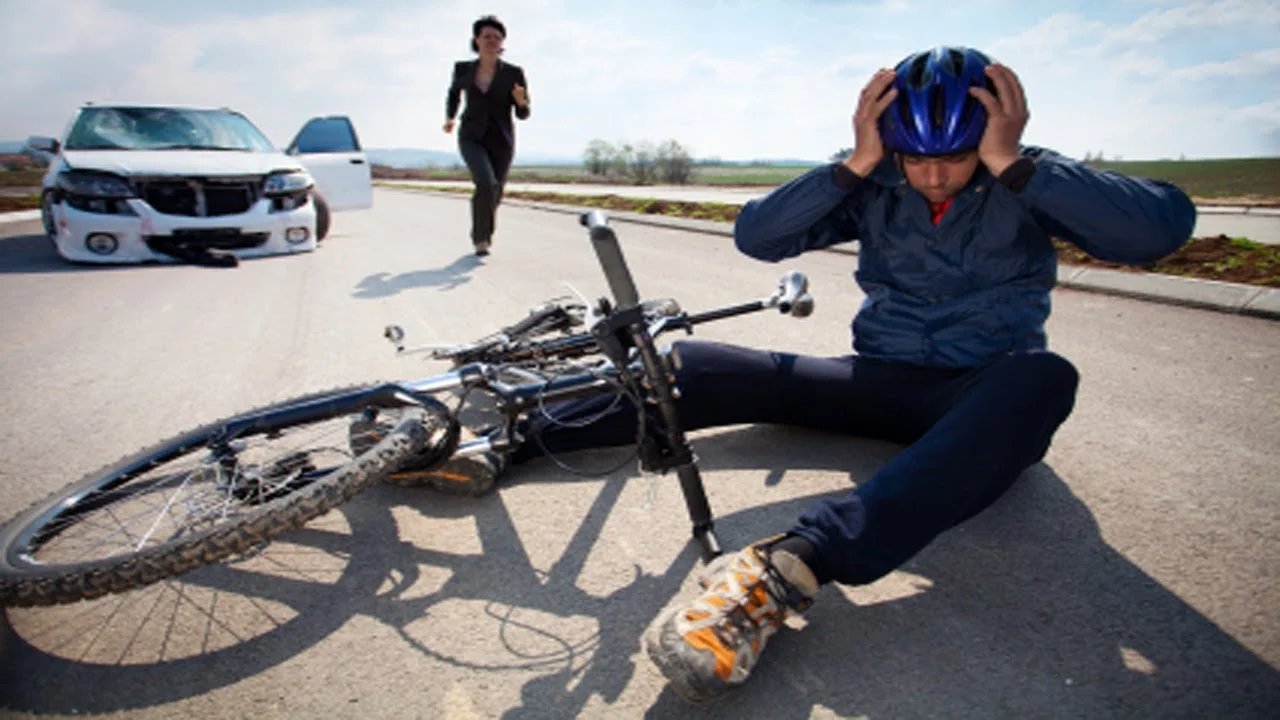
Bicycling is a popular way to commute, exercise, and enjoy the scenery in Fort Lauderdale. From the beachfront routes along A1A to busy corridors like Las Olas Boulevard, Sunrise Boulevard, and Federal Highway, cyclists share the road with thousands of vehicles every day.
While many drivers and cyclists travel safely together, bicycle collisions still occur throughout Broward County. Unfortunately, when a bicycle and a motor vehicle collide, the cyclist is almost always the one who suffers the most severe injuries.
Because cyclists have very little physical protection, even a relatively low-speed crash can lead to serious medical consequences. In many of these cases, proving driver negligence becomes the key to recovering compensation for medical expenses, lost wages, and other damages.
Understanding how negligence is proven in Fort Lauderdale bike collision cases can help injured cyclists protect their legal rights.
Why Bicycle Accidents Are So Dangerous
Unlike drivers inside a vehicle, cyclists have no protective frame, airbags, or seatbelts. When a car strikes a bicycle, the cyclist often absorbs the full force of the impact.
Even minor collisions can lead to injuries such as:
- Traumatic brain injuries
- Broken bones
- Spinal injuries
- Road rash and severe abrasions
- Internal injuries
In some cases, these injuries may require long-term rehabilitation or surgery.
Because the consequences of bicycle accidents can be severe, determining who caused the crash is extremely important.
What Negligence Means in Bicycle Accident Cases
In legal terms, negligence occurs when someone fails to act with reasonable care and causes harm to another person.
In Fort Lauderdale bicycle accident cases, proving negligence usually involves showing that:
- The driver owed a duty of care to the cyclist
- The driver breached that duty by acting carelessly
- The breach caused the accident
- The cyclist suffered injuries or damages as a result
Drivers share the road with cyclists and must operate their vehicles in a safe and responsible manner.
Under Florida Statutes §316.083, drivers must maintain a minimum three-foot distance when passing a bicycle.
Failing to follow this rule may be considered evidence of negligence.
Common Driver Behaviors That Lead to Bicycle Collisions
Several types of driver behavior frequently contribute to bicycle accidents in Fort Lauderdale.
Failure to Yield
Many bicycle accidents occur when drivers fail to yield the right of way to cyclists at intersections or while making turns.
Drivers turning right or left may overlook cyclists traveling in bike lanes or along the edge of the road.
Distracted Driving
Drivers who look at their phones, navigation systems, or other distractions may fail to notice cyclists nearby.
Because bicycles are smaller than vehicles, distracted drivers may not see them until it is too late.
Unsafe Passing
When drivers pass cyclists too closely, they may strike the rider or force them off the road.
Florida law requires drivers to provide a safe buffer when overtaking bicycles.
Dooring Incidents
“Dooring” accidents occur when a driver or passenger opens a vehicle door directly into the path of an approaching cyclist.
These accidents can cause cyclists to collide with the door or be thrown into traffic.
Evidence Used to Prove Driver Negligence
Proving negligence in a bicycle accident often requires gathering multiple types of evidence.
Several forms of evidence can help establish how the crash occurred.
Police Accident Reports
When law enforcement responds to a bicycle accident, officers typically prepare an accident report.
The report may include:
- Descriptions of the crash scene
- Statements from drivers and witnesses
- Traffic citations issued to drivers
- Diagrams showing the location of vehicles and bicycles
Police reports often serve as an important starting point for personal injury claims.
Witness Statements
Witnesses may provide valuable information about how the crash occurred.
They may describe whether the driver:
- Failed to yield
- Was speeding
- Was distracted
- Passed the cyclist too closely
Independent witness accounts can help support a cyclist’s claim.
Surveillance and Traffic Cameras
Many areas of Fort Lauderdale have surveillance cameras or traffic monitoring systems.
These cameras may capture:
- The moment of the crash
- The driver’s actions before the collision
- The cyclist’s position on the roadway
Video evidence can be extremely helpful when proving driver negligence.
Physical Evidence at the Scene
Investigators may examine physical evidence such as:
- Skid marks on the roadway
- Debris patterns
- Damage to the bicycle and vehicle
- The final resting position of the bicycle
This evidence may help reconstruct the events leading to the collision.
Florida’s No-Fault Insurance System and Cyclists
Florida operates under a no-fault insurance system, which means injury claims typically begin with Personal Injury Protection (PIP) coverage.
Under the Florida Motor Vehicle No-Fault Law, PIP benefits may cover:
- 80% of medical expenses
- 60% of lost wages
- Up to $10,000 in benefits
If a cyclist owns a vehicle with PIP coverage—or lives with someone who does—this coverage may apply after a bicycle accident.
Florida law requires injured individuals to seek medical treatment within 14 days of the accident to qualify for these benefits.
When Cyclists Can File a Personal Injury Claim
Many bicycle accidents result in injuries that exceed the limits of PIP coverage.
Under Florida Statutes §627.737, victims may pursue compensation when injuries involve:
- Permanent injury
- Significant loss of bodily function
- Permanent scarring or disfigurement
In these cases, injured cyclists may seek damages such as:
- Medical expenses
- Future treatment costs
- Lost wages
- Loss of earning capacity
- Pain and suffering
Comparative Fault in Bicycle Accident Cases
Florida uses a comparative negligence system under Florida Statutes §768.81.
This system allows fault to be shared between multiple parties.
For example:
- A driver may pass too closely
- A cyclist may fail to signal a turn
If both parties contributed to the accident, compensation may be reduced according to each party’s share of responsibility.
Why Legal Representation Matters
Bicycle accident cases often involve disputes between drivers and cyclists about how the crash occurred.
Insurance companies may attempt to argue that the cyclist was responsible for the accident.
A Fort Lauderdale personal injury attorney can help by:
- Investigating the accident thoroughly
- Gathering surveillance footage and witness statements
- Working with accident reconstruction experts
- Negotiating with insurance companies
- Filing lawsuits when necessary
Most personal injury attorneys work on a contingency fee basis, meaning clients pay no upfront legal fees and attorneys are paid only if compensation is recovered.
Protecting Your Rights After a Fort Lauderdale Bicycle Accident
Bicycle accidents can cause life-changing injuries and significant financial burdens. Proving driver negligence is often the key to recovering compensation for these losses.
If you were injured in a bicycle accident in Fort Lauderdale, taking steps such as documenting the crash scene, seeking medical care, and preserving evidence can strengthen your claim.
Speaking with an experienced Fort Lauderdale personal injury attorney can help ensure that the accident is thoroughly investigated and that your legal rights are protected.
Most Fort Lauderdale personal injury law firms offer free consultations and no upfront fees, allowing injured cyclists to focus on recovery while their legal team works to pursue fair compensation.