
Deerfield Beach Injury Claims: What to Document After a Crash
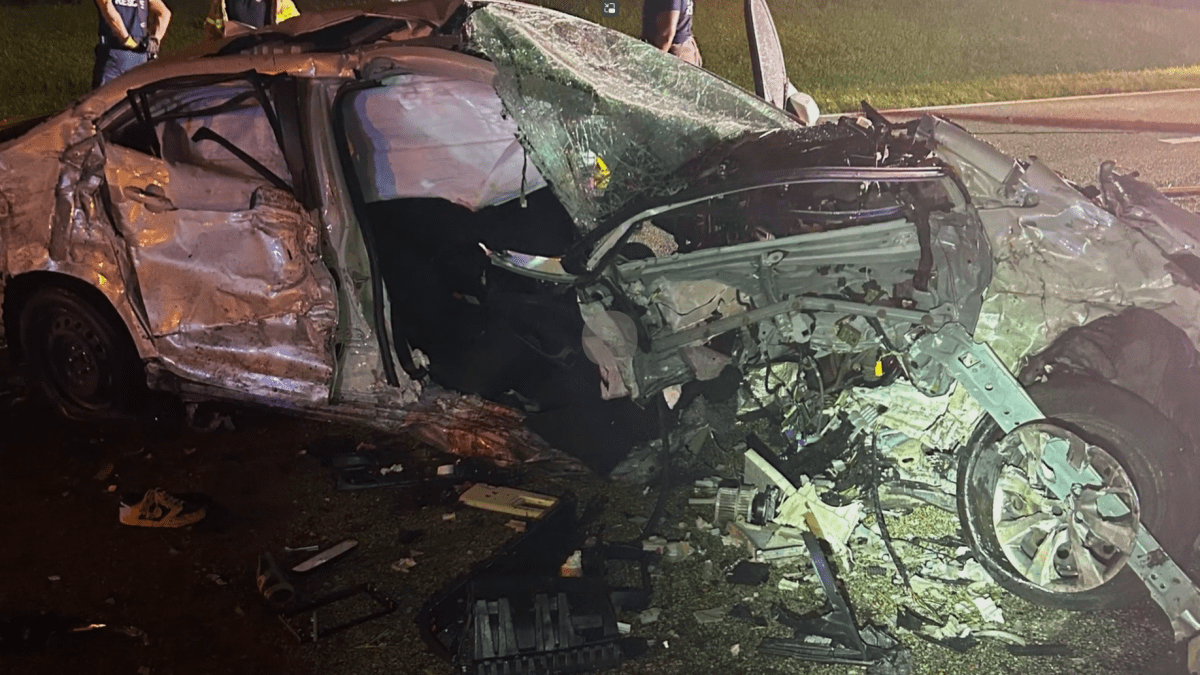
In Deerfield Beach, car accidents, slip-and-falls, and other injury events can turn your life upside down. If you plan to file an injury claim, thorough documentation immediately after the crash is critical. The information you collect can determine liability, support damages, and strengthen your case for full compensation.
This guide outlines exactly what Deerfield Beach accident victims should document, how to organize it, and why each piece of evidence matters.
Step 1: Immediate Actions After a Crash
After any accident, your priority is safety and medical attention:
- Move to safety – If possible, relocate vehicles or yourself away from traffic.
- Call 911 – Law enforcement and emergency medical services provide official documentation of the incident.
- Seek medical attention – Even minor injuries should be evaluated; untreated injuries can undermine a claim.
These actions not only protect you but also create formal records useful for insurance and legal purposes.
Step 2: Accident Scene Documentation
Capturing the scene immediately is crucial:
- Photographs and video – Take wide-angle shots of vehicles, road conditions, traffic signals, skid marks, debris, and surrounding area.
- Vehicle positions – Document final positions to clarify fault.
- Weather and lighting – Rain, glare, or poor visibility can affect liability determinations.
- Damage close-ups – Capture dents, scratches, broken glass, and airbags deployed.
- Traffic signs and signals – Highlight stop signs, traffic lights, or crosswalks that may have contributed.
Visual evidence serves as objective proof and is often decisive in accident claims.
Step 3: Collect Witness Information
Witness testimony can support your account of the crash:
- Names and contact info – Full name, phone, and email of anyone who observed the incident.
- Statements – Ask witnesses to provide a brief written or recorded account while details are fresh.
- Relation to accident – Note if they are independent or associated with any party.
Eyewitness accounts help establish liability and counter conflicting stories.
Step 4: Police Reports and Official Documentation
Police reports are critical in Florida injury claims:
- File a report immediately – Officers document the scene, gather statements, and may assign citations.
- Obtain a copy – Request the official crash report for your insurance company and attorney.
- Note report details – Officer observations, diagrams, and preliminary fault determinations.
Police records lend credibility to your version of events and help support claims.
Step 5: Medical Documentation
Injury documentation proves the existence, severity, and treatment of injuries:
- Emergency room records – Include triage notes, diagnosis, tests, and immediate care.
- Follow-up physician notes – Document ongoing treatment, progress, and limitations.
- Diagnostic imaging – X-rays, MRIs, CT scans, and lab results.
- Therapy records – Physical therapy, occupational therapy, and rehabilitation sessions.
- Prescriptions – Medications prescribed for pain, inflammation, or recovery.
Detailed medical evidence establishes causation and strengthens claims for damages.
Step 6: Personal Notes and Symptom Logs
Maintain a personal record of daily symptoms and recovery:
- Pain levels – Note severity and duration.
- Functional limitations – Track mobility issues, sleep disruptions, and ability to perform daily tasks.
- Impact on work and lifestyle – Record time missed, productivity changes, and emotional effects.
A personal journal provides context for non-economic damages like pain, suffering, and diminished quality of life.
Step 7: Financial Documentation
Lost income and expenses must be documented carefully:
- Pay stubs and tax returns – Show lost wages if unable to work.
- Time-off requests – Sick leave or unpaid leave used due to injury.
- Receipts for medical expenses – Co-pays, medications, therapy, and equipment.
- Transportation costs – Travel to appointments or therapy sessions.
- Property damage costs – Vehicle repairs, rental cars, or replacement items.
Organized financial records support economic damages and prevent disputes with insurers.
Step 8: Vehicle and Property Evidence
Damage documentation strengthens claims:
- Repair estimates – From certified mechanics or collision centers.
- Photos before and after repair – Show extent of damage and repair quality.
- Receipts – Parts, rental vehicles, or alternate transportation costs.
- Vehicle condition – Note pre-existing damage to avoid disputes over new vs. old damage.
Clear property evidence helps ensure compensation for all tangible losses.
Step 9: Insurance Information
Exchange and record insurance details at the scene:
- Driver’s license and insurance card – Policy number, provider, and contact information.
- Vehicle registration – Confirms ownership and coverage.
- Insurance adjuster contacts – Maintain notes of communications, dates, and offers.
- Policy limits – Understanding limits early helps manage expectations.
Accurate insurance information is crucial for efficient claim processing.
Step 10: Digital Evidence
Modern technology can enhance documentation:
- Dashcam footage – Shows real-time accident events.
- Smartphone video – Panoramic shots of scene, vehicles, and damages.
- GPS data – Confirms speed, route, or location.
- Text messages or emails – Relevant communications regarding the accident.
Digital evidence can bolster credibility and provide objective verification.
Step 11: Organizing Evidence
Proper organization is key:
- Create folders or binders – Separate medical, financial, and accident evidence.
- Chronological order – Helps attorneys and insurers understand the sequence of events.
- Backups – Digital copies on cloud storage prevent loss.
- Label clearly – Dates, descriptions, and source of documents.
Well-organized records make negotiation or litigation more efficient and persuasive.
Step 12: Avoid Common Documentation Mistakes
- Delaying medical care – Weakens causation claims.
- Incomplete records – Missing receipts, pay stubs, or witness contacts reduce credibility.
- Inconsistent reporting – Conflicting statements about injuries or accident details harm your case.
- Discarding evidence – Photos, videos, or physical evidence lost early cannot be recreated.
- Social media posts – Publicly posting activities inconsistent with injuries can undermine claims.
Avoiding these mistakes ensures strong and defensible documentation.
Step 13: Legal Assistance Enhances Documentation
Deerfield Beach injury attorneys help:
- Guide evidence collection – Ensuring completeness and relevance.
- Coordinate with medical providers – Obtain records and diagnostic results promptly.
- Verify documentation meets legal standards – Ensures admissibility.
- Advise on witness and expert testimony – Reinforces liability and damages claims.
- Present organized evidence – In negotiations or trial for maximum settlement.
Professional guidance strengthens your case and protects your legal rights.
Step 14: Bottom Line
Effective documentation after a Deerfield Beach crash includes:
- Accident scene photos and videos – Capture context, positions, and conditions.
- Witness information – Names, contact details, and statements.
- Police and official reports – Provide formal, objective documentation.
- Medical records and diagnostic imaging – Establish injuries and causation.
- Personal logs of symptoms and limitations – Support non-economic damages.
- Financial records – Lost wages, medical costs, and property damages.
- Insurance information – Policies, contacts, and claims details.
- Digital evidence – Dashcam footage, GPS, and communications.
- Organized evidence system – Chronological and well-labeled for clarity.
Thorough documentation protects your rights, strengthens negotiations, and increases the likelihood of full compensation.
Key Takeaways
- Immediate action, scene documentation, and medical care form the foundation of a strong claim.
- Personal, financial, and property records support economic and non-economic damages.
- Witness statements and police reports bolster liability and credibility.
- Organized, comprehensive records facilitate negotiations, mediation, or trial success.
- Early attorney involvement guides collection and presentation, maximizing recovery potential.
Accident victims in Deerfield Beach who document thoroughly after a crash are better positioned to prove their claim, counter insurance challenges, and secure fair compensation.