
Deerfield Beach Claims: Evidence That Proves Liability
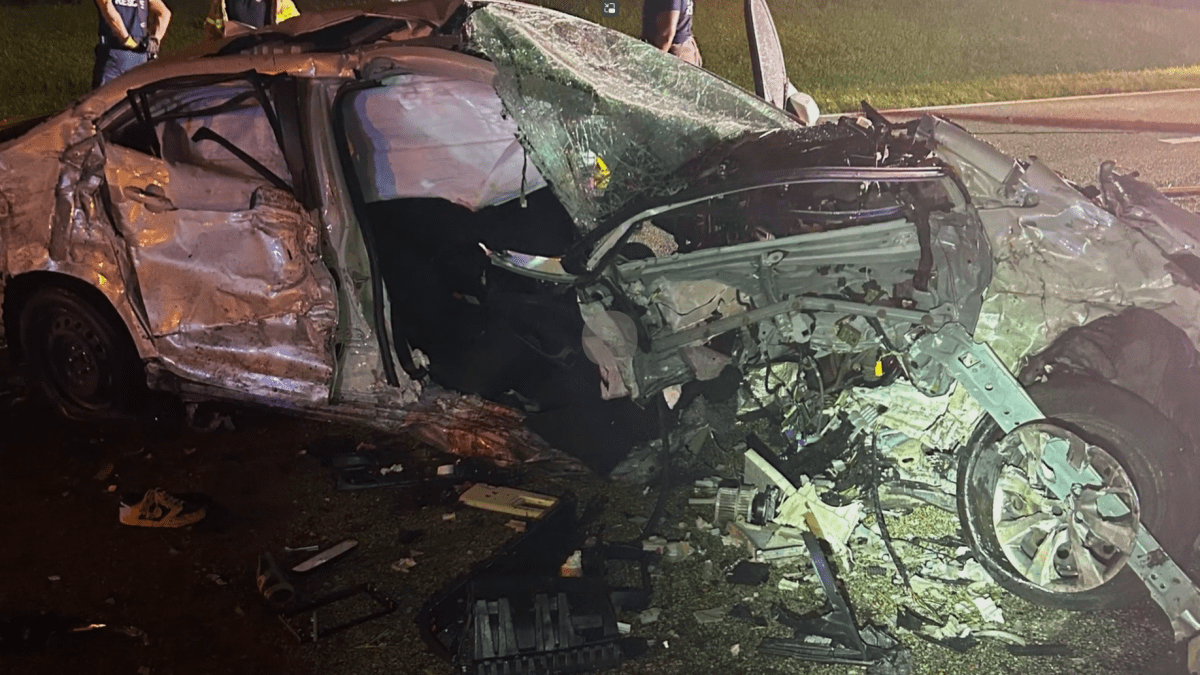
For accident victims in Deerfield Beach, proving liability is the cornerstone of a successful personal injury claim. Without clear evidence that another party was at fault, your chances of recovering damages—medical costs, lost wages, and pain and suffering—can be severely limited. Liability evidence establishes who caused the accident, how it happened, and why the other party is responsible.
This guide explains the types of evidence that prove liability in Deerfield Beach claims, how to collect it properly, and how it strengthens your case.
Step 1: Understanding Liability in Florida Claims
Florida follows a comparative negligence system, meaning:
- Fault can be shared – Even if you are partially responsible, your compensation may be reduced proportionally.
- Clear evidence increases recovery – The more indisputable the other party’s negligence, the stronger your claim.
- Documentation matters – Insurance companies and courts require detailed proof, not just claims.
Understanding these rules helps victims target the evidence that matters most.
Step 2: Accident Scene Documentation
The accident scene is often the most immediate source of liability evidence:
- Photographs – Capture vehicle positions, road conditions, traffic signs, skid marks, debris, and environmental factors.
- Video recordings – Use dashcams, surveillance, or smartphone footage to show the sequence of events.
- Environmental conditions – Weather, lighting, and road hazards can illustrate contributing factors.
- Traffic control devices – Stop signs, traffic lights, and crosswalks should be photographed to show whether they were properly followed.
Visual documentation provides an objective record that supports your version of events.
Step 3: Witness Statements
Eyewitness accounts are powerful in proving liability:
- Collect contact information – Name, phone, and email of anyone who observed the accident.
- Independent observations – Neutral witnesses carry more weight than friends or family.
- Detailed accounts – Ask witnesses to describe what they saw, including the actions of each party leading up to the crash.
- Consistent reporting – Encourage witnesses to provide statements promptly, while memories are fresh.
Witness testimony can corroborate your version of events and counter the opposing party’s claims.
Step 4: Police Reports
Police involvement is often critical:
- Official accident report – Law enforcement documents the scene, gathers statements, and may issue citations.
- Diagram of crash – Shows vehicle positions and directions.
- Preliminary fault indications – Citations or findings can influence liability determinations.
- Officer observations – Statements about visibility, speed, and road conditions lend credibility.
Police records serve as formal evidence that insurance companies and courts rely on heavily.
Step 5: Vehicle Damage and Forensic Evidence
The condition of vehicles and objects involved can prove negligence:
- Damage assessment – Photos and repair estimates illustrate point of impact and severity.
- Skid marks and impact analysis – Indicate speed, braking, and collision dynamics.
- Expert reconstruction – Accident reconstruction specialists can determine cause, sequence, and contributing factors.
- Mechanical inspections – Malfunctions (brakes, tires, signals) may demonstrate additional liability.
Physical and forensic evidence pinpoints causation and supports your claim.
Step 6: Medical Records and Causation Evidence
Medical documentation can link injuries directly to the accident:
- Emergency and follow-up records – Note diagnosis, treatment, and causation.
- Diagnostic imaging – X-rays, MRIs, and CT scans provide objective proof of injury.
- Specialist reports – Orthopedic or neurologic assessments strengthen claims of causation.
- Treatment logs – Therapy, rehabilitation, and ongoing care show the accident’s impact.
Medical evidence is especially useful when liability is disputed, tying damages to the incident clearly.
Step 7: Digital Evidence
Technology can help establish fault:
- Dashcam or smartphone video – Captures traffic violations or reckless behavior.
- GPS data – Confirms vehicle speed and location at the time of the crash.
- Social media or app records – Texts, messages, or posts may show negligence (e.g., distracted driving).
- Security camera footage – Businesses, traffic cameras, or nearby homes often have useful recordings.
Digital records offer objective, time-stamped proof that can be difficult for the other side to contest.
Step 8: Insurance and Legal Documentation
Your claim’s strength depends on properly handled paperwork:
- Insurance policy details – Coverage limits, liability clauses, and contact info.
- Correspondence with insurers – Keep all written communications, including offers, refusals, and demands.
- Official citations – Traffic tickets issued after the accident are admissible evidence of negligence.
- Prior claims or complaints – May demonstrate a pattern of negligence if relevant.
Well-documented insurance interactions demonstrate diligence and credibility.
Step 9: Establishing Comparative Negligence
In Florida, fault can be shared:
- Proving minimal fault on your side – Documentation and witness statements help show you were not negligent or contributed minimally.
- Highlighting other party’s violations – Running red lights, speeding, or distracted driving strengthens your liability claim.
- Expert analysis – Accident reconstruction or traffic engineering experts can clarify fault percentages.
Accurate evidence ensures your compensation is not unfairly reduced.
Step 10: Organizing and Preserving Evidence
Proper evidence management is crucial:
- Chronological order – Keep records of photos, medical visits, and communication.
- Backups – Digital copies prevent loss of photos, videos, or documents.
- Labeling – Include dates, names, and descriptions.
- Secure storage – Protect physical documents from damage or misplacement.
Organized evidence streamlines settlement negotiations or court proceedings.
Step 11: Avoiding Common Liability Pitfalls
- Delayed reporting – Late accident reports weaken credibility.
- Incomplete documentation – Missing photos, witness info, or medical records undermine claims.
- Social media mistakes – Posting contradicting information can be used against you.
- Ignoring minor damages – Small evidence (scratches, debris) may prove negligence.
- Failing to consult experts – Accident reconstruction or medical specialists may be needed to establish fault clearly.
Avoiding these mistakes protects the strength and clarity of your claim.
Step 12: Role of Legal Assistance
A Deerfield Beach injury attorney helps maximize liability evidence:
- Guides evidence collection – Ensures completeness and relevance.
- Coordinates expert opinions – Medical, forensic, and reconstruction specialists provide authoritative proof.
- Prepares documentation for insurers and courts – Organizes exhibits, reports, and written statements.
- Navigates discovery and depositions – Protects against delays and strengthens claims.
- Negotiates effectively – Uses strong liability evidence to leverage fair settlements.
Legal guidance increases likelihood of proving fault and securing full compensation.
Step 13: Bottom Line
Proving liability in Deerfield Beach injury claims requires:
- Scene documentation – Photos, videos, and environmental details.
- Witness testimony – Independent accounts supporting your version of events.
- Police and official reports – Formal evidence and citations.
- Vehicle and forensic evidence – Damage analysis, skid marks, and accident reconstruction.
- Medical records – Linking injuries directly to the accident.
- Digital evidence – Dashcams, GPS, security footage, and communications.
- Insurance and legal records – Correspondence, policy details, and documentation of prior violations.
- Comparative negligence evidence – Demonstrates your limited fault versus the other party.
- Organized presentation – Clear, chronological, and well-labeled records.
Collecting and presenting these types of evidence strengthens your case, proves fault, and maximizes potential recovery.
Key Takeaways
- Liability is the foundation of Deerfield Beach injury claims; without proof, damages may be denied.
- Immediate scene documentation and witness collection preserve crucial evidence.
- Police reports and citations provide formal recognition of fault.
- Medical and digital records tie injuries to the accident and clarify causation.
- Organized, well-documented evidence simplifies settlement negotiations or trial preparation.
- Legal representation ensures all relevant evidence is collected, preserved, and effectively presented.
Accident victims who systematically collect and manage liability evidence are better positioned to secure fair compensation and counter insurance disputes.