
Why Delayed Medical Treatment Can Hurt Injury Claims in Fort Lauderdale
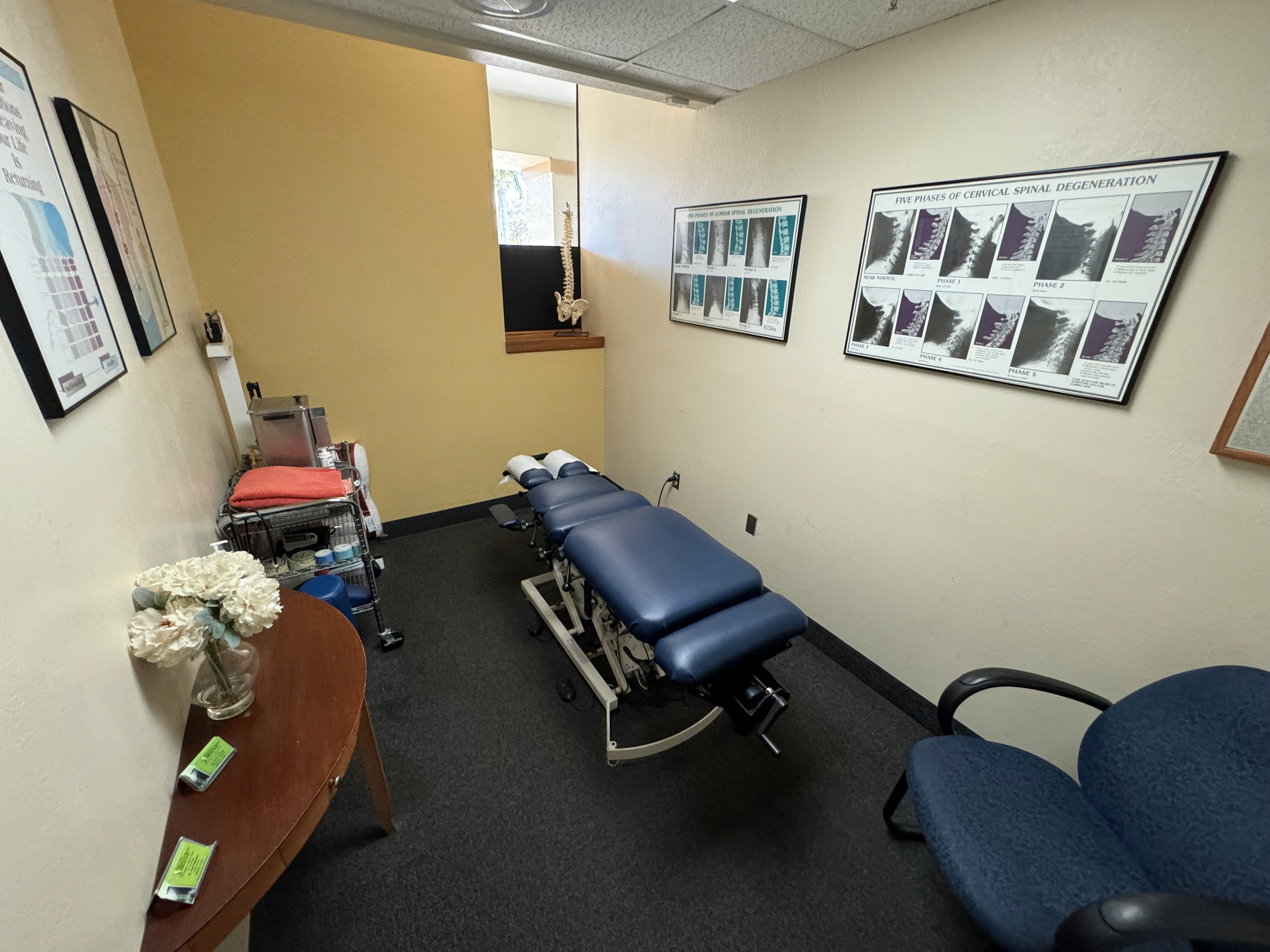
After an accident in Fort Lauderdale, one of the most common mistakes injury victims make is delaying medical treatment. Whether it’s a car accident on Sunrise Boulevard, a slip and fall in a local business, or a workplace injury, postponing care can have serious consequences—not only for your health but also for your personal injury claim. Insurance companies and courts closely examine medical records to establish causation, injury severity, and treatment necessity. Delays can weaken your claim, reduce compensation, or even lead to denial.
This article explains why timely medical care is critical, how delayed treatment affects injury claims in Fort Lauderdale, and why working with a personal injury lawyer is essential to protect your rights.
The Importance of Prompt Medical Treatment
Immediate medical attention after an accident serves several critical purposes:
- Documenting injuries: Medical records provide official proof that your injuries are real and directly linked to the accident.
- Establishing causation: Early treatment clearly connects your injuries to the incident, rather than pre-existing conditions.
- Protecting health: Prompt care can prevent complications, worsening injuries, or chronic conditions.
- Supporting insurance claims: Insurers rely heavily on medical documentation when evaluating compensation.
Failing to seek treatment promptly creates gaps that can be exploited by insurance companies and opposing parties.
How Delayed Treatment Can Harm a Personal Injury Claim
Insurance adjusters and defense attorneys scrutinize timelines. Delayed medical care can negatively impact a claim in several ways:
1. Questioning Injury Severity
Insurance companies often argue that if an injury were serious, the victim would have sought treatment immediately. A delay of days or weeks may be interpreted as:
- The injury being minor or not accident-related
- Exaggeration of symptoms
- Lack of urgency in seeking recovery
This perception can reduce the settlement amount or result in a denied claim.
2. Breaking the Causal Link
Medical records establish a direct connection between the accident and your injuries. A delay in treatment can create ambiguity:
- Insurers may claim the injury was caused by another event or pre-existing condition
- Lawyers for the opposing party may use the gap to argue weakened causation
Timely documentation ensures a clear chain of evidence linking the accident to your injuries.
3. Limiting Available Evidence
Early medical evaluation often uncovers injuries that may not be immediately obvious, such as:
- Soft tissue damage
- Whiplash
- Concussions or internal injuries
Delaying care can make these injuries harder to diagnose, treat, or document, potentially limiting your ability to claim full compensation.
4. Affecting Future Treatment Claims
Delayed care can complicate claims for long-term rehabilitation or chronic pain. Insurance companies may argue that your injuries worsened due to lack of treatment rather than the accident itself, which can reduce future compensation.
Types of Medical Evidence That Strengthen Claims
Seeking prompt medical care ensures comprehensive records, which strengthen your Fort Lauderdale personal injury claim:
1. Emergency Room or Urgent Care Records
ER or urgent care documentation provides immediate evidence of:
- Accident-related injuries
- Initial assessments by healthcare professionals
- Treatment administered and follow-up recommendations
These records are often the first documentation insurers review when evaluating liability and damages.
2. Doctor and Specialist Visits
Continued treatment with primary care physicians or specialists demonstrates:
- Ongoing medical necessity
- The seriousness of injuries
- Compliance with prescribed care, which strengthens credibility with insurers
Specialists such as orthopedic surgeons, neurologists, or chiropractors can provide detailed assessments that are critical for complex injuries.
3. Diagnostic Imaging
X-rays, MRIs, CT scans, and other tests provide objective evidence of injuries. Imaging results can:
- Confirm structural damage like fractures, herniated discs, or ligament tears
- Establish the severity of soft tissue injuries
- Support claims for surgery, rehabilitation, or long-term care
Without prompt treatment, insurers may argue that injuries were self-limiting or unrelated to the accident.
4. Physical Therapy and Rehabilitation Records
Documenting therapy sessions and progress helps establish:
- The recovery process and limitations
- Ongoing medical costs
- Pain and suffering for non-economic damages
These records also provide evidence of your commitment to recovery, strengthening credibility.
5. Future Treatment Plans
Physicians can outline anticipated procedures, ongoing therapy, or lifestyle accommodations. Early documentation of future needs:
- Supports claims for long-term medical expenses
- Justifies higher settlement amounts for catastrophic injuries
- Prevents insurers from undervaluing future costs
Insurance Companies and Delayed Treatment
Insurance adjusters often use delayed treatment as a tactic to reduce payout:
- Claiming injuries were minor or unrelated
- Suggesting symptoms are exaggerated
- Arguing that the accident had minimal impact on your health
- Reducing settlement offers or disputing ongoing care costs
Prompt medical documentation counters these tactics by showing the legitimacy, severity, and accident-related nature of your injuries.
Legal Considerations in Fort Lauderdale
Florida personal injury law requires proof of both fault and damages. Medical records are essential to:
- Demonstrate the extent of economic damages (medical bills, lost wages)
- Support non-economic damages (pain and suffering, emotional distress)
- Meet legal deadlines under Florida Statute §95.11 for personal injury claims
Delaying medical treatment can create legal vulnerabilities by weakening your evidence and giving opposing parties leverage to dispute your claim.
Working With a Fort Lauderdale Personal Injury Lawyer
A skilled personal injury attorney helps mitigate the risks associated with delayed treatment:
- Immediate guidance: Advising victims to seek medical care promptly after an accident.
- Medical coordination: Working with physicians, specialists, and therapists to document injuries thoroughly.
- Evidence collection: Ensuring all records, imaging, and treatment notes are obtained and preserved.
- Insurance negotiations: Using documentation to counter lowball offers and maximize compensation.
- Trial preparation: Presenting medical evidence clearly to demonstrate causation and damages.
Early legal involvement ensures that your medical treatment is documented correctly and strategically supports your claim.
Case Example: Car Accident in Fort Lauderdale
A driver was rear-ended on I-95 but delayed visiting a doctor for two weeks:
- Insurance company initially questioned whether injuries were accident-related
- Medical evaluation revealed whiplash, a fractured collarbone, and soft tissue damage
- Attorney coordinated additional imaging and therapy documentation
- Settlement after legal intervention: $95,000 compared to an initial offer of $12,000
This demonstrates how prompt and thorough medical documentation can protect your claim from being devalued.
Best Practices After an Accident
To protect your Fort Lauderdale injury claim, follow these guidelines:
- Seek medical attention immediately, even if injuries seem minor
- Keep all medical records from every visit, test, and prescription
- Document ongoing symptoms and therapy progress
- Avoid delaying treatment for convenience or insurance concerns
- Consult a personal injury lawyer as soon as possible to coordinate care and evidence collection
Following these steps strengthens your claim and ensures that insurers cannot exploit delays to minimize compensation.
Conclusion
Delayed medical treatment can significantly undermine personal injury claims in Fort Lauderdale. Insurers may question the legitimacy of injuries, dispute causation, or undervalue damages if care is postponed.
Prompt, thorough, and ongoing medical documentation is essential to:
- Establish the link between your injuries and the accident
- Demonstrate the severity of your condition
- Support claims for current and future medical expenses
- Bolster credibility with insurance adjusters or courts
By seeking immediate treatment and working with a Fort Lauderdale personal injury attorney, victims can safeguard their health, strengthen their claims, and maximize compensation.