
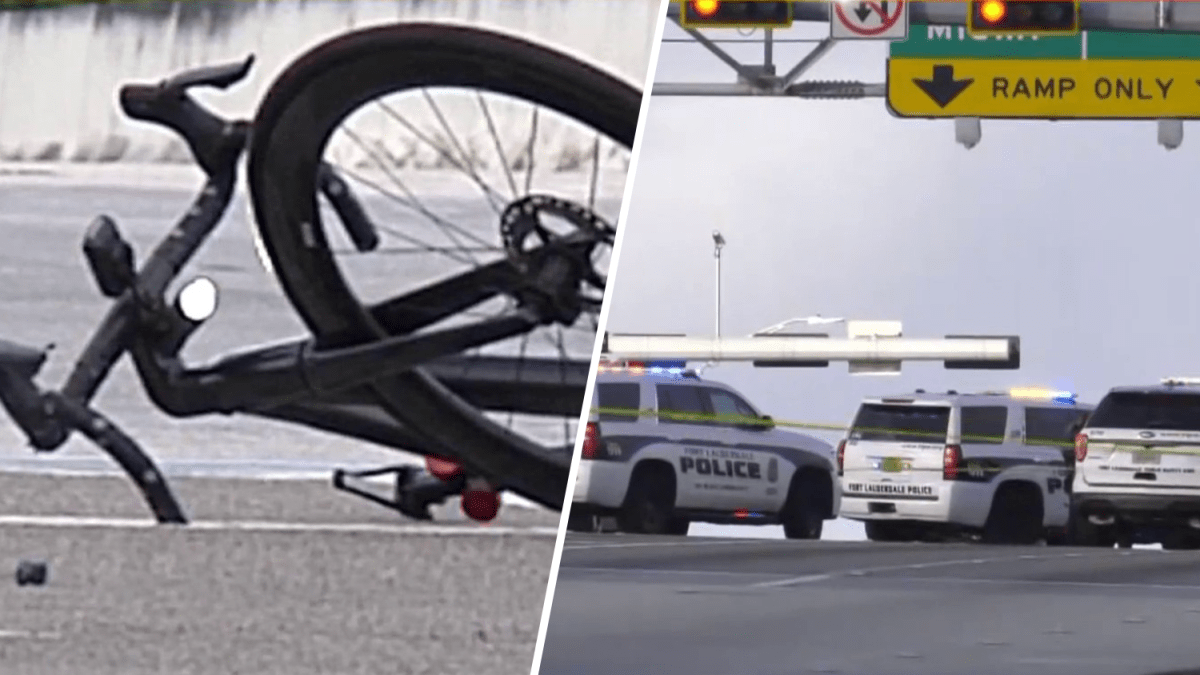
Who Is Liable for Bicycle Accidents in Fort Lauderdale?
After a bicycle accident in Fort Lauderdale, one question usually comes up right away: who is legally responsible for what happened? Liability determines who pays for medical bills, lost income, future care, and the long-term impact of the injuries. In bicycle accident cases, the answer is often more complex than many people expect.
Understanding who is liable for bicycle accidents in Fort Lauderdale can help injured cyclists protect their rights and avoid unfair blame from insurance companies.
Why Liability Matters So Much in Bicycle Accident Cases
Bicycle accidents often result in serious injuries because cyclists have little physical protection. Even a low-speed collision can lead to broken bones, head injuries, or permanent disability. Because these claims can involve significant compensation, insurance companies work aggressively to dispute fault.
Identifying every responsible party is critical to recovering fair compensation.
Negligent Drivers Are Commonly Liable
In many Fort Lauderdale bicycle accidents, the driver of a motor vehicle is the primary at-fault party.
Drivers may be liable when they:
- Fail to yield at intersections or crosswalks
- Turn across bike lanes without checking for cyclists
- Speed or drive aggressively
- Drive distracted by phones or navigation apps
- Operate a vehicle under the influence
Florida law requires drivers to share the road and exercise due care around cyclists. When drivers ignore this duty, liability often follows.
Intersection and Turning Accidents
Intersections are among the most dangerous locations for cyclists in Fort Lauderdale.
Common liability scenarios include:
- Right-hook crashes when drivers turn across bike lanes
- Left-turn collisions where drivers misjudge a cyclist’s speed
- Rolling through stop signs or red lights
These accidents frequently occur on busy roads like Broward Boulevard, Sunrise Boulevard, Federal Highway (US-1), and A1A.
Comparative Negligence and Shared Fault
Florida follows a comparative negligence system, which means fault can be shared between parties.
Insurance companies often argue that a cyclist:
- Was outside the bike lane
- Failed to obey traffic signals
- Was riding unpredictably or too fast
- Was not visible
Even if a cyclist shares some responsibility, compensation may still be available. Insurers often exaggerate cyclist fault to reduce payouts.
Rideshare Drivers and Liability Issues
Bicycle accidents involving Uber or Lyft drivers add another layer of complexity.
Liability depends on whether the driver was:
- Logged into the app
- Actively transporting a passenger
- En route to pick up a rider
Different insurance policies may apply depending on the driver’s status at the time of the crash.
Commercial Vehicles and Employer Responsibility
If a bicycle accident involves a delivery truck, work van, or service vehicle, liability may extend beyond the driver.
Employers may be liable if:
- The driver was working at the time of the crash
- Poor training or supervision contributed
- Unsafe schedules encouraged reckless driving
These cases often involve higher insurance limits but more aggressive defense strategies.
Government and Roadway Liability
Some bicycle accidents occur due to unsafe road conditions rather than driver behavior alone.
Potentially liable entities may include:
- City or county agencies responsible for road design
- Poorly marked or maintained bike lanes
- Dangerous intersections or signal timing issues
- Construction zones without proper warnings
Claims involving government entities follow special rules and shorter deadlines under Florida law.
Property Owner Liability in Certain Situations
In some cases, private property owners may share responsibility.
Examples include:
- Unsafe driveway entrances crossing bike paths
- Obstructed visibility due to landscaping
- Poor lighting in parking lots or commercial areas
Liability depends on maintenance responsibilities and location-specific factors.
Defective Bicycle or Vehicle Components
Although less common, some bicycle accidents involve equipment failure.
Potentially liable parties may include:
- Bicycle manufacturers
- Parts manufacturers
- Repair or maintenance providers
Brake failures, steering defects, or faulty components can contribute to serious crashes.
How Florida Insurance Laws Affect Bicycle Accident Liability
Florida’s no-fault insurance system adds complexity to bicycle accident claims.
Important points include:
- Personal Injury Protection (PIP) may apply even if you were cycling
- PIP benefits are limited and often insufficient for serious injuries
- Severe injuries may allow claims beyond no-fault coverage
Understanding how these rules interact with liability is essential for fair compensation.
Evidence Used to Prove Liability
Establishing liability in bicycle accident cases often relies on strong evidence, such as:
- Police accident reports
- Witness statements
- Traffic or surveillance camera footage
- Accident reconstruction analysis
- Medical records linking injuries to the crash
Evidence can disappear quickly on busy Fort Lauderdale roads, making early action important.
Why Liability Is Often Disputed in Bicycle Cases
Insurance companies frequently dispute liability in bicycle accident claims because:
- Injuries are often severe and costly
- Cyclists are easier to blame unfairly
- Many drivers misunderstand cyclist rights
Without a thorough investigation, insurers may shift blame onto injured cyclists.
Final Thoughts
Liability for bicycle accidents in Fort Lauderdale is rarely straightforward. Drivers, employers, rideshare companies, property owners, or even government entities may share responsibility depending on how the crash occurred.