
What Victims Should Document After an Accident in Fort Lauderdale
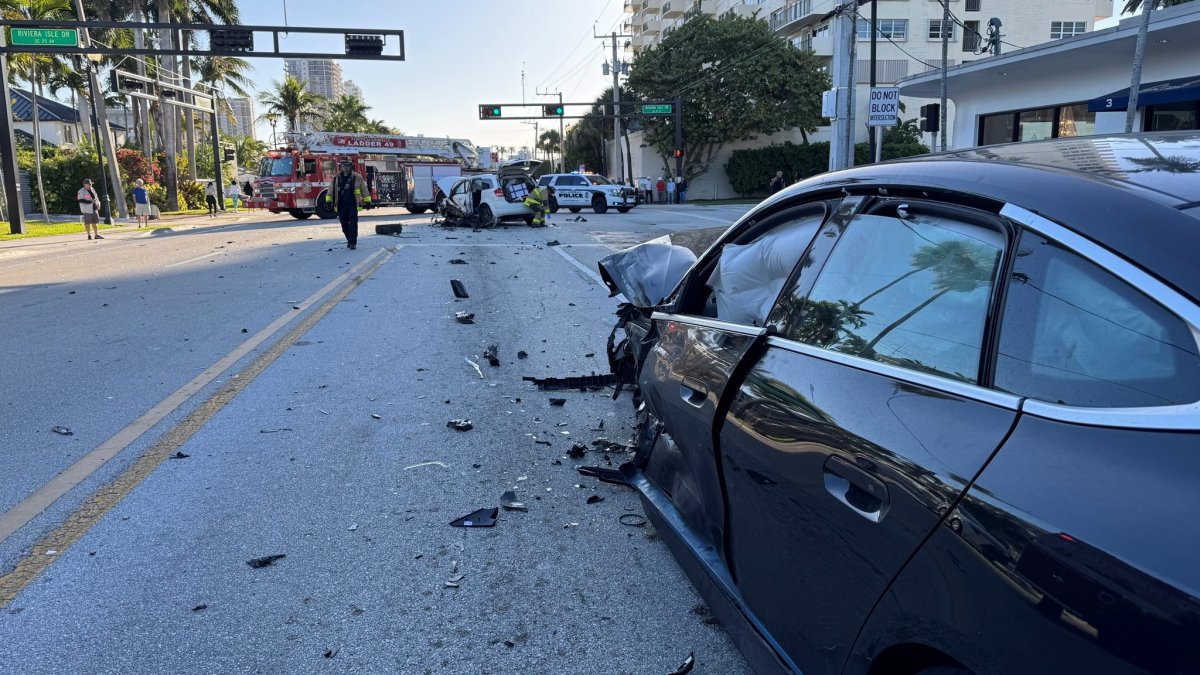
If you’ve been injured in a crash or serious accident, knowing what victims should document after an accident in Fort Lauderdale can significantly impact your ability to recover compensation.
In South Florida, accidents happen every day—on I-95, I-595, Sunrise Boulevard, Federal Highway, and busy intersections throughout Broward County. But what many victims don’t realize is that what you do in the first hours and days after an accident can determine whether your claim succeeds or struggles.
Insurance companies build cases immediately.
You should too.
Proper documentation protects your health, your legal rights, and your financial future.
Why Documentation Matters in Florida Injury Claims
Florida follows a modified comparative negligence rule under Florida Statute §768.81. If you are found partially at fault, your compensation is reduced. If you are more than 50% responsible, you may recover nothing.
Insurance companies look for ways to shift blame.
Without documentation, it becomes your word against theirs.
Strong evidence helps prove:
- How the accident occurred
- Who was at fault
- The severity of your injuries
- The financial losses you suffered
The more organized and thorough your documentation, the stronger your case.
Document the Accident Scene Immediately
If you are physically able, begin documenting the scene right away.
Take Photographs and Video
Use your phone to capture:
- Vehicle positions
- Damage to all vehicles involved
- Skid marks on the road
- Traffic signals and signs
- Road conditions
- Weather conditions
- Debris or hazards
In Fort Lauderdale, many intersections and commercial areas—such as Las Olas Boulevard or areas near Plantation and Sunrise—have surveillance cameras. But you should never assume footage will be preserved.
Your own photos may become critical evidence.
Capture the Surrounding Area
Include wide-angle shots showing:
- Lane markings
- Crosswalks
- Traffic flow
- Construction zones
- Obstructed views
In pedestrian or bicycle accidents, documenting crosswalk signals or bike lane markings can be especially important.
Get Contact Information From Everyone Involved
Exchange information with:
- Drivers
- Passengers
- Witnesses
Make sure to collect:
- Full names
- Phone numbers
- Addresses
- Driver’s license numbers
- Insurance information
- License plate numbers
Witnesses often leave quickly. If you don’t gather their contact details at the scene, it may be impossible to find them later.
Independent witnesses can significantly strengthen your case, especially if liability is disputed.
Call Law Enforcement and Obtain a Police Report
Always call 911 after a car accident in Fort Lauderdale, Hollywood, Coral Springs, or anywhere in Broward County.
The responding officer will create an official crash report that includes:
- Statements from drivers and witnesses
- Initial fault assessment
- Road and weather conditions
- Citations issued
Ask the officer how to obtain a copy of the report. This document often plays a major role in insurance negotiations.
Never assume the other driver will “handle it privately.” Without a police report, proving fault becomes much harder.
Document Your Injuries Immediately
Even if your injuries seem minor, document them.
Take Photos of Visible Injuries
Photograph:
- Bruises
- Cuts
- Swelling
- Burns
- Scrapes
- Casts or medical devices
Take photos immediately and continue documenting changes as injuries evolve.
Bruising, for example, often darkens and spreads over several days.
Write Down Your Symptoms
Start a written record detailing:
- Pain levels
- Headaches
- Dizziness
- Numbness or tingling
- Emotional distress
- Sleep disruption
Be specific. Instead of writing “neck hurts,” describe:
“Sharp pain when turning head to the left. Difficulty sleeping due to stiffness.”
These notes can support your medical records later.
Seek Medical Treatment and Keep Every Record
Florida’s Personal Injury Protection (PIP) law requires you to seek medical treatment within 14 days of a car accident to qualify for benefits.
If you delay care, insurance companies may argue:
- You weren’t seriously injured
- Your injuries happened elsewhere
- Your pain is unrelated
Keep copies of:
- Emergency room records
- Doctor’s notes
- Imaging results (MRI, X-ray, CT scan)
- Prescriptions
- Physical therapy records
- Medical bills
Your medical documentation is the foundation of your injury claim.
Track All Medical Appointments
Create a file that includes:
- Appointment dates
- Provider names
- Treatment recommendations
- Follow-up instructions
Do not skip appointments.
Insurance companies often argue that missed treatment indicates your injuries are not serious.
Consistency in care shows you are taking your recovery seriously.
Document Lost Wages and Work Impact
If your injuries prevent you from working in Fort Lauderdale, Davie, Pompano Beach, or elsewhere in South Florida, document the financial impact.
Keep:
- Pay stubs
- Direct deposit records
- Tax returns
- Employer letters confirming missed time
- Disability paperwork
If you are self-employed, gather:
- Invoices
- Client contracts
- Business revenue records
Lost income can be a significant portion of your compensation claim.
Preserve Damaged Property
Do not throw away:
- Torn clothing
- Broken helmets
- Damaged phones
- Vehicle parts
In motorcycle or bicycle accidents, damaged safety gear can help demonstrate the force of impact.
In slip and fall cases, preserve shoes worn during the fall. Insurance companies sometimes argue improper footwear caused the accident.
Keep a Daily Injury Journal
A personal injury journal can be powerful evidence.
Write daily entries describing:
- Pain levels
- Limitations
- Missed activities
- Emotional effects
- Impact on family life
For example:
“Could not pick up my child today due to back pain.”
“Missed work meeting because of migraine.”
Pain and suffering damages are real—but they must be documented.
A journal helps demonstrate how the injury affects your everyday life.
Save All Communication With Insurance Companies
Keep copies of:
- Emails
- Letters
- Claim forms
- Settlement offers
- Recorded statement requests
Insurance adjusters may request recorded statements early. Be cautious.
What you say can be used against you.
Before giving a recorded statement, consider speaking with a Fort Lauderdale personal injury attorney.
Be Careful With Social Media
Insurance companies monitor social media accounts.
Avoid posting:
- Photos of physical activity
- Travel pictures
- Comments about the accident
- Statements like “I’m fine”
Even innocent posts can be misinterpreted.
If your medical records show back pain but you post a photo at the beach in Deerfield Beach or Sunrise, insurers may argue your injury is exaggerated.
Protect your privacy.
Special Considerations for Slip and Fall Accidents
In Florida slip and fall cases, you must prove the property owner knew or should have known about the dangerous condition.
Immediately document:
- The hazard (spill, uneven surface, broken tile)
- Absence of warning signs
- Lighting conditions
- Nearby employees
Ask witnesses if they saw how long the hazard was present.
Without prompt documentation, businesses may quickly clean up the condition and deny responsibility.
Special Considerations for Truck Accidents
In truck accidents on I-95 or I-595, documentation becomes even more important.
Record:
- Truck company name
- USDOT number
- Trailer markings
- Driver information
Commercial trucking companies often have rapid response teams that begin protecting their interests immediately.
You should do the same.
Understand Florida’s Statute of Limitations
In most negligence cases in Florida, you have two years from the date of the accident to file a lawsuit.
Waiting too long can permanently bar your claim.
But even before the legal deadline, evidence can disappear.
Surveillance footage may be erased within days or weeks.
Witness memories fade.
The sooner documentation begins, the stronger your case.
How a Fort Lauderdale Personal Injury Lawyer Helps Preserve Evidence
An experienced attorney can:
- Send preservation letters
- Obtain surveillance footage
- Secure black box data
- Gather medical records
- Interview witnesses
- Organize documentation strategically
Many victims don’t realize what evidence they’re missing until it’s too late.
Early legal guidance protects critical information.
Final Thoughts: Protect Yourself From Day One
Accidents are chaotic. Injuries are overwhelming.
But taking organized, deliberate steps to document everything can dramatically strengthen your claim.
In Fort Lauderdale and throughout Broward County, insurance companies are focused on minimizing payouts.
Documentation levels the playing field.
If you were injured in a car accident, truck crash, slip and fall, pedestrian collision, or any serious accident in South Florida, do not leave your claim to chance.