
What Makes Rideshare Accident Cases in Coral Springs Different
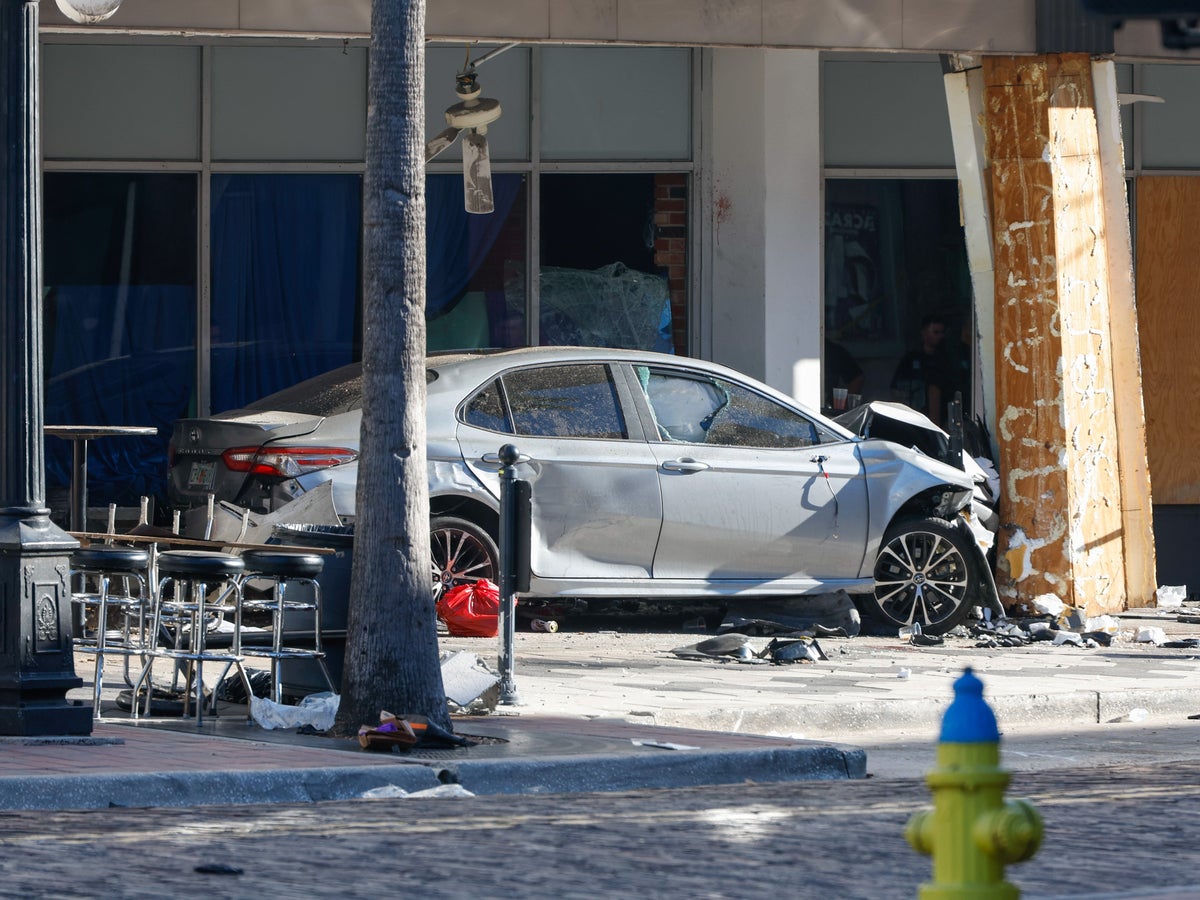
Rideshare services like Uber and Lyft have become a common part of daily transportation in Coral Springs and throughout Broward County. While rideshare accidents may look similar to traditional car crashes on the surface, the legal and insurance issues involved are very different. These differences often catch injury victims off guard and can significantly affect how claims are handled and how long it takes to receive compensation.
If you were injured in a rideshare accident in Coral Springs, understanding what makes these cases unique is critical to protecting your rights and avoiding costly mistakes.
Multiple Insurance Policies Are Often Involved
One of the biggest differences between rideshare accidents and standard car accidents is the number of insurance policies that may apply. In a typical crash, you usually deal with one or two auto insurance companies. In a rideshare accident, there may be several layers of coverage, including the rideshare driver’s personal auto insurance, the rideshare company’s insurance policy, Florida’s Personal Injury Protection coverage, and uninsured or underinsured motorist coverage.
Which policy applies depends on the rideshare driver’s status at the exact moment of the crash. Insurance companies often dispute coverage to limit their financial responsibility, leading to delays and confusion for injured victims.
Driver App Status Determines Coverage
Rideshare accident cases hinge on whether the driver was logged into the app, waiting for a ride request, or actively transporting a passenger. Each phase triggers different insurance coverage levels.
If the driver was not logged into the app, their personal insurance typically applies. If the app was on but no ride was accepted, limited rideshare company coverage may apply. When a ride is accepted or a passenger is in the vehicle, higher rideshare company insurance limits usually take effect.
Insurance companies closely analyze app data and often challenge whether the driver was actively working, as this can dramatically change how much compensation is available.
Florida’s No-Fault Law Adds Another Layer
Florida’s no-fault insurance system applies to rideshare accidents just as it does to other car crashes. Injured victims generally must first rely on Personal Injury Protection benefits for medical expenses and lost wages.
However, PIP benefits are limited and do not cover pain and suffering or long-term losses. In serious rideshare accident cases, victims may need to pursue additional compensation beyond PIP, which introduces more legal complexity and insurance resistance.
Insurance Companies Handle Rideshare Claims Aggressively
Rideshare accident cases often involve corporate insurance carriers with significant financial resources. These insurers are experienced in defending claims and frequently use aggressive tactics, such as disputing driver status, questioning injury severity, delaying claims, or offering quick settlements that undervalue the case.
Because rideshare companies carry large insurance policies, insurers have a strong incentive to minimize payouts. Injury victims without legal representation are often at a disadvantage during negotiations.
Liability Is Often More Complicated
Determining who is legally responsible for a rideshare accident is not always straightforward. Liability may rest with the rideshare driver, another driver, the rideshare company’s insurance policy, or multiple parties at once.
Accidents involving pedestrians, bicyclists, or multiple vehicles further complicate liability analysis. Florida’s comparative negligence rules allow insurance companies to argue that victims share fault, reducing compensation even when another party is primarily responsible.
Evidence and Documentation Are More Important
Because rideshare cases are closely scrutinized, evidence plays a critical role. App data, trip records, driver logs, GPS information, and timestamps may all be needed to prove which insurance coverage applies.
In addition, medical documentation must clearly connect injuries to the accident. Insurance companies often challenge rideshare injury claims by arguing that injuries are pre-existing or unrelated to the crash.
Long-Term Injuries Increase Complexity
Rideshare accidents frequently result in serious injuries, especially when they occur in high-traffic areas such as Sample Road, University Drive, or Coral Ridge Drive in Coral Springs. Long-term injuries increase the complexity of a claim, as future medical costs, lost earning capacity, and permanent limitations must be accurately calculated.
Insurance companies often push for early settlements before the full impact of long-term injuries is known, which can leave victims financially exposed.
Claims Often Take Longer to Resolve
Due to multiple insurers, coverage disputes, and detailed investigations, rideshare accident cases typically take longer to resolve than standard car accident claims. Delays are common, especially when insurers argue over who is responsible for paying damages.
While this can be frustrating, rushing a settlement often results in compensation that does not fully reflect the true cost of the accident.
Why Local Legal Experience Matters
Rideshare accident cases in Coral Springs require a deep understanding of Florida insurance laws, rideshare coverage rules, and local traffic conditions. A Fort Lauderdale–based personal injury attorney familiar with rideshare accidents can identify applicable insurance policies, handle insurer communications, gather critical evidence, and fight for full compensation.
Most personal injury attorneys work on a contingency fee basis, meaning there are no upfront costs and no legal fees unless compensation is recovered.
Protecting Your Rights After a Coral Springs Rideshare Accident
Rideshare accidents are different and more complex than traditional car crashes. Understanding these differences can help you avoid common pitfalls and protect your right to fair compensation.
If you were injured in a rideshare accident in Coral Springs or anywhere in Broward County, a free consultation with a Fort Lauderdale–area personal injury lawyer can help you understand your options and next steps. There are no upfront fees, and help is available 24/7 for rideshare accident victims throughout South Florida.
What Makes Rideshare Accident Cases in Coral Springs Different
Rideshare services like Uber and Lyft have become a common part of daily transportation in Coral Springs and throughout Broward County. While rideshare accidents may look similar to traditional car crashes on the surface, the legal and insurance issues involved are very different. These differences often catch injury victims off guard and can significantly affect how claims are handled and how long it takes to receive compensation.
If you were injured in a rideshare accident in Coral Springs, understanding what makes these cases unique is critical to protecting your rights and avoiding costly mistakes.
Multiple Insurance Policies Are Often Involved
One of the biggest differences between rideshare accidents and standard car accidents is the number of insurance policies that may apply. In a typical crash, you usually deal with one or two auto insurance companies. In a rideshare accident, there may be several layers of coverage, including the rideshare driver’s personal auto insurance, the rideshare company’s insurance policy, Florida’s Personal Injury Protection coverage, and uninsured or underinsured motorist coverage.
Which policy applies depends on the rideshare driver’s status at the exact moment of the crash. Insurance companies often dispute coverage to limit their financial responsibility, leading to delays and confusion for injured victims.
Driver App Status Determines Coverage
Rideshare accident cases hinge on whether the driver was logged into the app, waiting for a ride request, or actively transporting a passenger. Each phase triggers different insurance coverage levels.
If the driver was not logged into the app, their personal insurance typically applies. If the app was on but no ride was accepted, limited rideshare company coverage may apply. When a ride is accepted or a passenger is in the vehicle, higher rideshare company insurance limits usually take effect.
Insurance companies closely analyze app data and often challenge whether the driver was actively working, as this can dramatically change how much compensation is available.
Florida’s No-Fault Law Adds Another Layer
Florida’s no-fault insurance system applies to rideshare accidents just as it does to other car crashes. Injured victims generally must first rely on Personal Injury Protection benefits for medical expenses and lost wages.
However, PIP benefits are limited and do not cover pain and suffering or long-term losses. In serious rideshare accident cases, victims may need to pursue additional compensation beyond PIP, which introduces more legal complexity and insurance resistance.
Insurance Companies Handle Rideshare Claims Aggressively
Rideshare accident cases often involve corporate insurance carriers with significant financial resources. These insurers are experienced in defending claims and frequently use aggressive tactics, such as disputing driver status, questioning injury severity, delaying claims, or offering quick settlements that undervalue the case.
Because rideshare companies carry large insurance policies, insurers have a strong incentive to minimize payouts. Injury victims without legal representation are often at a disadvantage during negotiations.
Liability Is Often More Complicated
Determining who is legally responsible for a rideshare accident is not always straightforward. Liability may rest with the rideshare driver, another driver, the rideshare company’s insurance policy, or multiple parties at once.
Accidents involving pedestrians, bicyclists, or multiple vehicles further complicate liability analysis. Florida’s comparative negligence rules allow insurance companies to argue that victims share fault, reducing compensation even when another party is primarily responsible.
Evidence and Documentation Are More Important
Because rideshare cases are closely scrutinized, evidence plays a critical role. App data, trip records, driver logs, GPS information, and timestamps may all be needed to prove which insurance coverage applies.
In addition, medical documentation must clearly connect injuries to the accident. Insurance companies often challenge rideshare injury claims by arguing that injuries are pre-existing or unrelated to the crash.
Long-Term Injuries Increase Complexity
Rideshare accidents frequently result in serious injuries, especially when they occur in high-traffic areas such as Sample Road, University Drive, or Coral Ridge Drive in Coral Springs. Long-term injuries increase the complexity of a claim, as future medical costs, lost earning capacity, and permanent limitations must be accurately calculated.
Insurance companies often push for early settlements before the full impact of long-term injuries is known, which can leave victims financially exposed.
Claims Often Take Longer to Resolve
Due to multiple insurers, coverage disputes, and detailed investigations, rideshare accident cases typically take longer to resolve than standard car accident claims. Delays are common, especially when insurers argue over who is responsible for paying damages.
While this can be frustrating, rushing a settlement often results in compensation that does not fully reflect the true cost of the accident.
Why Local Legal Experience Matters
Rideshare accident cases in Coral Springs require a deep understanding of Florida insurance laws, rideshare coverage rules, and local traffic conditions. A Fort Lauderdale–based personal injury attorney familiar with rideshare accidents can identify applicable insurance policies, handle insurer communications, gather critical evidence, and fight for full compensation.
Most personal injury attorneys work on a contingency fee basis, meaning there are no upfront costs and no legal fees unless compensation is recovered.
Protecting Your Rights After a Coral Springs Rideshare Accident
Rideshare accidents are different and more complex than traditional car crashes. Understanding these differences can help you avoid common pitfalls and protect your right to fair compensation.
If you were injured in a rideshare accident in Coral Springs or anywhere in Broward County, a free consultation with a Fort Lauderdale–area personal injury lawyer can help you understand your options and next steps. There are no upfront fees, and help is available 24/7 for rideshare accident victims throughout South Florida.