
Weston Accident Evidence: What to Save and How to Store It
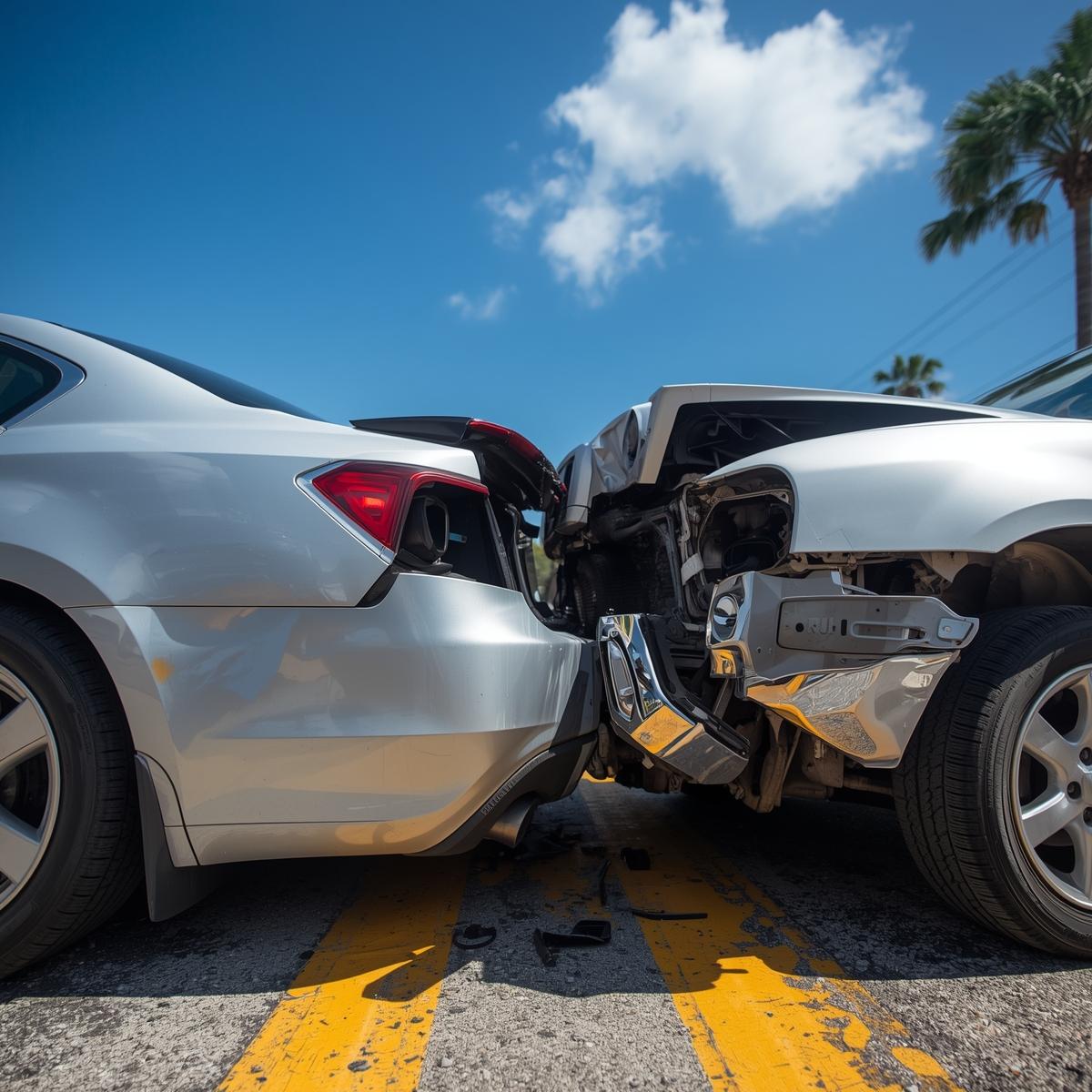
If you’ve been involved in an accident in Weston, one of the most important steps you can take is preserving evidence. How you collect, save, and store accident-related materials can significantly impact your personal injury claim or lawsuit. Insurance companies, courts, and attorneys rely heavily on credible, well-documented evidence to determine liability, damages, and settlement value.
Many victims focus on medical care and forget that physical and digital evidence can make or break a case. This guide explains what types of evidence you should save, how to preserve it, and best practices for storage, ensuring that your claim in Weston is supported and protected from unnecessary disputes.
Why Preserving Evidence Is Critical
Evidence serves as the foundation of any personal injury claim:
- Establishes liability: Proves who caused the accident
- Validates damages: Confirms medical bills, lost wages, and property damage
- Supports non-economic damages: Shows pain, suffering, or loss of enjoyment of life
- Strengthens negotiations: Gives attorneys leverage during settlement discussions
- Prepares for trial: Provides the documentation necessary if litigation becomes necessary
Failing to preserve evidence can lead to reduced settlements or even dismissal of claims, especially in disputed liability cases.
Types of Evidence to Collect Immediately
1. Accident Scene Documentation
- Photographs and Videos: Capture vehicles, property, environmental conditions, road signage, skid marks, lighting, weather conditions, and any hazards.
- Diagrams: Draw a simple sketch of the scene including positions of vehicles, pedestrians, or obstacles.
- Measurements: Record distances, lane markings, or obstruction sizes if relevant.
Tip: Use timestamps on photos or videos to provide context. Smartphone cameras and dash cams are sufficient if clear and properly saved.
2. Police and Official Reports
- Police Reports: For car accidents, these establish official documentation of the incident.
- Incident Reports: For slip-and-fall or workplace injuries, obtain copies from property management or employers.
- Fire or EMS Reports: Document emergency medical interventions, which support injury severity claims.
These official reports serve as objective third-party evidence that insurers and courts consider highly credible.
3. Medical Records and Bills
- ER and Hospital Records: Include imaging, diagnoses, surgeries, and doctor notes.
- Therapy and Rehabilitation Documentation: Demonstrates ongoing care and treatment progress.
- Pharmacy Records: Shows prescriptions and medication usage.
- Invoices and Receipts: Document all costs related to medical care.
Medical evidence is the cornerstone of proving damages, and incomplete records can reduce claim value.
4. Witness Statements
- Collect names, addresses, phone numbers, and emails of anyone who saw the accident.
- Ask witnesses to provide written or recorded statements about what they observed.
- Witness testimony can support or contradict liability claims, particularly when insurance adjusters dispute fault.
5. Vehicle and Property Damage
- Photos of damage: Take multiple angles to show impact severity.
- Repair estimates or invoices: Document repair costs.
- Preserve damaged items: If clothing, equipment, or personal property was involved, retain them for inspection if necessary.
Property damage evidence supports both financial and insurance claims, showing the accident’s tangible impact.
6. Personal Records and Logs
- Daily Pain and Activity Journal: Notes on physical limitations, emotional distress, and impact on daily life support non-economic damage claims.
- Work Records: Document lost wages, missed shifts, or reduced productivity.
- Communication Logs: Record interactions with insurance adjusters or parties involved in the accident.
Personal logs give context to both economic and non-economic damages, especially when combined with medical documentation.
How to Store Physical Evidence
1. Keep Originals
- Store original medical bills, repair estimates, and official reports in a secure, waterproof folder or fireproof safe.
- Avoid altering or defacing original documents.
2. Preserve Damaged Items
- Clothing, vehicles, or equipment should be kept untouched whenever possible.
- If items must be repaired or disposed of, photograph thoroughly first.
3. Label and Organize
- Create labeled folders or envelopes by category: medical, vehicle, witness, financial.
- Include dates, descriptions, and relevance notes.
4. Secure Storage Location
- Avoid areas prone to moisture, heat, or theft.
- Use fireproof and waterproof storage for critical documents.
- Keep evidence in a single location to ensure easy access when needed for attorneys or court.
How to Store Digital Evidence
1. Create Digital Backups
- Scan or photograph all physical documents
- Upload files to secure cloud storage or external hard drives
- Ensure multiple backups exist to prevent data loss
2. Maintain Metadata
- Preserve original timestamps on photos, videos, and documents.
- Avoid altering or compressing files in ways that remove metadata, which could reduce credibility.
3. Organize by Type and Date
- Use folders like Accident Scene, Medical Records, Witness Statements, Financial Documents
- Label files consistently with dates and descriptions for quick retrieval
4. Secure Access
- Protect files with passwords or encryption
- Limit access to trusted parties, such as your attorney or family members assisting with the claim
Common Mistakes to Avoid
- Delaying Evidence Collection: Scene conditions and witness memories fade quickly.
- Altering Damaged Property: Repairing or discarding damaged items before documentation can hurt your case.
- Failing to Backup Digital Files: Loss of photos or scanned documents can compromise negotiations or litigation.
- Disorganized Records: Misplaced invoices, medical bills, or receipts make it harder to prove damages.
- Sharing Information Publicly: Social media posts can undermine your claims or suggest exaggeration of injuries.
Working With Your Weston Personal Injury Attorney
A skilled attorney can help you:
- Identify all types of evidence relevant to your claim
- Advise on how to store and present evidence to maximize settlement or trial value
- Coordinate with experts and investigators for accident reconstruction or injury analysis
- Ensure compliance with Florida’s statutes of limitations and evidence rules
Early legal guidance ensures that your evidence is preserved correctly and strategically.
Tips for Long-Term Preservation
- Retain records for at least four years, the standard statute of limitations for personal injury claims in Florida.
- Keep evidence for future medical or legal disputes, especially in cases with ongoing treatment or long-term impairment.
- Regularly update backups as you receive new medical bills, repair invoices, or witness statements.
Bottom Line
Properly saving and storing evidence is one of the most important steps you can take after an accident in Weston. Evidence supports your claim by:
- Establishing liability
- Documenting economic and non-economic damages
- Strengthening settlement negotiations or trial outcomes
Key takeaways for Weston accident victims:
- Collect scene photos, medical records, property damage evidence, and witness information immediately
- Organize, label, and securely store both physical and digital evidence
- Maintain daily logs for pain, suffering, and lost wages
- Avoid altering evidence or publicizing claims before legal review
- Consult an experienced attorney to strategically preserve evidence for maximum impact
By carefully saving and storing accident evidence, Weston victims can protect their rights, support their claims, and improve the likelihood of fair compensation, whether through settlement or litigation.