
Understanding Liability Investigations in Fort Lauderdale Injury Cases
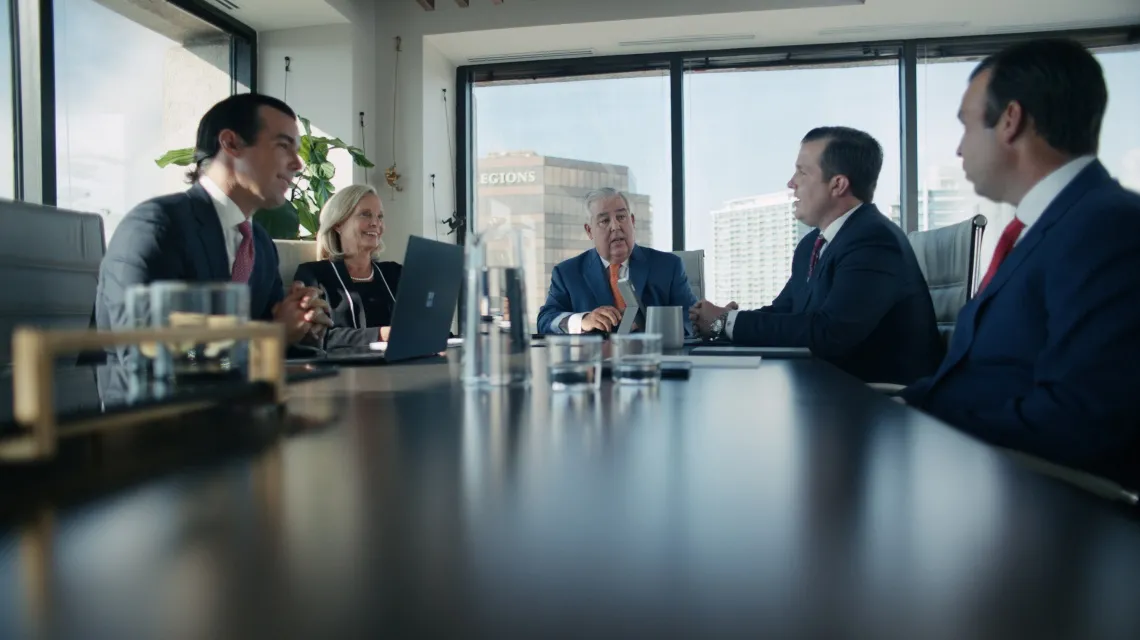
When an accident occurs in Fort Lauderdale—whether a car crash on Sunrise Boulevard, a slip and fall at a local business, or a construction site injury—the question of who is legally responsible becomes the focal point of any personal injury case. Determining liability is not always straightforward, and thorough liability investigations are essential to building a strong claim and ensuring fair compensation.
This article explores how liability investigations work in Fort Lauderdale personal injury cases, what factors are examined, and how skilled attorneys use investigations to strengthen claims and protect victims’ rights.
What Is a Liability Investigation?
A liability investigation is the process of collecting and analyzing evidence to determine who is legally responsible for an accident and the resulting injuries. The purpose is to establish that the at-fault party’s negligence caused the harm and to document all factors that could impact a personal injury claim.
In Fort Lauderdale, liability investigations often focus on:
- Accident circumstances – How and why the accident happened
- Negligence – Whether someone failed to act reasonably
- Comparative fault – Whether the injured party shares responsibility
- Evidence collection – Police reports, witness statements, photographs, and expert testimony
The results of these investigations are critical for negotiations with insurance companies and, if necessary, for litigation.
Why Liability Investigations Matter in Fort Lauderdale
Liability investigations are central to personal injury cases because:
- They determine who is responsible – Identifying the negligent party ensures claims are directed to the correct individual or entity.
- They quantify damages – Liability strength influences settlement offers and trial outcomes.
- They protect victims from unfair claims adjustments – Insurance companies often attempt to minimize payouts, and clear evidence of fault counters these tactics.
- They uncover potential multiple sources of liability – For example, in a car accident, both drivers, a vehicle manufacturer, or a local government entity may share responsibility.
In Fort Lauderdale, where high traffic areas and complex property conditions are common, liability investigations are often more involved and require local knowledge.
Key Elements of a Liability Investigation
1. Accident Scene Analysis
The scene of the accident provides immediate and often irreplaceable evidence. Investigators focus on:
- Photographs and video footage – Documenting vehicle positions, skid marks, debris, and environmental conditions
- Traffic signals and signage – Malfunctioning lights or missing signs may indicate municipal negligence
- Road conditions – Potholes, wet surfaces, or construction zones can contribute to accidents
- Witness accounts – Statements from bystanders, pedestrians, or other drivers provide context and support for liability claims
A careful scene investigation in Fort Lauderdale is essential, especially in high-traffic areas like I-95, Sunrise Boulevard, and A1A, where accidents can involve multiple parties.
2. Reviewing Police and Official Reports
Police reports are often used as a starting point in liability investigations:
- Accident details – Officer observations, citations issued, and initial determinations of fault
- Statements from involved parties – Provided at the scene or during investigation
- Accident diagrams – Indicate vehicle positions and movements
While useful, police reports are not always conclusive. Attorneys often supplement them with independent investigations to ensure accuracy.
3. Witness Interviews
Witnesses are critical for corroborating facts:
- Eyewitness accounts – Provide a third-party perspective on how the accident occurred
- Consistency of statements – Comparing multiple accounts to verify reliability
- Timely collection – Statements should be gathered soon after the accident to preserve accuracy
Fort Lauderdale investigators often locate witnesses in local communities, businesses, or nearby public areas to strengthen the claim.
4. Medical Records and Injury Documentation
Medical documentation not only supports damages but also impacts liability:
- Causation – Linking injuries directly to the accident
- Severity – Demonstrating the seriousness of harm
- Consistency with accident circumstances – Ensuring injury patterns match the reported incident
Thorough medical records help prevent insurance adjusters from disputing the link between the accident and injuries.
5. Expert Investigations
Experts can provide specialized analysis to support liability claims:
- Accident reconstructionists – Recreate vehicle collisions or slip-and-fall scenarios
- Medical experts – Assess injury severity and causation
- Safety consultants – Examine workplace or property hazards
Expert testimony is particularly valuable in complex Fort Lauderdale cases involving multiple parties or disputed fault.
Factors That Affect Liability Determination
Several factors influence how liability is assigned in Fort Lauderdale personal injury cases:
1. Negligence
Negligence occurs when a party fails to exercise reasonable care, leading to injury. Examples include:
- Distracted or reckless driving
- Failing to maintain safe property conditions
- Violating workplace safety standards
Establishing negligence is central to assigning liability and determining compensation.
2. Comparative Fault
Florida’s modified comparative negligence system can reduce compensation if the victim shares responsibility:
- Compensation is reduced by the victim’s percentage of fault
- Example: If a pedestrian is 20% at fault for a sidewalk fall, their recovery is reduced accordingly
Accurate liability investigations help minimize assigned fault and protect compensation.
3. Multiple Parties
Some accidents involve more than one liable party, such as:
- Multi-car collisions
- Slip and falls caused by defective property maintained by multiple entities
- Construction accidents involving contractors, subcontractors, and property owners
Identifying all responsible parties can significantly increase recovery potential.
Challenges in Fort Lauderdale Liability Investigations
- High traffic and crowded areas – Make it harder to isolate cause and identify witnesses
- Delayed reporting – Witnesses may forget key details or leave the area
- Disputed evidence – Insurance companies often challenge photographs, video, or medical records
- Comparative negligence arguments – Opposing parties may claim partial fault by the victim
- Complex property and workplace cases – Multiple entities and insurance policies complicate liability
Professional legal assistance ensures these challenges are addressed effectively.
The Role of a Fort Lauderdale Personal Injury Attorney
Attorneys guide the liability investigation process, ensuring that all relevant factors are considered:
- Evidence collection – Photographs, video, police reports, and medical documentation
- Witness interviews – Locating, contacting, and preparing witnesses
- Expert coordination – Engaging reconstructionists, medical experts, and safety consultants
- Insurance interaction – Communicating findings strategically to maximize compensation
- Legal strategy – Determining whether negotiation, settlement, or litigation is the best path
By combining investigation with legal expertise, attorneys protect clients from insurance tactics and strengthen claims for full recovery.
Case Example: Slip and Fall in Fort Lauderdale
A visitor to a Fort Lauderdale shopping center slipped on a wet floor:
- Initial claim: $5,000 from the property’s insurer
- Liability investigation included: surveillance footage, employee statements, and expert evaluation of the floor conditions
- Attorney negotiations highlighted the property owner’s negligence in failing to display a wet floor sign
- Resulting settlement: $48,000, including medical bills, lost wages, and pain and suffering
This example demonstrates how a thorough liability investigation can dramatically impact case outcomes.
Tips for Strengthening Liability in Your Case
- Document the scene immediately – Photos, videos, and notes of conditions and hazards
- Collect witness information – Names, contact details, and statements
- Seek prompt medical attention – Establish injury severity and causation
- Avoid providing statements directly to insurers – Let your attorney manage communications
- Preserve evidence – Keep receipts, repair estimates, and medical documentation
Following these steps ensures that liability is clearly established and claims are stronger.
Conclusion
Liability investigations are a cornerstone of Fort Lauderdale personal injury cases. They determine:
- Who is legally responsible for the accident
- The extent of negligence and comparative fault
- The evidence supporting damages claims
Strong investigations include accident scene analysis, witness interviews, medical records, and expert evaluations. They help protect victims from insurance company tactics, maximize compensation, and provide a solid foundation for settlement or trial.
Working with a skilled Fort Lauderdale personal injury attorney ensures that liability investigations are thorough, strategic, and tailored to the local legal landscape, including high-traffic roads, property law, and Florida-specific insurance regulations. Proper investigation can make the difference between a minimal payout and full, fair compensation.