
Understanding Liability in Florida Accident Litigation
When accidents happen in Florida, including Fort Lauderdale, Hollywood, Coral Springs, Plantation, Pompano Beach, and Sunrise, one of the most critical factors in personal injury claims is liability. Liability determines who is legally responsible for an accident and directly affects whether victims can recover compensation for medical expenses, lost wages, property damage, and pain and suffering. Understanding how liability is established in Florida accident litigation helps victims protect their rights and maximize recovery.
Florida’s legal system follows comparative negligence rules and other state-specific statutes that govern accident claims. Navigating liability issues often requires careful evidence gathering, medical documentation, witness testimony, and legal expertise. For victims, the process can be complex, but a clear understanding of liability is essential for successful negotiations and potential litigation.
What Is Liability?
Liability refers to the legal responsibility for an accident or injury. In personal injury claims, establishing liability means proving that another party’s actions—or failure to act—caused the accident and the resulting damages. Liability can arise in various situations, including:
- Motor vehicle accidents: Negligent driving, speeding, distracted driving, or DUI
- Slip and fall incidents: Property owners failing to maintain safe conditions
- Construction accidents: Employer negligence or contractor violations of safety standards
- Workplace injuries: Employer failure to follow OSHA regulations or provide proper training
- Product liability: Defective or dangerous products causing harm
- Wrongful death claims: Negligence or intentional acts leading to fatal injuries
Accurately determining liability is essential because it establishes the foundation for compensation under Florida law.
Florida’s Comparative Negligence Rule
Florida follows a pure comparative negligence system (Florida Statute §768.81). This rule impacts how compensation is calculated:
- Each party can be assigned a percentage of fault for the accident
- A victim’s compensation is reduced by their own share of fault
- Even if the victim is 90% at fault, they can still recover 10% of damages
- Proper evidence and documentation are required to accurately assess fault
Comparative negligence makes liability disputes common in Florida accident litigation, emphasizing the importance of thorough evidence collection and legal guidance.
How Liability Is Determined
Establishing liability in Florida involves several key steps:
1. Investigating the Accident
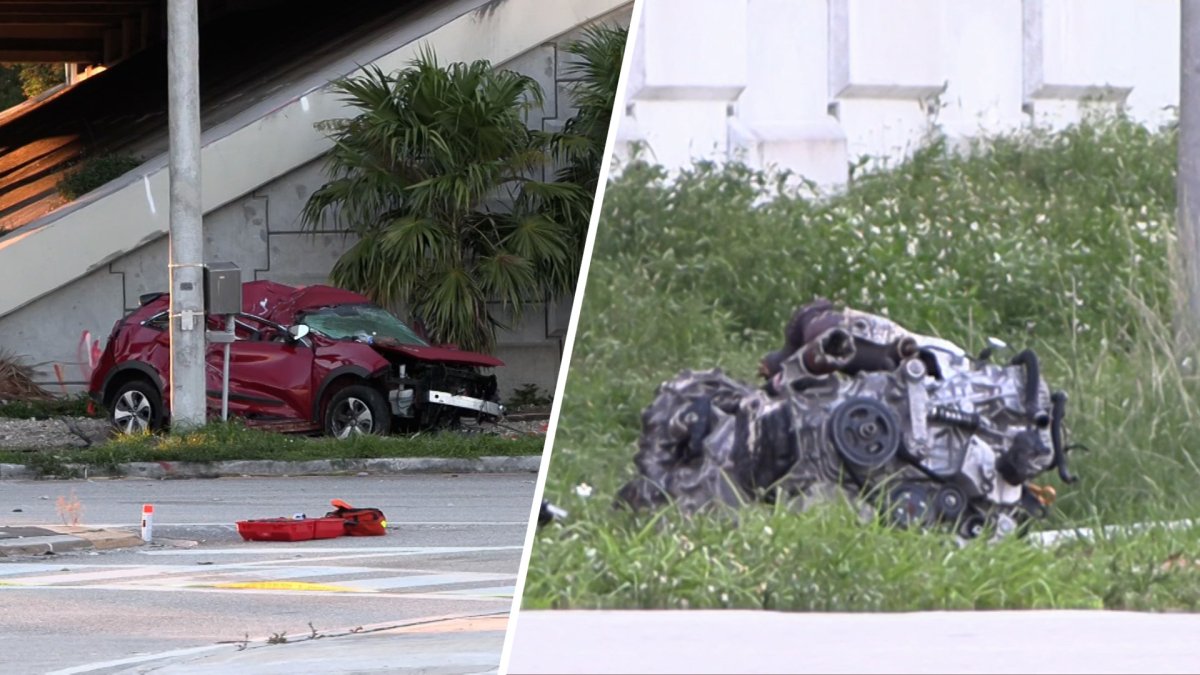
- Accident scene documentation: Photographs, videos, skid marks, debris, and environmental conditions
- Police and official reports: Police reports, municipal incident reports, or OSHA records
- Witness statements: Eyewitness accounts help confirm actions and causation
A detailed investigation helps establish who was responsible and prevents disputes over the facts of the accident.
2. Analyzing Negligence
Negligence is a common basis for liability in Florida accidents. To prove negligence, the following elements must be demonstrated:
- Duty of care: The responsible party owed a duty to act reasonably
- Breach of duty: The party failed to meet this duty
- Causation: The breach directly caused the accident and resulting injuries
- Damages: The victim suffered economic or non-economic losses
For example, a driver has a duty to obey traffic laws. If they run a red light and cause a collision, they have breached that duty, and liability may be established.
3. Reviewing Medical Evidence
- Medical records: ER visits, specialist evaluations, therapy notes, and diagnostic imaging
- Injury severity and prognosis: Determines the scope of damages and potential long-term impact
- Linking injuries to the accident: Ensures insurance companies cannot claim pre-existing conditions caused the injury
Medical evidence plays a critical role in demonstrating that the defendant’s actions caused the victim’s damages.
4. Expert Analysis
- Accident reconstruction specialists: Reconstruct vehicle collisions or slip-and-fall dynamics
- Medical experts: Clarify long-term injuries and required care
- Economic experts: Quantify lost wages, future medical costs, and reduced earning capacity
Expert testimony strengthens liability claims, particularly in complex or disputed cases.
5. Insurance and Policy Review
- Identify all available insurance policies, including liability, PIP, and underinsured motorist coverage
- Determine coverage limits and potential exposure for each party
- Evaluate any contributory factors that may influence negotiations or litigation
Understanding insurance coverage ensures that the claim is realistic and fully accounts for potential compensation.
Common Liability Challenges in Florida
Florida accident victims may encounter several challenges when establishing liability:
- Disputed fault: Insurance companies may contest responsibility or overstate the victim’s share of fault
- Delayed evidence collection: Lost debris, faded skid marks, or missing witness testimony can weaken claims
- Comparative negligence arguments: Adjusters may argue that victims contributed to their injuries
- Governmental immunity: Special rules apply when public entities are involved, requiring prompt notice and documentation
These challenges make professional guidance and strategic evidence preservation essential.
The Role of Legal Representation
A South Florida personal injury attorney plays a pivotal role in navigating liability issues:
- Conducts thorough investigations and collects evidence
- Coordinates expert evaluations for accident reconstruction and medical analysis
- Evaluates insurance coverage and negotiates settlements strategically
- Protects victims from tactics designed to reduce liability or settlement value
- Prepares the case for litigation if insurance negotiations fail
Attorney involvement ensures that liability is properly established and damages are fully documented.
Why Accurate Liability Assessment Matters
- Determines eligibility for compensation: Without establishing liability, insurance claims may be denied
- Influences settlement value: Clear evidence of fault increases leverage in negotiations
- Protects against comparative negligence reductions: Accurate assessment prevents excessive reductions in compensation
- Strengthens litigation outcomes: Courts rely on well-documented evidence to assign liability and calculate damages
A robust liability assessment is the foundation for fair recovery in any Florida personal injury claim.
Best Practices for Florida Accident Victims
- Seek immediate medical care: Early treatment documents injuries and supports causation
- Document the scene: Photographs, videos, and environmental notes preserve evidence
- Collect witness information: Names, contact details, and statements reinforce claims
- Preserve medical records: Maintain complete records of all treatments and prescriptions
- Engage a qualified personal injury attorney: Legal guidance ensures that liability is properly investigated and documented
Following these practices strengthens your claim and protects your rights throughout the negotiation or litigation process.
Conclusion
Understanding liability in Florida accident litigation is essential for victims seeking fair compensation. In Fort Lauderdale, Hollywood, Coral Springs, Plantation, Pompano Beach, and Sunrise, liability establishes who is responsible for an accident and influences every aspect of a personal injury claim, from insurance negotiations to courtroom outcomes. Accurate assessment of negligence, thorough evidence collection, medical documentation, and expert analysis are critical to substantiating liability and protecting the victim’s legal and financial interests.
A South Florida personal injury attorney is invaluable in guiding victims through the liability assessment process, conducting investigations, coordinating experts, and negotiating with insurers. With professional legal support, victims can ensure that liability is properly established, damages are fully documented, and compensation accurately reflects the impact of their accident.
Speak With a South Florida Personal Injury Lawyer
If you or a loved one has been injured in South Florida, contacting a Fort Lauderdale personal injury attorney is essential. Legal support helps you:
- Establish liability through comprehensive investigations and evidence collection
- Document medical treatment, financial losses, and long-term impacts
- Navigate insurance negotiations effectively
- Protect against comparative negligence reductions
- Prepare for litigation if necessary while complying with Florida statutes
Most South Florida law firms offer free consultations and contingency fee arrangements, meaning you pay nothing unless compensation is recovered.
A South Florida personal injury lawyer ensures your claim is supported by a thorough liability assessment, maximizing the potential for fair and complete recovery.