
Understanding Liability Determination in Accident Claims in Fort Lauderdale
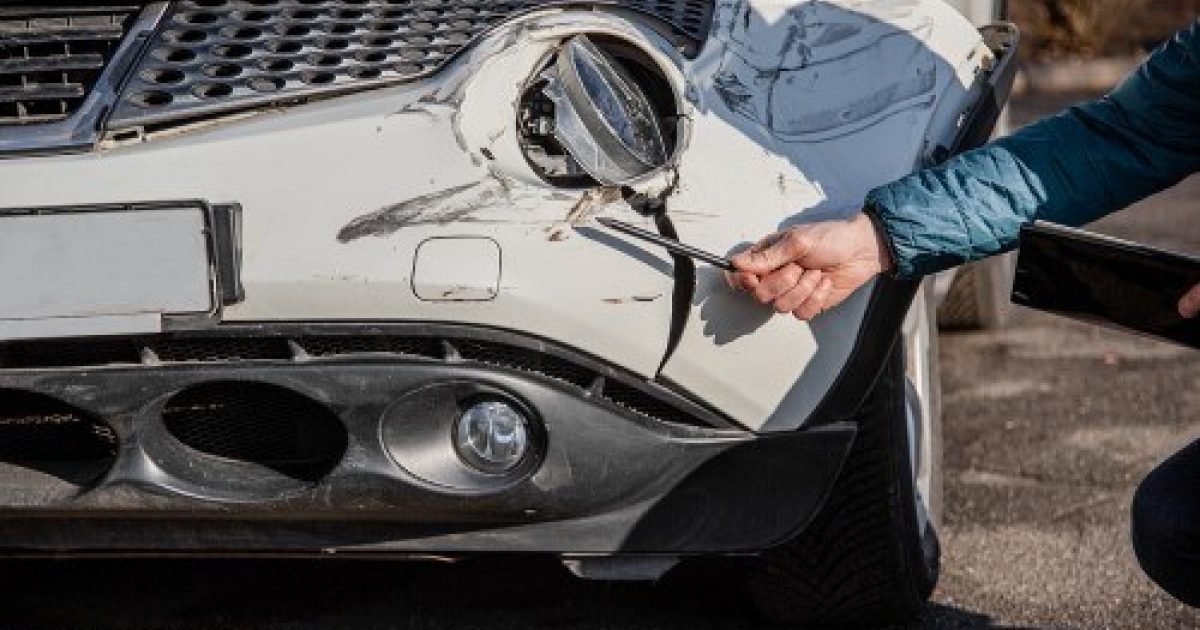
After a serious accident, one of the most important questions is who is legally responsible for the damages. In personal injury cases, this process is known as liability determination. Establishing liability is essential for accident victims seeking compensation for medical bills, lost income, and other damages.
In Fort Lauderdale and throughout Broward County, liability determination plays a central role in car accidents, truck crashes, motorcycle collisions, pedestrian accidents, slip and fall injuries, and many other types of personal injury claims.
Because Florida follows specific negligence and insurance laws, understanding how liability is determined can help injured individuals protect their legal rights and pursue fair compensation.
What Liability Means in an Accident Claim
Liability refers to legal responsibility for causing an accident or injury. When a person or entity is found liable, they may be required to pay compensation to the injured victim.
To prove liability in most personal injury claims, four key elements must typically be established:
- Duty of Care – The responsible party had a legal obligation to act safely.
- Breach of Duty – That obligation was violated through negligent behavior.
- Causation – The breach directly caused the accident and injuries.
- Damages – The victim suffered financial or physical harm as a result.
For example, a driver traveling on I-95 or Broward Boulevard in Fort Lauderdale has a legal duty to follow traffic laws and operate their vehicle safely. If they run a red light and cause a collision, that action may constitute a breach of duty.
Florida’s Comparative Negligence Rule
Liability in Florida is not always assigned to just one party. In many cases, multiple people may share responsibility for an accident.
Under Florida Statutes §768.81, Florida follows a modified comparative negligence system. This means that an injured person may still recover damages if they are partially responsible for the accident, as long as they are not more than 50% at fault.
However, compensation is reduced according to the victim’s percentage of fault.
For example:
- If your damages total $100,000
- And you are found 20% responsible
Your recovery may be reduced to $80,000.
Insurance companies frequently attempt to shift blame to injured victims in order to reduce payouts, which is why strong evidence is critical.
Evidence Used to Determine Liability
Determining liability often requires a detailed investigation of the accident. Attorneys, investigators, and insurance companies may examine a wide range of evidence.
Common forms of evidence include:
Police Accident Reports
When accidents occur in Fort Lauderdale, responding officers from the Fort Lauderdale Police Department or Broward Sheriff’s Office typically prepare an official crash report.
These reports may include:
- Officer observations
- Diagrams of the accident scene
- Witness statements
- Traffic violations issued
- Road and weather conditions
While a police report does not automatically determine liability, it often provides valuable insight into how the accident occurred.
Photographs and Video Evidence
Photos and videos can provide powerful proof of fault in accident cases. Visual evidence may capture:
- Vehicle damage
- Skid marks on the road
- Traffic signals and signs
- Debris patterns
- Weather and lighting conditions
In areas such as Las Olas Boulevard, Federal Highway (US-1), and A1A, surveillance cameras or nearby businesses may capture footage that clearly shows how a collision happened.
Dashcam recordings and traffic cameras can also be extremely helpful.
Witness Testimony
Independent witnesses often provide important perspectives about the moments leading up to an accident.
Witnesses may confirm details such as:
- A driver running a red light
- Distracted driving
- Aggressive lane changes
- Failure to yield
- Speeding
In busy communities like Plantation, Davie, Sunrise, Coral Springs, and Pompano Beach, accidents frequently occur in high-traffic areas where multiple witnesses may be present.
Vehicle Damage and Accident Reconstruction
Damage to vehicles can reveal the sequence of events in a crash. Accident reconstruction specialists may analyze:
- Points of impact
- Crush patterns
- Vehicle positioning
- Skid marks
- Data from event data recorders (vehicle “black boxes”)
For instance, rear-end collisions on I-595 or the Sawgrass Expressway often show clear damage patterns that indicate the following driver failed to stop in time.
Expert analysis can be particularly valuable in complex or disputed accident claims.
How Florida’s No-Fault Insurance System Affects Liability
Florida operates under a no-fault insurance system, which affects how many accident claims begin.
Under Florida Statutes §627.736, drivers must carry Personal Injury Protection (PIP) coverage. This insurance typically covers:
- 80% of medical expenses
- 60% of lost wages
- Up to $10,000 in benefits
PIP coverage applies regardless of who caused the accident.
However, if injuries are serious, victims may pursue additional compensation from the at-fault party. In those cases, determining liability becomes essential.
Situations Where Multiple Parties May Be Liable
Some accidents involve more than one responsible party. Depending on the circumstances, liability may extend beyond a single driver.
Examples include:
- Truck accidents involving negligent drivers, trucking companies, or maintenance providers
- Construction accidents where contractors or property owners failed to maintain safe conditions
- Slip and fall accidents caused by unsafe premises
- Defective vehicle parts that contributed to a crash
In Fort Lauderdale construction zones or busy commercial areas, identifying every responsible party can significantly increase the available compensation.
Common Insurance Company Strategies
Insurance companies conduct their own liability investigations, but their goal is usually to limit financial exposure.
Common strategies include:
- Claiming the injured person caused the accident
- Arguing that injuries are unrelated to the crash
- Minimizing the severity of damages
- Delaying the claims process
- Pressuring victims to accept quick settlements
Without proper legal representation, victims may find themselves at a disadvantage during these investigations.
Mistakes That Can Affect Liability in Your Case
After an accident, certain mistakes can make it more difficult to prove liability.
Common mistakes include:
- Failing to call the police after an accident
- Not seeking immediate medical treatment
- Admitting fault at the scene
- Posting about the accident on social media
- Speaking to insurance adjusters without legal guidance
Florida law also imposes strict time limits for filing injury lawsuits. Under Florida Statutes §95.11, most personal injury claims must be filed within two years of the accident.
Missing this deadline can prevent victims from pursuing compensation entirely.
Why a Fort Lauderdale Personal Injury Attorney Is Important
Determining liability in an accident claim can quickly become complicated, especially when multiple parties or insurance companies are involved.
A Fort Lauderdale personal injury lawyer can help by:
- Investigating the accident thoroughly
- Collecting and preserving critical evidence
- Interviewing witnesses
- Working with accident reconstruction experts
- Negotiating with insurance companies
- Preparing the case for trial if necessary
Having an experienced attorney on your side can significantly improve the chances of establishing liability and securing fair compensation.
Speak With a Fort Lauderdale Personal Injury Lawyer Today
If you were injured in an accident in Fort Lauderdale, Hollywood, Davie, Plantation, Sunrise, Coral Springs, Pompano Beach, Deerfield Beach, or anywhere in Broward County, understanding liability determination is an essential part of protecting your rights.
An experienced Fort Lauderdale personal injury attorney can review the details of your case, investigate the accident, and help you pursue the compensation you deserve.
Free consultations are available, and you pay no upfront legal fees unless compensation is recovered. Help is available 24/7 to discuss your accident claim and guide you through the legal process.