
Understanding Legal Liability After an Accident in Fort Lauderdale
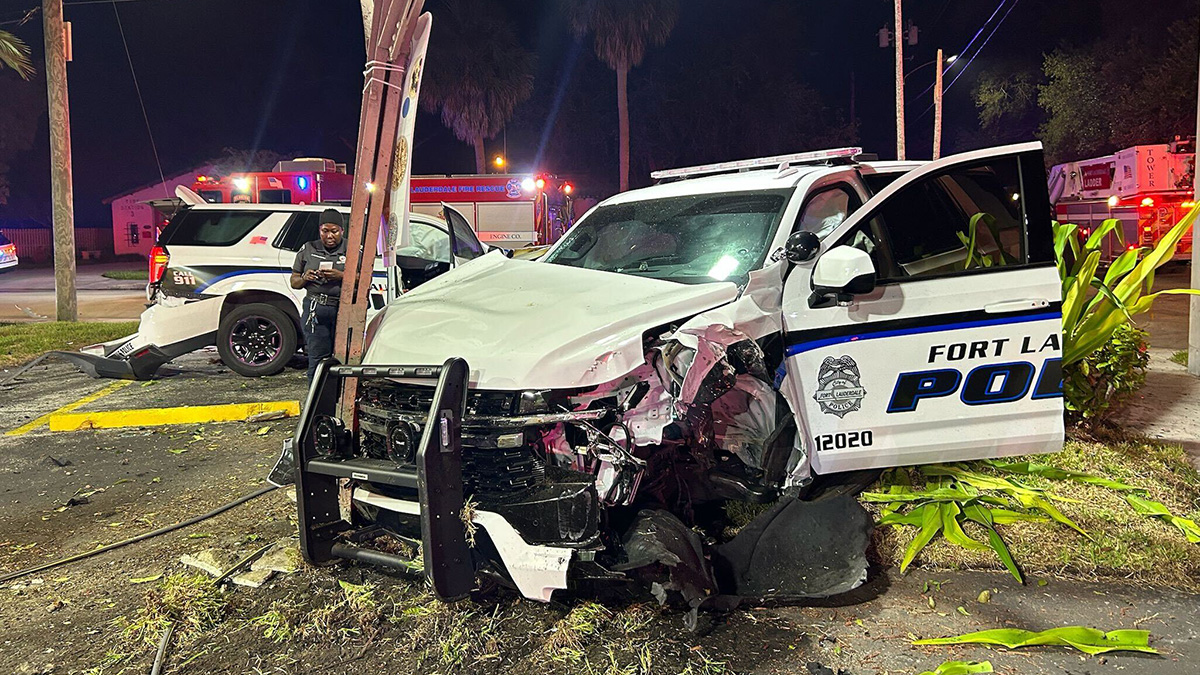 Accidents in Fort Lauderdale—whether car crashes, slip and falls, or workplace incidents—can have life-altering consequences. Beyond the immediate physical and emotional impacts, victims often face complex legal questions regarding liability. Understanding who is responsible for your injuries is crucial to securing fair compensation and protecting your legal rights.
This article provides a comprehensive guide to legal liability in Fort Lauderdale personal injury cases, explaining how liability is determined, what factors influence fault, and how victims can protect their interests under Florida law.
What Is Legal Liability?
Legal liability refers to the responsibility one party has for the damages or injuries caused to another. In personal injury cases, liability determines who is financially responsible for compensating the victim. Establishing liability is the foundation of any injury claim because compensation depends on proving that the other party’s negligence or wrongful actions caused the harm.
In Fort Lauderdale, liability often arises in:
- Motor vehicle accidents – Cars, motorcycles, trucks, and rideshares
- Slip and fall incidents – Retail stores, apartment complexes, or public spaces
- Workplace injuries – Construction sites, offices, and industrial facilities
- Wrongful death cases – Fatal accidents caused by negligence or recklessness
Key Elements of Legal Liability in Florida
To establish liability in Fort Lauderdale, Florida law generally requires proof of four elements:
1. Duty of Care
The defendant must have owed a legal duty of care to the injured party. Examples include:
- Drivers must follow traffic laws and drive safely
- Property owners must maintain safe premises for visitors
- Employers must provide a safe work environment
A breach of this duty forms the basis for negligence claims.
2. Breach of Duty
Liability arises when the defendant fails to meet the standard of care expected. Examples include:
- Running a red light or speeding
- Failing to repair a hazardous floor or stairway
- Ignoring workplace safety protocols
Documenting the breach is critical in Fort Lauderdale, where insurance adjusters often scrutinize the circumstances carefully.
3. Causation
The victim must show that the defendant’s actions directly caused the injury. There are two aspects:
- Actual Cause: The injury would not have occurred “but for” the defendant’s conduct
- Proximate Cause: The injury was a foreseeable result of the defendant’s actions
Evidence such as accident reports, photographs, and expert testimony often proves causation.
4. Damages
Finally, the victim must demonstrate tangible or intangible losses caused by the accident, including:
- Medical expenses
- Lost wages
- Pain and suffering
- Property damage
Without damages, even clear negligence may not result in compensation.
Comparative Negligence in Fort Lauderdale
Florida follows a comparative negligence system. This means:
- A victim’s own actions can reduce their compensation proportionally
- If a victim is 30% at fault, their total damages are reduced by 30%
For example, in a Fort Lauderdale car accident:
- If a driver fails to signal a lane change and is partially responsible for a collision, their recovery is reduced
- Proper documentation, witness statements, and expert reports help minimize assigned fault
Understanding comparative negligence is essential for navigating liability disputes effectively.
Common Scenarios of Liability in Fort Lauderdale
1. Car Accidents
- Rear-end collisions, intersection crashes, and distracted driving incidents are common
- Liability may involve one or multiple drivers
- Rideshare accidents often require analyzing driver and company responsibility
2. Slip and Fall Accidents
- Property owners are responsible for maintaining safe premises
- Negligence may include wet floors, broken steps, poor lighting, or unmarked hazards
- Documenting conditions and injuries is crucial to establish liability
3. Workplace Accidents
- Employers must follow safety regulations under Florida and federal law
- Contractors, equipment manufacturers, or third parties may also share liability
- Workers’ compensation may cover immediate losses, but third-party claims can provide additional recovery
4. Wrongful Death Cases
- Liability arises from negligent or reckless conduct leading to a fatal accident
- Surviving family members may pursue claims for funeral expenses, lost financial support, and emotional damages
How Liability Is Determined
In Fort Lauderdale, determining liability often involves:
Police and Accident Reports
- Police reports provide an official record of events, citations, and initial fault assessment
- Eyewitness accounts included in reports strengthen credibility
Witness Statements
- Independent observations help confirm accident circumstances
- Timely collection preserves accurate recollections
Expert Analysis
- Accident reconstruction specialists assess vehicle dynamics or incident mechanics
- Medical experts testify on injury causation and severity
- Vocational experts evaluate lost earning capacity or functional limitations
Insurance Investigation
- Insurance adjusters review evidence and may attempt to minimize liability
- Professional legal guidance ensures victims respond appropriately without jeopardizing claims
Steps to Protect Your Legal Interests After an Accident
1. Seek Immediate Medical Care
- Provides documentation linking injuries to the accident
- Protects your health and strengthens the legal record
2. Document the Accident
- Take photographs of the scene, vehicles, or property conditions
- Collect witness information and statements
- Preserve surveillance footage, emails, or digital evidence
3. Report the Incident
- Notify law enforcement, property owners, or employers promptly
- Ensure written records are filed and kept for your attorney
4. Consult a Fort Lauderdale Personal Injury Attorney
- Attorneys identify liable parties and applicable damages
- Coordinate evidence collection and expert testimony
- Negotiate with insurers or prepare the case for litigation
5. Avoid Common Pitfalls
- Do not admit fault at the scene
- Limit communication with insurance adjusters without legal guidance
- Avoid posting accident-related content on social media
Case Example: Fort Lauderdale Intersection Accident
A driver ran a red light on Federal Highway, colliding with another vehicle:
- Police report cited the at-fault driver
- Witnesses confirmed the traffic violation
- Medical records documented neck and back injuries
- Legal counsel identified the at-fault driver and negotiated with the insurance company
- Settlement included medical expenses, lost wages, and compensation for pain and suffering
This case demonstrates how clear liability, supported by documentation and legal guidance, leads to a successful outcome.
Legal Challenges in Establishing Liability
- Disputed Fault: Defendants may claim the victim was partially responsible
- Multiple Parties: Accidents may involve several drivers, property owners, or contractors
- Insurance Tactics: Adjusters may minimize responsibility or damages
- Evidence Gaps: Delays in reporting or documentation can weaken claims
Working with a local Fort Lauderdale attorney ensures these challenges are addressed proactively.
Conclusion
Understanding legal liability is essential for anyone injured in Fort Lauderdale. Key takeaways include:
- Liability establishes who is responsible for your injuries and damages
- Florida’s comparative negligence system may reduce recovery based on victim fault
- Evidence, documentation, and expert testimony are crucial for proving liability
- Timely medical care, reporting, and legal consultation strengthen your claim
- Local legal expertise is invaluable in navigating insurance disputes, accident reconstruction, and courtroom procedures
By understanding liability and taking immediate, strategic action, injury victims can protect their rights and maximize their compensation in Fort Lauderdale.