
The Legal Process Behind Davie Personal Injury Settlements
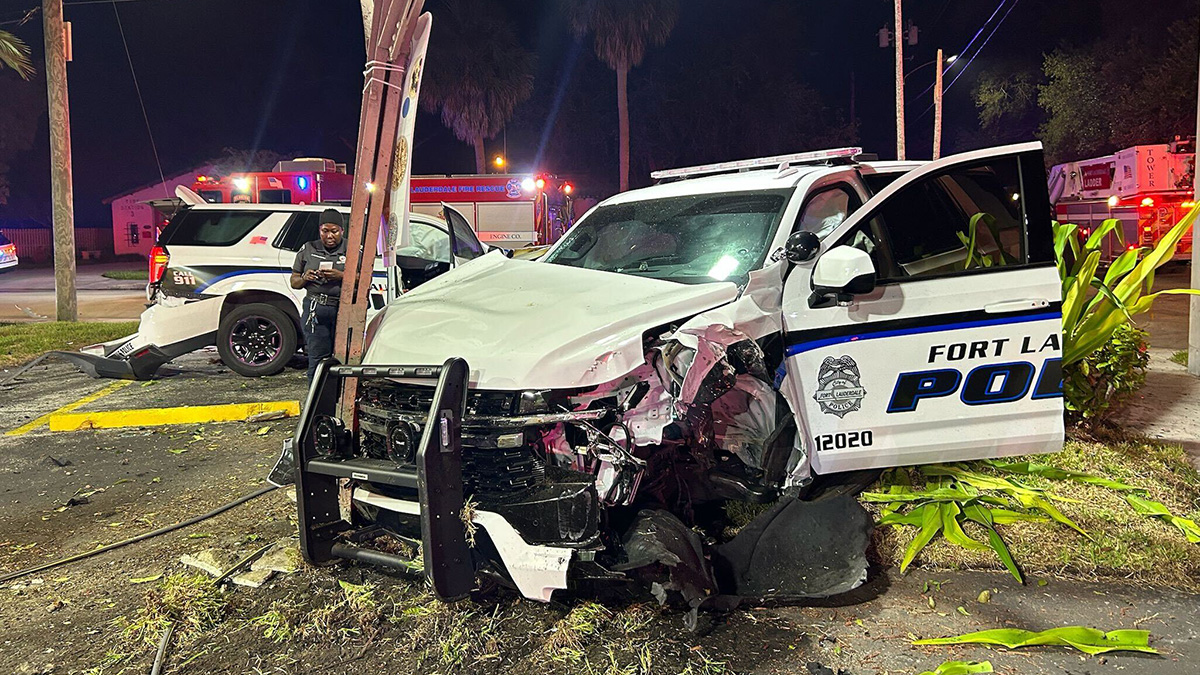
If you’ve been injured in an accident in Davie, Florida, understanding the legal process behind personal injury settlements can make a significant difference in the outcome of your case. From car accidents and slip and falls to workplace injuries and bicycle collisions, knowing what to expect helps you protect your rights, maximize compensation, and avoid costly mistakes.
A personal injury settlement is more than just a check—it represents the value of your medical treatment, lost wages, property damage, pain and suffering, and other impacts resulting from someone else’s negligence. The process involves careful evidence collection, legal strategy, and negotiation with insurance companies. This guide explains each step in detail, so Davie accident victims can approach their claims with confidence.
Understanding Personal Injury Settlements
A personal injury settlement is a financial agreement between the injured party and the at-fault party’s insurance company. It resolves the claim without going to trial. Settlements are common because they save time, reduce legal expenses, and provide certainty in compensation.
In Davie and Broward County, settlements are influenced by:
- The severity of injuries and treatment required
- Documentation of medical bills and lost income
- Liability evidence, including accident reports and witness statements
- The skill of your attorney in negotiating with insurers
- Florida’s comparative negligence rules (Fla. Stat. § 768.81)
Step 1: Seeking Immediate Medical Care
Medical care is the foundation of a personal injury settlement:
- Emergency treatment documents immediate injuries.
- Follow-up visits and ongoing care provide evidence of the severity and long-term impact.
- Medical records connect injuries directly to the accident, which is essential when negotiating compensation.
Failing to seek timely treatment can reduce the credibility of your claim and give insurers grounds to minimize or deny your settlement.
Step 2: Gathering Evidence
Strong evidence is critical to support a settlement:
- Police and Accident Reports: Offer an objective account of the incident, including citations or diagrams.
- Photographs and Videos: Show vehicle damage, hazardous conditions, and visible injuries.
- Witness Statements: Eyewitness accounts strengthen credibility.
- Financial Records: Medical bills, pay stubs, and repair receipts document economic losses.
- Expert Reports: Accident reconstruction or medical experts can validate injury claims and causation.
Proper collection and preservation of evidence early in the process sets the stage for a successful settlement.
Step 3: Filing the Claim
Once evidence is gathered, your Davie personal injury attorney helps file the claim with the at-fault party’s insurance company:
- Submits documentation of damages and liability evidence
- Provides a demand letter outlining the settlement request
- Establishes a timeline for the insurance company to respond
A well-prepared claim demonstrates organization and credibility, improving your leverage during negotiations.
Step 4: Insurance Company Investigation
Insurance companies conduct thorough investigations to evaluate liability and damages:
- Review of medical and financial records
- Interviews or recorded statements from the claimant
- Assessment of comparative negligence to determine if the victim shares fault
- Property inspections to verify damage claims
Being prepared with complete documentation and legal representation ensures the investigation accurately reflects your losses and limits tactics aimed at reducing payouts.
Step 5: Demand Letter and Initial Settlement Offer
After the investigation, your attorney submits a demand letter:
- Details the accident, liability, and damages
- Specifies a requested settlement amount, supported by evidence
- Sets the stage for negotiation
Insurance companies often respond with an initial offer, which may be lower than the claim’s actual value. Skilled negotiation is essential to bridge the gap and secure fair compensation.
Step 6: Negotiation Process
Settlement negotiations involve back-and-forth discussions between your attorney and the insurer:
- Counteroffers: Adjusters may present multiple offers; attorneys evaluate and counter strategically.
- Supporting Documentation: Each negotiation round can include additional medical records, expert opinions, or witness statements.
- Leverage: Evidence of liability, severity of injuries, and financial losses strengthens your bargaining position.
Effective negotiation aims to maximize compensation while avoiding prolonged litigation, balancing both financial and practical considerations.
Step 7: Settlement Agreement
Once both sides agree on a settlement amount:
- A written agreement is drafted, specifying payment and any conditions.
- The victim typically signs a release of liability, preventing future claims related to the accident.
- Payment is issued, covering medical bills, lost wages, property damage, and sometimes non-economic damages like pain and suffering.
It’s critical to review the settlement carefully with an attorney to ensure all damages are accounted for and no rights are inadvertently waived.
Step 8: Litigation as a Backup
If a fair settlement cannot be reached:
- Your attorney may file a personal injury lawsuit in Broward County court.
- Litigation involves discovery, depositions, expert testimony, and potentially a trial.
- A strong foundation of evidence collected early can significantly influence court outcomes.
While most claims settle outside of court, being prepared for litigation strengthens your negotiating position.
Factors That Affect Settlement Amounts in Davie
- Severity of Injuries: Serious or permanent injuries increase compensation.
- Medical Expenses: Both current and projected future costs are considered.
- Lost Income: Includes wages lost during recovery and long-term earning capacity reduction.
- Property Damage: Repairs or replacement of vehicles, equipment, or personal property.
- Pain and Suffering: Emotional distress, loss of enjoyment of life, and lifestyle impacts.
- Comparative Negligence: Any fault attributed to the victim reduces the settlement proportionally.
Attorneys ensure all damages, economic and non-economic, are included to maximize settlement value.
Common Mistakes That Reduce Settlements
- Delaying medical treatment
- Failing to preserve evidence
- Speaking freely to insurance adjusters without legal guidance
- Posting on social media that contradicts injury claims
- Accepting the first settlement offer without evaluation
Avoiding these mistakes ensures the settlement reflects the full impact of the accident.
How a Davie Personal Injury Attorney Supports Settlements
- Evidence Management: Organizes all documentation to strengthen claims.
- Negotiation Expertise: Deals with adjusters to secure fair compensation.
- Expert Coordination: Works with medical and accident reconstruction specialists.
- Protecting Rights: Ensures no pressure tactics compromise your legal position.
- Litigation Preparedness: Prepares the case if settlement negotiations fail.
An attorney’s guidance is especially valuable in Davie, Fort Lauderdale, Plantation, Hollywood, Sunrise, and Coral Springs, where complex claims and multiple parties are common.
Conclusion
The legal process behind Davie personal injury settlements is structured yet nuanced. From seeking prompt medical care and preserving evidence to filing claims, negotiating with insurers, and potentially preparing for litigation, each step plays a critical role in securing fair compensation.
Residents of Broward County who act quickly, document carefully, and work with an experienced Davie personal injury attorney are best positioned to navigate insurance investigations, protect their rights, and maximize settlement outcomes. Early and strategic action ensures that accident victims can focus on recovery while their legal claims are handled professionally, effectively, and efficiently.