
Tamarac Injury Claims: Key Evidence Victims Should Preserve
After an accident, the steps taken in the first hours and days can significantly affect the outcome of Tamarac injury claims. Evidence plays a central role in determining liability, proving damages, and negotiating with insurance companies. Unfortunately, many accident victims are unaware of how important it is to preserve certain types of evidence before it disappears or becomes difficult to obtain.
Tamarac, located in Broward County near Fort Lauderdale, is connected to busy roadways such as Commercial Boulevard, University Drive, and the Florida Turnpike. With steady commuter traffic flowing through Tamarac and nearby cities like Coral Springs, Sunrise, Plantation, and Lauderhill, accidents involving cars, pedestrians, cyclists, and commercial vehicles are not uncommon.
When injuries occur because of someone else’s negligence, preserving the right evidence can make the difference between a strong claim and a disputed one. Understanding what evidence to keep can help victims protect their legal rights.
Why Evidence Is Critical in Tamarac Injury Claims
Personal injury claims rely on proof. Insurance companies and courts evaluate claims based on documented evidence that demonstrates:
- How the accident occurred
- Who was responsible
- The severity of injuries
- The financial and personal losses suffered
Without strong evidence, insurance companies may question the validity of a claim or attempt to minimize compensation.
Because accident scenes change quickly and records can be lost over time, preserving evidence as soon as possible is essential for building strong Tamarac injury claims.
Photographs and Videos From the Accident Scene
One of the most valuable forms of evidence is visual documentation of the accident scene.
If it is safe to do so, accident victims or witnesses can take photographs or videos that capture important details such as:
- Vehicle damage
- Road conditions
- Traffic signals or stop signs
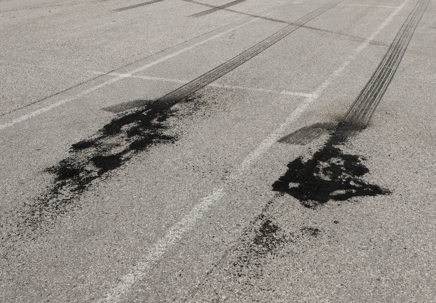
- Skid marks or debris
- Weather conditions
- Nearby buildings or landmarks
These images can help reconstruct the events leading up to the accident.
For example, photographs taken immediately after a crash on Commercial Boulevard or University Drive may show road hazards, traffic signals, or damage patterns that later support liability arguments.
Visual evidence can also counter insurance company claims that the accident was minor.
Police Accident Reports
In most motor vehicle accidents, law enforcement officers create an official report documenting the incident.
Police reports typically include:
- The date, time, and location of the accident
- Contact information for drivers and witnesses
- Statements from the parties involved
- Preliminary observations about fault
- Road and weather conditions
While police reports may not determine final liability, they often provide valuable information that supports Tamarac injury claims.
These reports can be requested through local law enforcement agencies or through the Florida Department of Highway Safety and Motor Vehicles.
Witness Statements
Independent witnesses can play a crucial role in personal injury cases.
Witnesses may include:
- Drivers who observed the accident
- Pedestrians nearby
- Passengers in involved vehicles
- Employees at nearby businesses
Witness statements can help confirm key details about how the accident occurred.
Because memories fade over time, it is helpful to obtain witness contact information as soon as possible after the incident.
Later, these witnesses may provide statements or testimony that support Tamarac injury claims.
Medical Records and Treatment Documentation
Medical evidence is one of the most important components of any personal injury claim.
Medical records help establish:
- The type of injuries sustained
- The treatment required
- The recovery timeline
- Long-term or permanent health impacts
Medical documentation may include:
- Emergency room records
- Physician reports
- Diagnostic imaging such as MRIs or X-rays
- Physical therapy records
- Prescription medication documentation
In Florida, medical documentation also plays a role in Personal Injury Protection (PIP) claims.
Accident victims must generally seek medical treatment within 14 days in order to qualify for PIP benefits.
Prompt medical care helps ensure that injuries are properly documented and linked directly to the accident.
Insurance and Communication Records
Documentation related to insurance communications can also be valuable evidence.
Victims should keep records of:
- Insurance claim numbers
- Emails and letters from insurers
- Recorded statements given to adjusters
- Settlement offers or correspondence
Insurance companies sometimes dispute details of a claim later in the process. Having written documentation helps ensure that important conversations and agreements are preserved.
Organizing these records can make it easier to track the progress of Tamarac injury claims.
Employment and Wage Documentation
Accidents often affect a person’s ability to work. Injured individuals may need time off for medical treatment, recovery, or rehabilitation.
Evidence related to employment losses may include:
- Pay stubs
- Employer letters verifying missed work
- Tax documents
- Records of lost bonuses or commissions
In serious cases, injuries may prevent someone from returning to their previous job.
Economic documentation helps demonstrate the financial impact of the accident and supports compensation claims for lost wages or reduced earning capacity.
Property Damage Evidence
Damage to vehicles or other personal property can also provide important evidence.
Photos and repair estimates may show:
- The severity of the collision
- The direction of impact
- The force involved in the accident
Vehicle damage patterns are often used by accident reconstruction experts to determine how a crash occurred.
In Tamarac injury claims involving serious collisions, this evidence can help support arguments about liability and injury severity.
Surveillance and Camera Footage
Modern technology has made video evidence increasingly important in accident investigations.
Possible sources of video footage may include:
- Traffic cameras
- Security cameras at nearby businesses
- Residential surveillance systems
- Dash cameras in vehicles
Footage from these sources can sometimes capture the accident itself or events leading up to it.
Because surveillance systems often overwrite recordings after a short period, it is important to request this footage quickly if it may be relevant.
Personal Notes and Injury Journals
In addition to official records, accident victims may benefit from keeping personal notes about their recovery.
An injury journal may include:
- Daily pain levels
- Physical limitations
- Emotional struggles after the accident
- Missed activities or family events
- Progress during rehabilitation
These notes can help illustrate how injuries affect a victim’s daily life.
Personal accounts may later support claims involving pain and suffering or loss of quality of life.
Florida’s Comparative Negligence Rule
Florida follows a modified comparative negligence system, which means responsibility for an accident can be shared between multiple parties.
Under this rule:
- Compensation may be reduced by the injured person’s percentage of fault
- Victims can recover damages only if they are less than 50% responsible
Insurance companies sometimes attempt to assign partial blame in order to reduce claim payouts.
Strong evidence helps ensure that liability is evaluated fairly in Tamarac injury claims.
Florida’s Deadline for Filing Injury Claims
Florida law also imposes strict deadlines for filing personal injury lawsuits.
Under Florida Statutes §95.11, most injury claims must be filed within two years of the accident.
Failing to meet this deadline may prevent victims from pursuing compensation.
More information about Florida statutes can be found through official state resources:
https://www.flsenate.gov/Laws/Statutes
Preserving evidence early helps strengthen a claim long before legal deadlines approach.
How Legal Guidance Can Help Preserve Evidence
Accident victims are often focused on recovery and may not realize how important certain forms of evidence are until later in the claims process.
Personal injury attorneys often assist by:
- Investigating the accident scene
- Collecting police reports and witness statements
- Obtaining surveillance footage
- Organizing medical documentation
- Consulting accident reconstruction experts
Legal guidance can help ensure that evidence is preserved and properly presented during insurance negotiations or litigation.
Speak With a Fort Lauderdale Personal Injury Lawyer About Your Tamarac Injury Claim
Evidence is the foundation of successful personal injury claims. Knowing what information to preserve can help accident victims protect their rights and pursue fair compensation after an accident.
If you or a loved one has been injured in Tamarac, Fort Lauderdale, or elsewhere in Broward County, speaking with an experienced personal injury lawyer can help clarify your legal options.
Many law firms offer free consultations and handle cases on a contingency fee basis, meaning there are no upfront legal fees unless compensation is recovered.
Legal support is often available 24/7, helping accident victims focus on recovery while pursuing the justice they deserve.