
Tamarac Evidence Checklist: Photos, Video, and Medical Proof
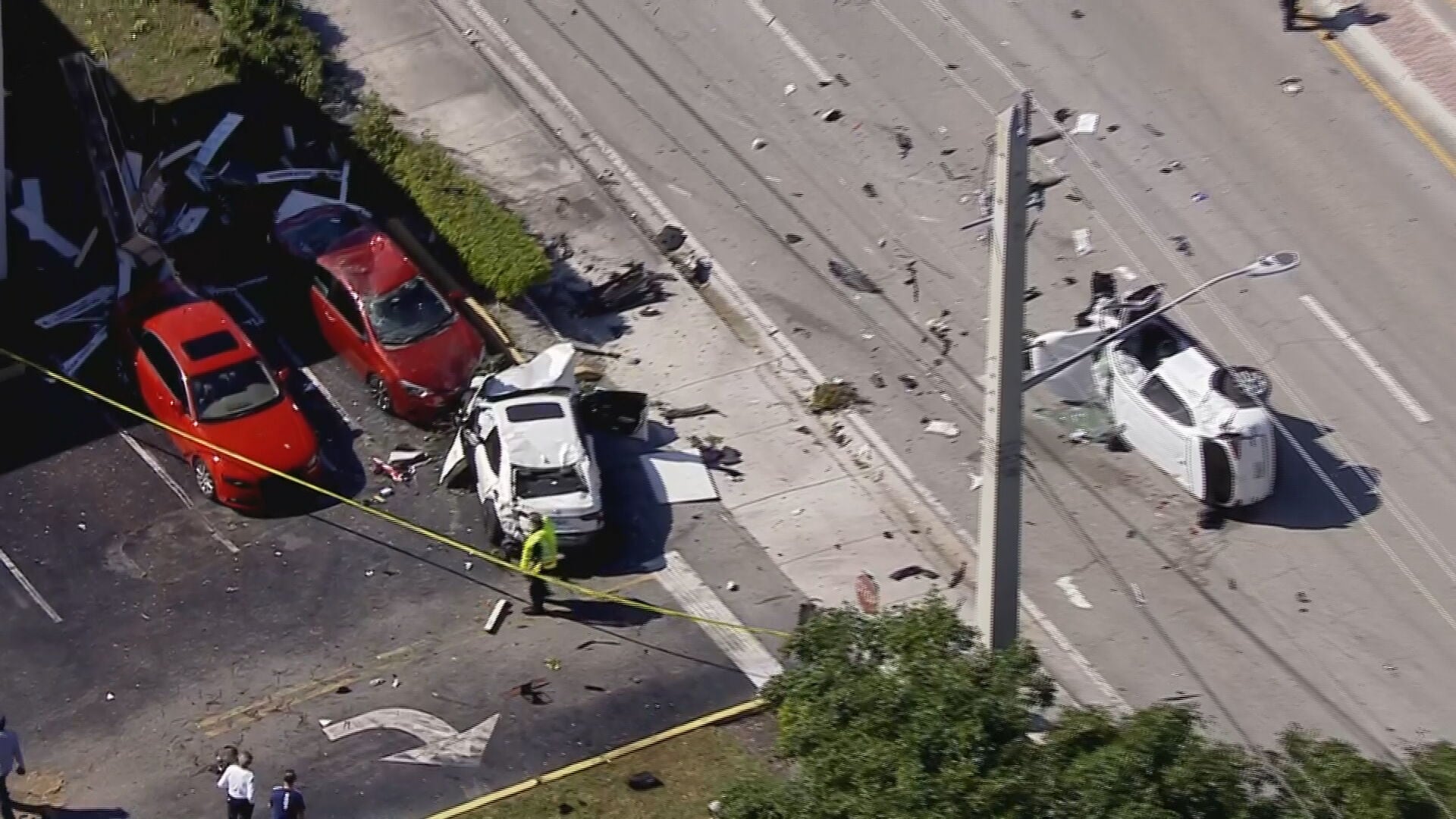
In personal injury claims in Tamarac, evidence is everything. Without thorough documentation, proving liability, damages, and the severity of injuries becomes difficult. Proper evidence can make the difference between a low settlement and full compensation.
This guide provides a comprehensive evidence checklist for Tamarac injury victims, covering photos, video, and medical documentation. Following this checklist ensures your claim is well-supported, credible, and prepared for negotiations or litigation.
Why Evidence Matters in Tamarac Personal Injury Claims
Insurance companies and courts rely heavily on evidence to establish fault and damages. Evidence serves multiple purposes:
- Proving Liability: Demonstrates who caused the accident.
- Documenting Injuries: Establishes the severity and medical necessity of treatment.
- Supporting Damages: Shows economic losses (medical bills, lost wages) and non-economic losses (pain and suffering).
- Countering Defenses: Helps refute claims that you were partially at fault or that injuries were pre-existing.
Without complete evidence, your claim may be underestimated or denied.
Section 1: Photographic Evidence
Photos are one of the most persuasive forms of evidence. They provide an objective visual record of the accident and its aftermath.
1. Accident Scene Photos
- Wide shots: Capture the full accident scene, road layout, traffic signs, and signals.
- Skid marks and debris: Document skid marks, broken vehicle parts, and road hazards.
- Weather and lighting: Show conditions like rain, fog, or poor visibility.
- Traffic conditions: Include other vehicles, pedestrians, or obstructions.
2. Vehicle Damage
- Overall vehicle condition: Front, back, and side views of all involved vehicles.
- Close-ups: Detail dents, scratches, broken mirrors, or airbags deployed.
- Repair estimates: Take photos before any repairs are made.
3. Personal Injuries
- Immediate injuries: Cuts, bruises, swelling, and bandages applied at the scene.
- Ongoing injuries: Progression of injuries over time, including post-surgery or therapy effects.
- Daily impact: Limitations in mobility or daily tasks, captured visually, can support pain and suffering claims.
Tips for Photographs
- Use high-resolution cameras or smartphones.
- Date-stamp photos if possible.
- Take multiple angles and close-ups for clarity.
- Avoid altering images; authenticity is critical.
Section 2: Video Evidence
Video can strengthen your case, particularly when photos alone do not show movement or events over time.
1. Dashcam Footage
- If your vehicle or another involved vehicle has a dashcam, save footage immediately.
- Dashcams can show speed, traffic violations, lane changes, and point of impact.
2. Surveillance Cameras
- Nearby businesses, traffic cameras, or residential cameras may have captured the accident.
- Request footage promptly; video is often overwritten after 30–60 days.
3. Smartphone Video
- If witnesses recorded the accident or aftermath, ask for copies.
- Videos showing immediate injuries or scene conditions can support your claims.
4. Time-Lapse or Progression Video
- Document your recovery process, mobility limitations, or therapy sessions over time.
- Videos demonstrating ongoing impairment can substantiate long-term damages.
Tips for Video Evidence
- Save raw, unedited footage to maintain authenticity.
- Store multiple copies securely, both digital and cloud backup.
- Note the time, date, and location for each video clip.
Section 3: Medical Documentation
Medical proof is essential for both insurance claims and potential litigation. Comprehensive records validate the extent and causation of injuries.
1. Emergency and Initial Treatment Records
- Emergency room intake forms, x-rays, CT scans, or MRI results.
- Physician notes describing injuries and initial treatment plans.
- Discharge summaries and prescribed medications.
2. Follow-Up and Specialist Care
- Notes from orthopedists, neurologists, or other specialists treating accident-related injuries.
- Therapy records, including physical, occupational, or speech therapy.
- Progress reports demonstrating recovery or ongoing limitations.
3. Medical Bills
- Itemized invoices for hospital visits, procedures, medications, and equipment.
- Receipts for over-the-counter supplies related to injuries.
4. Expert Medical Opinions
- For complex injuries, life care planners or medical experts can provide cost projections for future care.
- Experts can clarify how injuries are related to the accident versus pre-existing conditions.
Tips for Medical Documentation
- Maintain a chronological file of all medical visits and bills.
- Include doctor’s contact information for verification if needed.
- Share records with your attorney to prepare detailed demand letters or trial exhibits.
Section 4: Witness Documentation
Witnesses play a critical role in supporting your evidence.
- Contact Information: Name, phone, and email for follow-up.
- Written Statements: Ask witnesses to describe what they observed in their own words.
- Video or Photos: Witnesses may have recorded the accident or aftermath.
Credible witnesses can corroborate your account and counter opposing liability claims.
Section 5: Additional Supporting Evidence
1. Police Reports
- Include citations, officer observations, and diagrams.
- Police reports are often admitted as official evidence in court.
2. Vehicle Repair Estimates
- Document damage and repair costs before and after fixing vehicles.
- Repair shop estimates provide proof of economic losses.
3. Employment Records
- Timesheets or pay stubs showing lost wages due to injuries.
- Letters from employers documenting missed work or limitations.
4. Personal Journals
- Record daily pain, emotional impact, and functional limitations.
- Helps support non-economic damages like pain and suffering.
Section 6: Organizing Evidence
Well-organized evidence improves claim credibility and negotiation effectiveness:
- Create a Centralized File – Physical folder or digital folder with labeled subfolders for each type of evidence.
- Chronological Order – Arrange medical records, photos, and videos by date.
- Multiple Backups – Store copies on cloud storage or external drives.
- Index Exhibits – List all evidence with description, date, and relevance to your claim.
Organized evidence is easier for your attorney to use in demand letters, negotiations, or court proceedings.
Section 7: Working With Your Attorney
An attorney specializing in Tamarac personal injury claims can help:
- Identify missing or weak evidence
- Prepare effective demand letters or legal filings
- Coordinate expert analysis or accident reconstruction
- Ensure that all evidence is admissible in settlement discussions or trial
Professional guidance maximizes your claim’s strength and reduces the risk of evidence being challenged or excluded.
Bottom Line
For Tamarac accident victims, photos, videos, medical documentation, and witness statements are essential to proving fault, damages, and recovery needs. A thorough evidence collection strategy ensures that:
- Liability is clearly established
- Medical and financial damages are substantiated
- Settlement negotiations are supported with credible proof
- Litigation preparation is efficient and organized
Following this evidence checklist can significantly improve your chances of receiving fair compensation for medical expenses, lost wages, pain and suffering, and long-term care.
Key Takeaways
- Capture comprehensive photos and videos at the scene and over time.
- Maintain complete medical records and expert opinions.
- Collect witness statements and police reports promptly.
- Organize all evidence in a chronological, accessible, and secure system.
- Work with a personal injury attorney to ensure evidence is used effectively in negotiations or court.
Proper evidence collection is not optional—it’s essential for protecting your rights and maximizing compensation in Tamarac injury claims.