
Sunrise Injury Lawsuits: What Happens in Discovery
When a personal injury lawsuit is filed after an accident in Sunrise, Florida, the legal process moves through several stages before reaching a final resolution. One of the most important and often misunderstood stages is called discovery. This phase allows both sides in the lawsuit to gather information, examine evidence, and better understand the strengths and weaknesses of the case.
For injury victims in Broward County—including Sunrise and nearby cities such as Fort Lauderdale, Plantation, Davie, and Coral Springs—the discovery phase can play a critical role in determining how a personal injury claim ultimately resolves. Many cases settle during or shortly after discovery because both sides gain a clearer understanding of the available evidence.
Understanding what happens during discovery can help accident victims feel more prepared as their case moves forward.
What Discovery Means in a Personal Injury Lawsuit
Discovery is the legal process in which both parties exchange information related to the lawsuit.
The purpose of discovery is to prevent surprises at trial and allow each side to evaluate the evidence before the case proceeds further.
During discovery, attorneys may request and review materials such as:
-
medical records
-
accident reports
Additional evidence may include:
-
photographs of the accident scene
-
witness statements
This process helps attorneys determine how strong the case is and what arguments may be presented if the case goes to trial.
Why Discovery Is So Important
Discovery often reveals key information that shapes the direction of the lawsuit.
Through discovery, attorneys may learn:
-
how the accident occurred
-
how severe the injuries are
For example, witness testimony may confirm the actions of the at-fault driver in a car accident case. Medical records may demonstrate the extent of the victim’s injuries and the treatment required.
Because discovery allows both sides to examine the evidence in detail, it frequently leads to meaningful settlement discussions.
Many personal injury cases resolve before trial once the discovery process is completed.
Interrogatories: Written Questions Under Oath
One of the most common discovery tools is called interrogatories.
Interrogatories are written questions sent by one party to the other.
These questions must be answered in writing and under oath.
Interrogatories may ask about topics such as:
-
the events leading to the accident
-
the injuries suffered by the plaintiff
The defendant may also receive questions regarding their actions before the accident occurred.
For example, in a car accident case, the defendant may be asked whether they were distracted or violating traffic laws.
These responses help clarify the facts and may reveal important information about the incident.
Requests for Documents
Another important part of discovery involves requests for documents.
Both sides may request documents relevant to the case.
Examples of commonly requested documents include:
-
medical records and medical bills
-
employment records showing lost wages
Additional documents may involve:
-
insurance policies
-
maintenance records in premises liability cases
Photographs, videos, and other forms of evidence may also be requested.
These materials help attorneys evaluate the damages and determine the potential value of the claim.
Depositions: Sworn Testimony Outside the Courtroom
Depositions are another critical component of the discovery process.
A deposition is a formal interview conducted under oath.
During a deposition, attorneys question witnesses about the facts of the case.
Individuals who may participate in depositions include:
-
the injured person
-
the defendant
Other participants may include:
-
eyewitnesses to the accident
-
medical professionals who treated the injuries
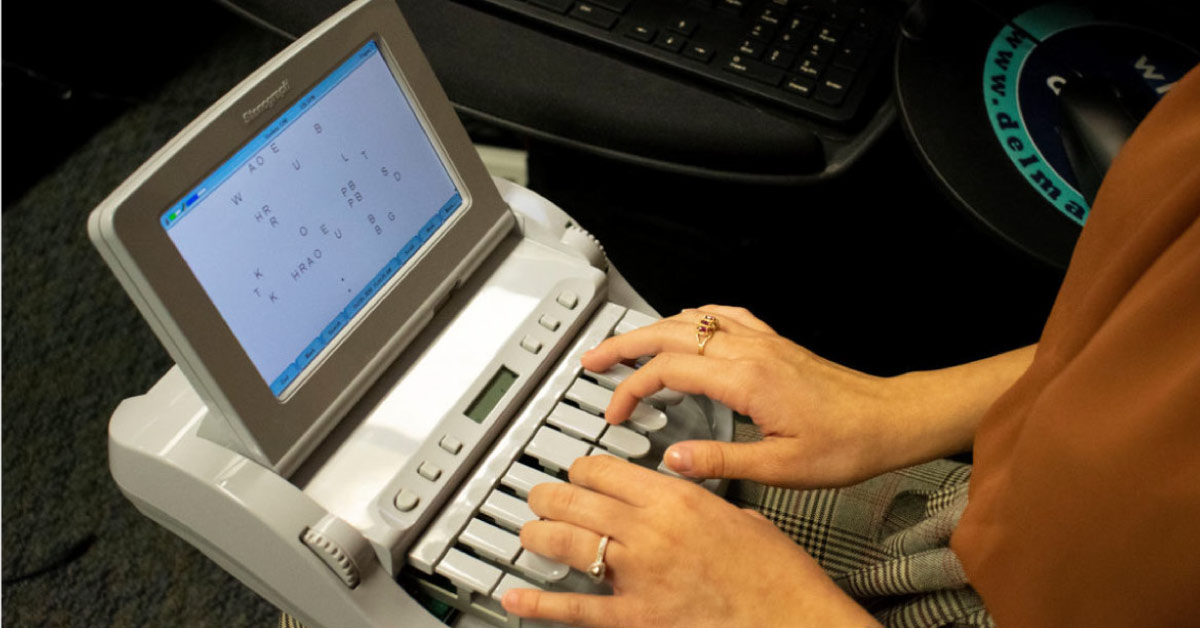
Depositions are typically recorded by a court reporter who creates a written transcript of the testimony.
In some cases, depositions may also be recorded on video.
These transcripts may later be used during settlement negotiations or trial.
Independent Medical Examinations
In many personal injury lawsuits, the defense may request that the injured person undergo an Independent Medical Examination (IME).
This exam is conducted by a physician selected by the insurance company or defense attorneys.
The purpose of the exam is to evaluate the injured person’s condition and determine whether the injuries are consistent with the claims being made.
During the examination, the doctor may:
-
review medical records
-
conduct physical tests
The doctor may then prepare a report describing their findings and opinions regarding the injury.
Expert Witness Discovery
Serious personal injury cases often involve expert witnesses who provide professional opinions.
These experts may include:
-
accident reconstruction specialists
-
medical experts
Economic experts may also evaluate the financial impact of the injuries, including lost income and future medical costs.
During discovery, both sides must disclose the experts they plan to use at trial.
Expert reports may explain the expert’s opinions and the evidence supporting those conclusions.
Attorneys may also conduct depositions of expert witnesses to question their findings.
Electronic and Digital Evidence
Modern personal injury cases often involve digital evidence.
Examples may include:
-
surveillance camera footage
-
cellphone records
Social media posts may also be reviewed during discovery.
Insurance companies sometimes examine social media activity to determine whether the injured person’s activities contradict their injury claims.
Because of this, accident victims are often advised to be cautious about what they post online while their case is ongoing.
Discovery Disputes and Court Involvement
Occasionally, disagreements arise during the discovery process.
For example, one party may argue that certain documents are confidential or not relevant to the case.
When disputes occur, attorneys may ask the court to resolve the issue.
Judges may issue orders requiring the production of certain documents or limiting the scope of discovery requests.
These rulings help ensure that the discovery process remains fair and efficient.
Florida’s Comparative Negligence Rule
Florida follows a comparative negligence system, meaning responsibility for an accident may sometimes be shared among multiple parties.
During discovery, evidence may emerge suggesting that more than one person contributed to the accident.
If the injured person is found partially responsible, compensation may be reduced according to their percentage of fault.
For example:
-
if damages total $200,000 and the victim is found 20 percent responsible
-
the recovery may be reduced to $160,000
Discovery often plays a key role in determining how fault is allocated.
How Discovery Influences Settlement Negotiations
Discovery frequently changes the dynamics of settlement discussions.
Once both sides have reviewed the evidence, they may better understand the potential outcome of a trial.
For example, strong medical evidence may demonstrate the seriousness of the injury, increasing pressure on the defense to negotiate.
Conversely, if certain evidence weakens the claim, the parties may adjust their expectations during negotiations.
Because of these factors, many personal injury cases settle shortly after discovery is completed.
How Long the Discovery Process Takes
The discovery phase can take several months depending on the complexity of the case.
Factors that may affect the timeline include:
-
the number of witnesses involved
-
the volume of documents requested
Cases involving severe injuries or multiple defendants may require additional time for expert analysis and evidence review.
Although discovery can take time, the process helps ensure that both sides have access to the information needed to present their case effectively.
The Role of Personal Injury Lawyers During Discovery
Personal injury lawyers play a critical role in managing the discovery process.
Legal professionals may help by:
-
preparing responses to discovery requests
-
gathering medical records and other documentation
Attorneys also question witnesses during depositions and work with expert witnesses to analyze evidence.
Because discovery involves detailed legal procedures and strict deadlines, experienced legal representation helps ensure that important evidence is properly handled.
Protecting Your Rights During the Discovery Process
Discovery is one of the most important stages of a personal injury lawsuit. While the process may seem complex, it helps ensure that all relevant evidence is examined before the case proceeds to trial.
For accident victims in Sunrise, understanding how discovery works can help clarify why this stage plays such an important role in building a strong injury claim.
Speak With a Fort Lauderdale Personal Injury Lawyer Today
If you were injured in Sunrise or anywhere in Broward County and your case has entered litigation, understanding the discovery process can help you prepare for the next steps in your claim.
An experienced personal injury lawyer can gather evidence, question witnesses, and protect your rights throughout the discovery process.
Most personal injury law firms offer free consultations and operate on a contingency fee basis, meaning there are no upfront legal fees.
If you have questions about personal injury lawsuits or the discovery stage of your case, legal help is available 24/7 to help you move forward with confidence.