
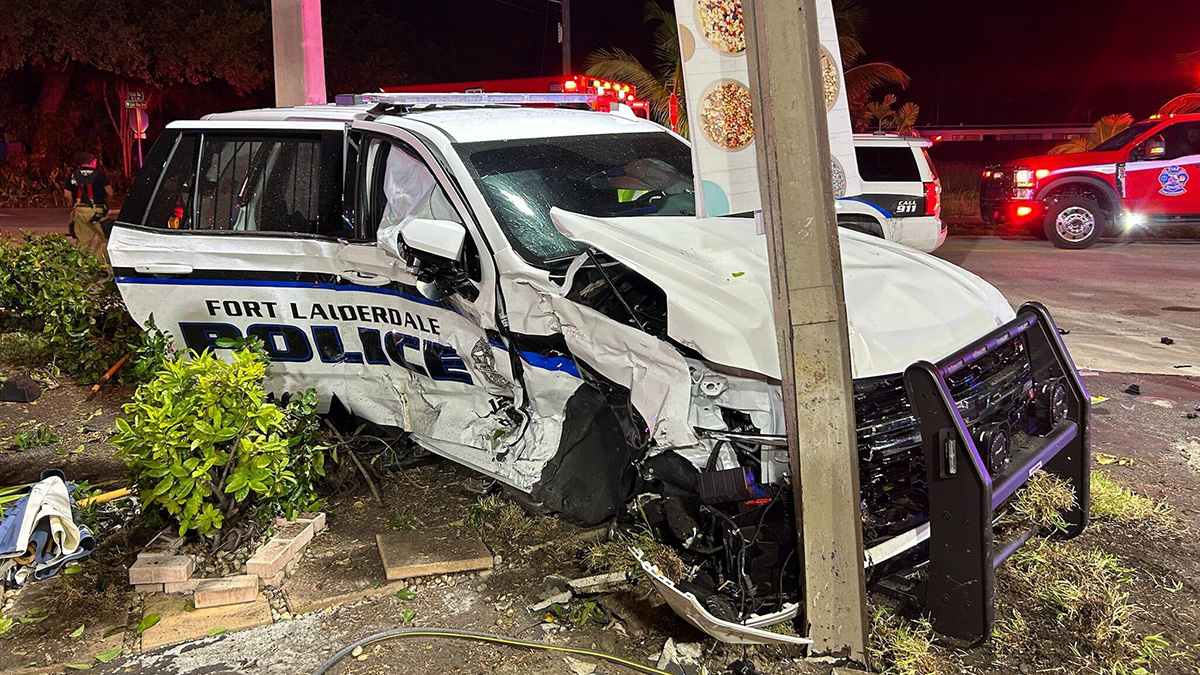
South Florida Accident Cases: Evidence Collection Strategies
After an accident in South Florida, the strength of the evidence often determines whether an injury claim succeeds or struggles. For victims in Fort Lauderdale, Wilton Manors, Hollywood, Plantation, Sunrise, Coral Springs, and throughout Broward County, collecting the right evidence early can play a major role in protecting legal rights and securing fair compensation.
Insurance companies evaluate claims based largely on documentation and proof. Without solid evidence, insurers may dispute liability, question the severity of injuries, or offer settlements that do not fully reflect the victim’s losses.
Understanding evidence collection strategies in South Florida accident cases can help injured individuals preserve critical information and build stronger claims.
Why Evidence Matters in Personal Injury Cases
Personal injury claims generally require proving that another party’s negligence caused the accident and resulted in damages.
To establish this, evidence must demonstrate:
- How the accident occurred
- Who was responsible
- The injuries sustained
- The financial and personal impact of the incident
The more detailed and reliable the evidence, the stronger the claim becomes during negotiations with insurance companies or in court proceedings.
Documenting the Accident Scene
One of the most important steps after an accident is documenting the scene as soon as possible.
Photographs and videos can capture important details that may later disappear once vehicles are moved or debris is cleared.
Important images may include:
- Vehicle damage
- Road conditions
- Traffic signals and signs
- Skid marks or debris
- Visible injuries
In busy areas of Fort Lauderdale and Wilton Manors, nearby buildings and businesses may also have surveillance cameras that captured the accident.
Police Reports and Official Documentation
When law enforcement responds to an accident, officers typically prepare an official report describing the incident.
Police accident reports often include:
- Statements from drivers and witnesses
- Observations made by officers
- Diagrams of the crash scene
- Citations issued for traffic violations
Although police reports do not always determine final liability, they often provide a valuable starting point for investigations and insurance claims.
Witness Statements
Witness testimony can play a significant role in accident cases.
Independent witnesses may provide unbiased accounts of what occurred before and during the accident.
Witnesses may be able to confirm:
- Which driver had the right of way
- Whether a driver appeared distracted or impaired
- How the accident unfolded
Obtaining witness contact information early can help attorneys gather statements while memories are still fresh.
Medical Documentation
Medical records are essential evidence in injury claims.
These records help establish:
- The type and severity of injuries
- The treatment required
- The connection between the accident and the injury
Important medical documentation may include:
- Emergency room records
- Diagnostic imaging such as X-rays or MRIs
- Physician reports
- Physical therapy records
- Surgical reports
Consistent medical treatment and detailed records help demonstrate the true impact of an injury.
Surveillance and Video Footage
Video evidence can provide powerful proof in accident cases.
Possible sources of footage include:
- Traffic cameras
- Dashcam recordings
- Security cameras from nearby businesses
- Residential doorbell cameras
In many South Florida communities, surveillance cameras are common in commercial areas and residential neighborhoods.
Video evidence can clarify how an accident occurred and may show details that witnesses or drivers missed.
Accident Reconstruction Experts
In complex cases, accident reconstruction specialists may analyze physical evidence to determine how a crash occurred.
These experts often examine:
- Vehicle damage patterns
- Skid marks and impact points
- Roadway conditions
- Data from vehicle event recorders
Accident reconstruction analysis can help explain technical details that support liability arguments.
Financial and Employment Records
Evidence of financial losses is also necessary to support compensation claims.
Important documentation may include:
- Medical bills and receipts
- Pay stubs showing lost wages
- Employer verification of missed work
- Tax records or business documents for self-employed individuals
These records help demonstrate the economic impact of the accident.
Preserving Evidence Early
Evidence can disappear quickly after an accident.
Vehicles are repaired, roadways are cleared, and witnesses may become difficult to locate. Acting quickly to preserve evidence can significantly strengthen a claim.
Important steps may include:
- Taking photos and videos immediately after the accident
- Collecting witness contact information
- Keeping copies of medical records and bills
- Saving dashcam footage
- Maintaining records of accident-related expenses
Preserving evidence early ensures that key details are not lost.
Florida’s Comparative Negligence Rule
Evidence is especially important in Florida because the state follows a comparative negligence system.
Under this rule, compensation may be reduced if the injured person shares responsibility for the accident.
For example, if a victim is found 20 percent responsible, their compensation may be reduced by 20 percent.
This rule is outlined under Florida Statute §768.81:
https://www.flsenate.gov/Laws/Statutes/768.81
Because insurance companies sometimes attempt to assign partial blame to accident victims, strong evidence can help protect the value of a claim.
Florida’s No-Fault Insurance Requirements
For motor vehicle accidents, Florida drivers typically rely first on their own Personal Injury Protection (PIP) insurance coverage.
PIP generally pays:
- Up to 80% of medical expenses
- Up to 60% of lost wages
Benefits are usually limited to $10,000, and accident victims must seek medical treatment within 14 days to qualify for coverage.
These requirements are outlined under Florida Statute §627.736:
https://www.flsenate.gov/Laws/Statutes/627.736
When injuries exceed PIP limits, victims may pursue compensation from the at-fault party.
Why Legal Guidance Can Be Important
Collecting and organizing evidence can be challenging, particularly when dealing with injuries and insurance companies at the same time.
An experienced Fort Lauderdale personal injury attorney can help by:
- Investigating the accident thoroughly
- Gathering and preserving evidence
- Interviewing witnesses
- Consulting expert witnesses
- Negotiating with insurance companies
Legal guidance can help ensure that evidence is properly collected and presented to support a strong claim.
Speak With a Fort Lauderdale Personal Injury Lawyer
If you were injured in an accident in Fort Lauderdale, Wilton Manors, Hollywood, Plantation, Sunrise, Coral Springs, or anywhere in Broward County, collecting strong evidence can be essential to protecting your legal rights.
A knowledgeable Fort Lauderdale personal injury lawyer can investigate the circumstances of your accident, gather the necessary evidence, and help you pursue compensation for your medical bills, lost wages, and pain and suffering.
Most personal injury law firms offer free consultations and work on a contingency fee basis, meaning there are no upfront legal costs.
If you have questions about evidence collection or want to explore your legal options after a South Florida accident, speaking with an experienced attorney can help you move forward with confidence.