
Plantation Injury Victims: Understanding Your Compensation Rights
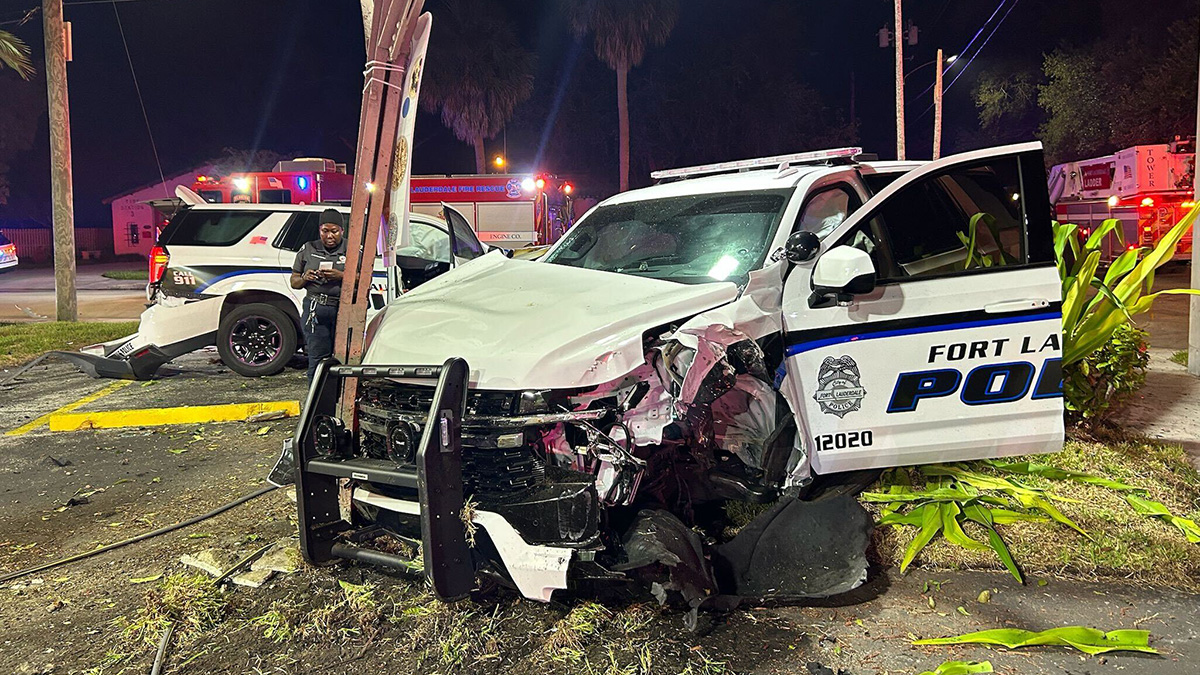
Suffering an injury in Plantation, Florida can be a life-changing experience. Whether it’s a car accident, slip and fall, workplace injury, or pedestrian collision, victims face not only physical and emotional challenges but also significant financial burdens. Understanding your compensation rights under Florida law is essential to protect yourself and ensure that you recover fully from your losses.
This article provides a comprehensive guide for Plantation injury victims, detailing the types of compensation available, legal considerations, insurance dynamics, and why working with an experienced personal injury attorney is crucial.
The Purpose of Compensation in Florida Personal Injury Law
The primary goal of personal injury compensation is to make victims whole, covering both tangible losses and intangible impacts caused by the accident. Florida law allows injured individuals to seek damages for:
- Economic Damages – Quantifiable financial losses such as medical bills, property damage, and lost wages.
- Non-Economic Damages – Subjective losses, including pain and suffering, emotional distress, and loss of enjoyment of life.
- Punitive Damages – In rare cases involving egregious conduct, courts may award punitive damages to punish the wrongdoer.
Understanding what you are entitled to and how damages are calculated is key to protecting your rights in Plantation and the surrounding Broward County communities like Fort Lauderdale, Hollywood, Davie, Sunrise, and Coral Springs.
Economic Damages: Covering Tangible Losses
Economic damages are the most straightforward part of a compensation claim because they can be documented and quantified. They include:
1. Medical Expenses
- Immediate Treatment: Emergency room visits, hospital stays, and surgeries.
- Ongoing Care: Physical therapy, chiropractic treatments, medications, and assistive devices.
- Future Medical Costs: Rehabilitation, future surgeries, and long-term care.
Maintaining detailed medical records and bills is essential. Delayed treatment or incomplete documentation can weaken your claim and allow insurance companies to dispute the necessity of care.
2. Lost Wages
- Compensation is available for time missed from work due to injuries.
- Documentation from employers, pay stubs, and tax records supports claims for lost income.
- For individuals with long-term or permanent injuries, claims may also include future lost earning capacity.
3. Property Damage
- Damages to vehicles, personal belongings, or property at the accident scene can be recovered.
- Receipts, repair estimates, or photographs provide evidence for reimbursement.
Non-Economic Damages: Addressing Pain and Suffering
Non-economic damages are less tangible but just as important in evaluating full compensation. They can include:
- Pain and Suffering: Physical discomfort, ongoing pain, and recovery-related challenges.
- Emotional Distress: Anxiety, depression, or trauma resulting from the accident.
- Loss of Enjoyment of Life: Limitations on activities previously enjoyed, hobbies, or family interactions.
- Loss of Consortium: Impact on relationships with spouses or family members, particularly in severe injury or wrongful death cases.
Non-economic damages often require detailed documentation, including medical opinions, personal journals, photographs, and expert testimony, to establish the extent of the impact on daily life.
Comparative Negligence in Florida
Florida applies a pure comparative negligence standard (Fla. Stat. § 768.81). This legal principle affects compensation rights:
- If a victim is partially at fault for the accident, their compensation is reduced proportionally.
- Example: If a jury determines the victim is 20% at fault and damages total $100,000, the award would be reduced by $20,000, leaving $80,000.
- Even if a victim is mostly at fault, they can still recover the remaining percentage of damages.
Understanding comparative negligence is critical in Plantation, where multi-vehicle accidents or pedestrian incidents often involve shared responsibility. Proper evidence and legal strategy can minimize the reduction in compensation.
Insurance and Compensation Rights
Insurance coverage plays a central role in personal injury compensation:
1. Personal Injury Protection (PIP)
- Florida’s no-fault system requires drivers to carry PIP insurance, covering up to $10,000 in medical expenses and lost wages regardless of fault.
- PIP is typically the first source of payment, but it does not cover pain and suffering.
2. Liability Insurance
- Covers damages caused by the at-fault party, including both economic and non-economic losses.
- A claim against liability insurance often requires documentation proving fault, causation, and damages.
3. Uninsured / Underinsured Motorist Coverage
- Protects victims when the responsible party lacks sufficient insurance.
- May require negotiation and evidence to ensure full recovery.
4. Health Insurance Coordination
- Health insurance may cover immediate medical expenses but may seek reimbursement from settlement proceeds.
- Coordination ensures no double payment and protects the victim from losing benefits.
The Importance of Evidence in Protecting Compensation Rights
Proper documentation is essential to support compensation claims. Key elements include:
- Medical Records: ER reports, diagnostic imaging, treatment notes, therapy records.
- Financial Records: Medical bills, receipts, pay stubs, and repair invoices.
- Accident Scene Documentation: Photos, videos, police reports, diagrams, and witness statements.
- Personal Documentation: Journals or logs detailing pain, limitations, and emotional impact.
Evidence establishes a clear causal link between the accident and injuries, strengthens settlement negotiations, and provides a foundation for litigation if necessary.
Negotiation and Legal Representation
Insurance adjusters are trained to minimize payouts, often using tactics such as:
- Offering early low settlements.
- Questioning the necessity or extent of medical treatment.
- Suggesting partial fault under comparative negligence.
Professional legal representation ensures that your rights are protected throughout negotiations. Attorneys in Plantation can:
- Review and organize all evidence.
- Calculate the full value of economic and non-economic damages.
- Negotiate strategically with insurance companies to maximize compensation.
- Prepare for litigation if insurers refuse a fair settlement.
Steps Plantation Injury Victims Should Take
- Seek Prompt Medical Treatment: Establishes documented proof of injuries and medical necessity.
- Document Everything: Keep detailed records of medical care, financial losses, and accident scene evidence.
- Preserve Witness Information: Names, contact information, and statements are crucial.
- Avoid Early Settlement Offers: Do not accept the first offer without evaluating the full scope of damages.
- Consult a Personal Injury Attorney: Early legal guidance ensures all compensation rights are protected and evidence is preserved.
Conclusion
In Plantation, injury victims have the right to pursue compensation for medical expenses, lost wages, property damage, pain and suffering, and long-term impacts. Understanding your legal rights and the compensation process is essential for recovering fully after an accident.
For residents in Fort Lauderdale, Hollywood, Davie, Sunrise, Coral Springs, and other parts of Broward County, early consultation with a Plantation personal injury attorney ensures that all damages are documented, evidence is preserved, and insurance negotiations are conducted effectively.
By taking proactive steps—seeking immediate medical care, collecting thorough evidence, and working with experienced legal counsel—Plantation accident victims can protect their rights, maximize recovery, and focus on healing while their claim is handled professionally.