
Plantation Injury Claims: Understanding Insurance Negotiation Strategies
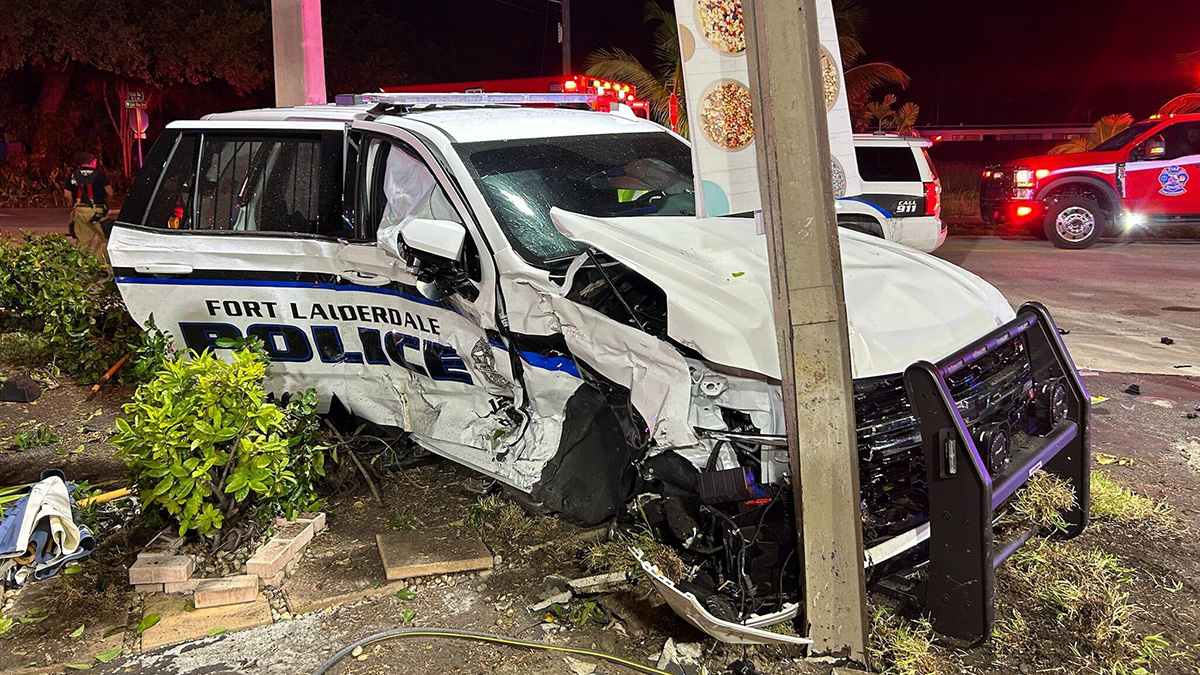
After an accident in Plantation, Florida, victims are often faced with a maze of paperwork, medical bills, lost wages, and conversations with insurance companies. Whether the incident involves a car crash, slip and fall, workplace accident, or motorcycle collision, understanding how insurance negotiation works is essential for securing fair compensation. Insurance companies use specific strategies to minimize payouts, and knowing how these tactics operate can empower victims to protect their rights.
This article explores insurance negotiation strategies in Plantation injury claims, how insurance companies evaluate settlements, common challenges victims face, and why professional legal representation is crucial in navigating this process.
The Role of Insurance in Plantation Personal Injury Claims
Insurance is typically the primary source of compensation in personal injury cases. Several types of coverage may be involved:
- Personal Injury Protection (PIP) / No-Fault Insurance
- Florida requires drivers to carry PIP coverage, which pays up to $10,000 for medical expenses and lost wages, regardless of fault.
- PIP is often the first avenue for medical bills, but it does not cover non-economic damages like pain and suffering.
- Liability Insurance
- Covers the at-fault party’s responsibility for economic and non-economic damages.
- A key focus in insurance negotiations, particularly for serious injuries or accidents with substantial property damage.
- Uninsured / Underinsured Motorist Coverage
- Protects victims when the responsible party lacks sufficient insurance.
- Requires careful negotiation and documentation to access available benefits.
- Homeowners or Business Insurance
- May be applicable in slip-and-fall accidents or premises liability cases.
Understanding which insurance policies are relevant is a critical first step in developing an effective negotiation strategy.
How Insurance Companies Approach Negotiations
Insurance companies are profit-driven and often aim to minimize claim payouts. Their strategies typically include:
- Early Contact and Recorded Statements
- Adjusters may request a statement soon after the accident.
- Questions can appear casual but may be used to suggest inconsistencies or minimize the claim.
- Low Initial Settlement Offers
- Early offers are often significantly below the claim’s true value.
- Insurance companies anticipate negotiation and attempt to resolve claims for the least possible cost.
- Questioning Medical Necessity
- Adjusters scrutinize whether treatments were necessary and related to the accident.
- Delayed treatment or missing documentation can lead to reduced settlement offers.
- Comparative Negligence Arguments
- Florida’s pure comparative negligence rules allow insurers to reduce payouts if the victim is partially at fault.
- Adjusters may overstate victim responsibility to lower compensation.
- Extending Delays
- Insurance companies may slow down claim processing in hopes victims accept lower settlements due to mounting bills or frustration.
Recognizing these tactics helps victims avoid mistakes that could compromise their claims.
Preparing for Successful Insurance Negotiation
Effective negotiation begins with preparation and documentation. Key steps include:
1. Collect and Organize Evidence
- Medical Records: ER reports, physician notes, therapy records, diagnostic imaging.
- Financial Documentation: Medical bills, repair invoices, pay stubs for lost wages.
- Accident Scene Evidence: Photos, videos, police reports, and witness statements.
Organized evidence allows victims and their attorneys to demonstrate liability, causation, and damages clearly.
2. Understand Your Damages
- Economic Damages: Easily quantified costs, such as medical bills and lost income.
- Non-Economic Damages: Pain and suffering, emotional distress, loss of enjoyment of life.
- Future Damages: Long-term medical care, rehabilitation, and reduced earning capacity.
An accurate assessment of all damages prevents undervaluation by insurance adjusters.
3. Establish Clear Communication
- Limit direct conversations with insurance adjusters before consulting an attorney.
- Document all communications, including phone calls, emails, and letters.
- Avoid admitting fault or agreeing to recorded statements without legal guidance.
4. Be Aware of Settlement Deadlines
- Settlement offers often include deadlines that pressure victims to accept quickly.
- Legal counsel can review offers and advise on timing, ensuring decisions are informed.
Negotiation Strategies for Maximizing Compensation
1. Start with a Strong Initial Demand
- A comprehensive demand package includes a detailed description of the accident, medical evidence, financial losses, and supporting documentation.
- Clearly stating the full value of damages sets the tone for negotiation and prevents insurers from undervaluing the claim.
2. Counter Lowball Offers Effectively
- Insurance companies often start with low offers.
- Attorneys can respond with detailed evidence and legal justification, demonstrating why the initial offer is insufficient.
3. Leverage Expert Opinions
- Medical experts can clarify injury severity and treatment needs.
- Accident reconstruction specialists or engineers may establish liability and causation.
- Expert testimony strengthens negotiation by providing objective support for your claims.
4. Consider Settlement Timing
- Early settlements may save time and reduce stress, but premature acceptance can limit recovery.
- Attorneys weigh the risks and benefits, considering whether further negotiation or litigation is warranted.
5. Prepare for Litigation if Necessary
- Being prepared to file a lawsuit demonstrates seriousness to insurers.
- Cases backed by strong documentation and legal strategy often encourage fairer settlement offers.
Common Pitfalls to Avoid in Plantation Insurance Negotiations
- Accepting the First Offer
- Initial offers are rarely fair; careful evaluation is necessary.
- Delaying Medical Treatment
- Late treatment can weaken claims for both medical expenses and pain and suffering.
- Posting Details on Social Media
- Insurers may use posts to challenge credibility or suggest exaggeration.
- Providing Incomplete Documentation
- Missing bills, witness statements, or police reports can reduce leverage.
- Negotiating Without Legal Advice
- Adjusters are trained negotiators; attempting to negotiate alone can result in undervalued settlements.
Why a Plantation Personal Injury Attorney Is Crucial
Attorneys specializing in Plantation personal injury cases provide essential guidance:
- Evidence Management: Ensures all documentation is complete, organized, and admissible.
- Insurance Communication: Handles discussions with adjusters to prevent mistakes and protect rights.
- Damage Assessment: Accurately calculates economic and non-economic damages, including future medical needs.
- Strategic Negotiation: Advocates for full settlement value, countering lowball offers with supporting evidence.
- Litigation Readiness: Prepares cases for trial if insurers refuse fair compensation.
Experienced attorneys can identify all potential sources of recovery, including multiple insurance policies, uninsured motorist coverage, and third-party claims, ensuring victims receive comprehensive compensation.
Steps for Plantation Injury Victims
- Seek Immediate Medical Care: Establishes documented proof of injuries.
- Document Everything: Keep bills, receipts, pay stubs, photos, and accident reports.
- Avoid Early Settlement Pressure: Don’t accept quick offers without evaluating the full extent of damages.
- Consult a Personal Injury Attorney Early: Legal guidance maximizes negotiation effectiveness.
- Maintain Detailed Communication Records: Emails, phone calls, and letters provide a clear negotiation history.
Conclusion
Insurance negotiation is a critical aspect of Plantation personal injury claims. Victims must understand how adjusters evaluate claims, what strategies are used to minimize payouts, and how to leverage evidence to secure fair compensation.
For residents in Fort Lauderdale, Hollywood, Davie, Sunrise, Coral Springs, and other Broward County communities, early legal guidance is essential. A Plantation personal injury attorney ensures that documentation is thorough, evidence is preserved, and negotiation strategies are employed effectively.
By combining organized records, expert testimony, and strategic legal advocacy, injury victims can protect their rights, counter insurance tactics, and achieve the full financial recovery necessary to cover medical expenses, lost wages, pain and suffering, and long-term care needs.