
Plantation Injuries: When Ongoing Treatment Increases Value
After an accident in Plantation, Florida, the path to recovery often involves more than a single medical visit. Many injuries require weeks or months of treatment, rehabilitation, and follow-up care. While this extended treatment process can be physically and emotionally challenging, it also plays an important role in personal injury claims.
Ongoing medical treatment often helps demonstrate the seriousness of an injury and its long-term impact on a victim’s life. Insurance companies frequently evaluate treatment history when determining the value of a personal injury claim. For accident victims in Plantation and throughout Broward County, consistent medical care may significantly influence the compensation available in a settlement or lawsuit.
Understanding how ongoing treatment affects injury claims can help accident victims protect their legal rights and ensure that their damages are fully documented.
Why Medical Treatment Matters in Injury Claims
Medical treatment provides the foundation for most personal injury cases. Medical records document the injuries sustained, the treatment required, and the expected recovery timeline.
These records help establish several important aspects of a claim, including:
-
The severity of the injury
-
The type of treatment required
-
The connection between the accident and the injury
Insurance companies often rely heavily on medical documentation when evaluating claims.
When treatment is ongoing, it may indicate that the injury has a lasting impact that requires continued care.
Common Injuries That Require Ongoing Treatment
Some injuries resolve quickly, while others require long-term medical care.
Common injuries that may involve extended treatment include:
-
spinal injuries
-
traumatic brain injuries
-
severe fractures
-
ligament or joint injuries
-
chronic pain conditions
These injuries often require multiple stages of treatment, including specialist care and rehabilitation.
Hospitals and medical providers across Broward County—including facilities in Plantation, Fort Lauderdale, Sunrise, and Coral Springs—regularly treat accident victims who need ongoing medical care after serious injuries.
Types of Ongoing Treatment That May Affect Claim Value
Several forms of ongoing medical care may increase the value of a personal injury claim because they demonstrate the seriousness of the injury.
Physical Therapy
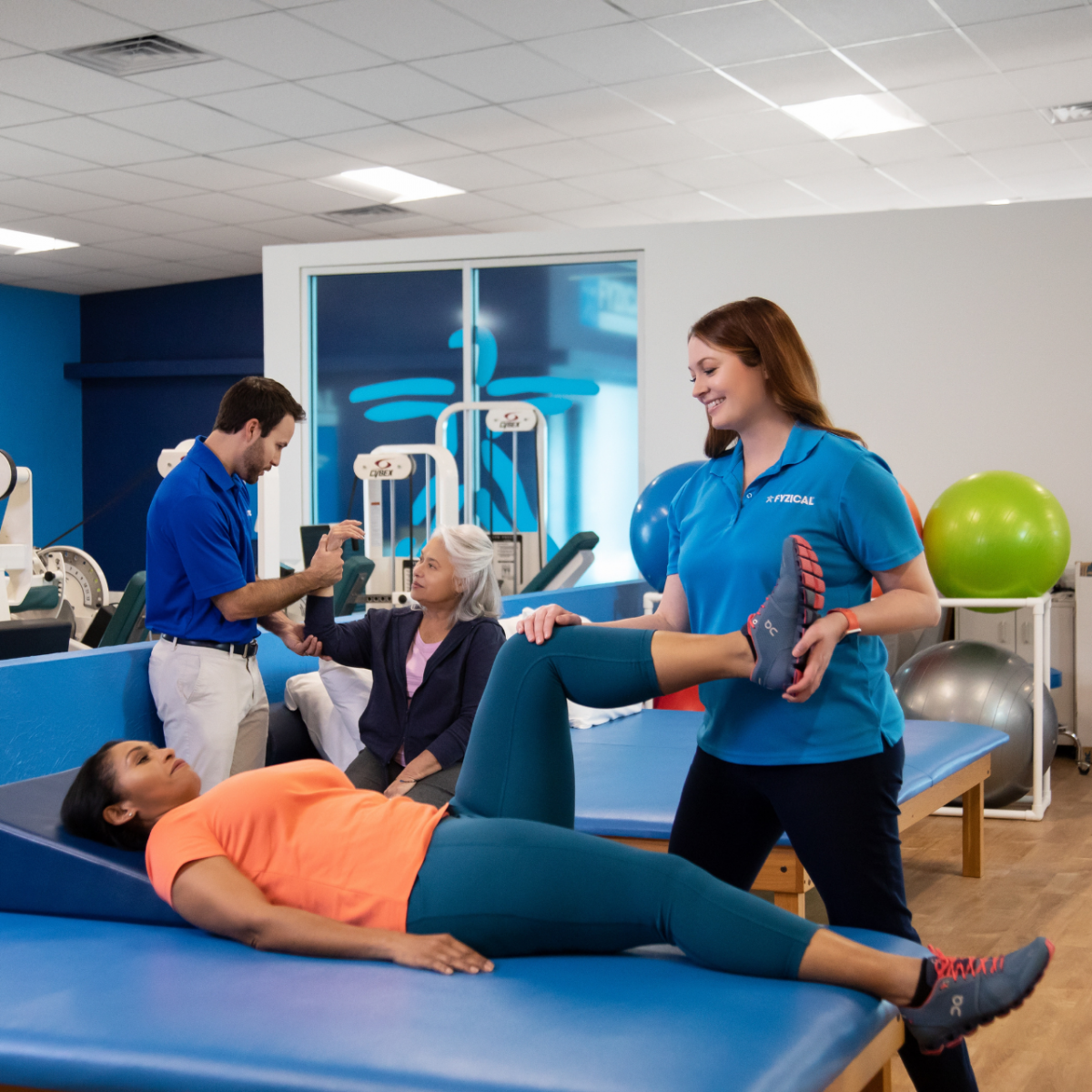
Physical therapy is commonly prescribed after accidents involving muscle, joint, or spinal injuries.
Therapy sessions may include exercises, stretching routines, and specialized rehabilitation techniques.
The number of therapy sessions required often reflects the severity of the injury.
Chiropractic Treatment
Some accident victims receive chiropractic care to address back and neck injuries.
Chiropractic adjustments and related treatments may help reduce pain and restore mobility.
Insurance companies may review these treatment records when evaluating claims.
Specialist Care
In some cases, accident victims may require treatment from specialists such as orthopedic surgeons or neurologists.
Specialist evaluations often provide detailed medical assessments that support injury claims.
Pain Management
Chronic pain following an accident may require specialized pain management treatments.
These treatments may include injections, medications, or other therapies.
Pain management records can demonstrate the long-term effects of the injury.
Surgical Procedures
Serious injuries sometimes require surgery.
Surgical procedures and follow-up care often significantly increase the value of personal injury claims due to the associated medical expenses and recovery time.
The Role of Maximum Medical Improvement
Personal injury cases often consider the concept of maximum medical improvement (MMI).
Maximum medical improvement occurs when doctors determine that the patient’s condition has stabilized and further recovery is unlikely.
At this stage, medical professionals may assess:
-
permanent impairments
-
long-term treatment needs
-
ongoing limitations
Settlement negotiations often begin once the injured person reaches maximum medical improvement.
This allows both sides to better understand the full impact of the injury.
Medical Documentation and Claim Value
Medical documentation created during ongoing treatment is critical for establishing damages in a personal injury case.
Important medical evidence may include:
-
physician reports
-
therapy records
-
diagnostic imaging results
-
prescription records
These records help demonstrate how the injury affected the victim’s health and daily life.
Consistent medical treatment also shows that the victim took the injury seriously and followed medical advice.
Florida’s Comparative Negligence Rule
Florida follows a comparative negligence system, meaning that more than one party may share responsibility for an accident.
If the injured person is partially responsible for the accident, compensation may be reduced based on their percentage of fault.
For example, if damages total $100,000 but the injured person is found 20 percent responsible, compensation may be reduced to $80,000.
Insurance companies may attempt to argue that treatment was excessive or unrelated to the accident.
Strong medical documentation can help counter these arguments.
Why Insurance Companies Question Ongoing Treatment
Insurance companies often review medical records carefully when evaluating personal injury claims.
In some cases, insurers may question whether ongoing treatment is necessary.
Common arguments from insurance companies may include:
-
the injury should have healed sooner
-
the treatment was excessive
-
the symptoms are unrelated to the accident
Medical experts and consistent treatment records often help address these challenges.
The Importance of Following Medical Advice
Accident victims are often advised to follow all medical recommendations from their healthcare providers.
Skipping appointments or discontinuing treatment early may create gaps in medical documentation.
Insurance companies sometimes use treatment gaps to argue that the injury was not serious.
Following the prescribed treatment plan helps ensure that recovery is properly documented.
How Ongoing Treatment Reflects Injury Severity
When injuries require extended care, it often reflects the complexity of the medical condition.
For example:
-
multiple therapy sessions may indicate mobility limitations
-
specialist visits may reflect neurological or orthopedic concerns
-
surgical procedures may demonstrate severe trauma
These factors often contribute to the overall value of the claim.
Economic and Non-Economic Damages
Ongoing treatment may affect both economic and non-economic damages in a personal injury case.
Economic Damages
Economic damages include measurable financial losses such as:
-
medical bills
-
rehabilitation costs
-
lost wages
Long-term treatment often increases these expenses.
Non-Economic Damages
Non-economic damages include:
-
pain and suffering
-
emotional distress
-
reduced quality of life
Extended recovery periods often increase these damages because they reflect the ongoing impact of the injury.
How Medical Experts Support Injury Claims
Medical experts may play an important role in personal injury cases involving ongoing treatment.
Experts may review medical records and provide opinions about:
-
the cause of the injury
-
the expected recovery timeline
-
future treatment needs
These expert opinions may strengthen claims during negotiations or court proceedings.
The Role of Legal Representation
Personal injury lawyers often work closely with medical providers and experts to evaluate the impact of ongoing treatment.
Legal professionals may help by:
-
gathering medical documentation
-
calculating damages
-
negotiating with insurance companies
-
presenting evidence during settlement discussions
This process helps ensure that ongoing treatment is properly considered when determining compensation.
Protecting Your Personal Injury Claim
Recovering from an injury can take time, and ongoing medical treatment is often necessary for proper healing. While extended treatment may feel overwhelming, it can also provide valuable documentation that supports a personal injury claim.
By seeking appropriate care and maintaining accurate records, accident victims in Plantation can strengthen their cases and pursue fair compensation for their injuries.
Speak With a Fort Lauderdale Personal Injury Lawyer Today
If you were injured in an accident in Plantation or anywhere in Broward County, you may have the right to pursue compensation for medical expenses, lost wages, and other damages.
An experienced personal injury lawyer can review your medical records, evaluate the impact of ongoing treatment, and help you pursue the compensation you deserve.
Most personal injury law firms offer free consultations and operate on a contingency fee basis, meaning you pay no upfront fees.
If you have questions about a Plantation personal injury claim, legal help is available 24/7 to help you move forward with confidence.