
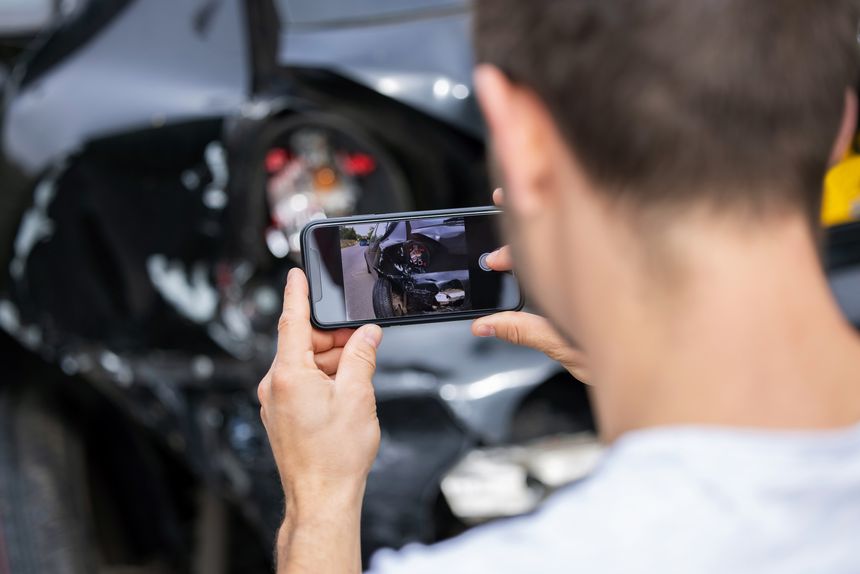
Plantation Crash Evidence: Using Photos and Video Effectively
Car accidents occur every day in Plantation, Florida, and across Broward County. Whether a crash happens on a busy roadway, a residential street, or a parking lot, the moments immediately following the accident can play a major role in determining the outcome of an injury claim.
While police reports and medical records are important, photos and video evidence often provide some of the clearest and most persuasive proof in a car accident case. Images captured at the accident scene can help demonstrate exactly how the crash occurred, who may be responsible, and how severe the damage and injuries were.
In today’s digital world, most people carry smartphones capable of recording high-quality images and videos. When used effectively, these tools can help accident victims in Plantation preserve critical evidence and strengthen their personal injury claims.
Why Visual Evidence Matters After a Crash
Photos and videos offer a unique advantage in accident investigations. Unlike written descriptions, visual evidence can capture the scene exactly as it appeared at the time of the incident.
This type of evidence may help show:
-
Vehicle damage
-
Road conditions
-
Traffic signals
-
Weather conditions
-
The position of vehicles after the crash
Insurance companies and attorneys often rely heavily on visual evidence when determining fault.
Without photos or video, accident victims may be forced to rely on conflicting statements from drivers or witnesses.
Common Causes of Car Accidents in Plantation
Plantation is located in a busy area of Broward County with major roads connecting it to Fort Lauderdale, Sunrise, and Davie. Heavy traffic and daily commuters increase the risk of collisions.
Some of the most common causes of crashes in the area include:
-
Distracted driving
-
Speeding
-
Failure to yield at intersections
-
Running red lights
-
Aggressive driving
Visual evidence can help demonstrate when these types of negligent behaviors contributed to a crash.
Photographing the Accident Scene
One of the most important steps after a crash is documenting the accident scene before vehicles are moved or conditions change.
Photos should capture the entire scene from multiple angles.
Important details to photograph include:
Vehicle Positions
Take wide-angle photos showing the location of each vehicle involved in the crash.
This can help accident investigators determine how the collision occurred.
Damage to Vehicles
Photograph all visible damage to the vehicles involved.
Close-up photos of dents, broken glass, and deployed airbags may help demonstrate the severity of the impact.
Roadway Conditions
Images of the road surface may reveal factors that contributed to the accident, such as:
-
Skid marks
-
Debris
-
Potholes
-
Oil spills
These details may provide important clues during an investigation.
Traffic Signs and Signals
Traffic lights, stop signs, and road markings can be important evidence.
Photos showing these elements may help determine which driver had the right of way.
Weather and Visibility Conditions
Weather conditions may affect road safety.
Images of rain, fog, or poor lighting can help illustrate the circumstances surrounding the accident.
Using Video to Capture the Scene
Video recordings can provide additional context that photographs alone may not capture.
A short video walkthrough of the accident scene can document:
-
Vehicle positions
-
Traffic flow
-
Road hazards
-
Surrounding landmarks
Videos may also capture statements from drivers or witnesses at the scene.
However, victims should avoid arguing with other drivers on camera.
The goal is simply to document the situation.
Documenting Injuries With Photos
Photographs of injuries can provide valuable evidence in personal injury claims.
Injury photos should be taken as soon as possible after the accident.
Examples of injuries to document include:
-
Cuts and bruises
-
Swelling
-
Burns
-
Broken bones
-
Medical devices such as braces or casts
Because injuries often change during recovery, it is helpful to take photos over time.
These images may demonstrate the progression of the injury and the challenges involved in recovery.
Capturing Property Damage
Damage to personal property may also play a role in an accident claim.
Photographs should include:
-
Damaged vehicles
-
Broken personal items inside the vehicle
-
Damage to nearby property or structures
This documentation can support claims for property damage compensation.
The Role of Dashcam Footage
Dash cameras are becoming increasingly common among drivers.
Dashcam footage may provide a clear, unbiased recording of how a crash occurred.
This footage may show:
-
Traffic light changes
-
Driver behavior
-
The exact moment of impact
Dashcam recordings can be extremely valuable evidence in determining liability.
Preserving Surveillance Footage
Many businesses and residential areas in Plantation use security cameras.
Nearby surveillance systems may have captured the accident.
Examples of locations where cameras may exist include:
-
Shopping centers
-
Parking garages
-
Apartment complexes
-
Traffic intersections
However, surveillance footage is often automatically deleted after a short period.
Accident victims or their attorneys may request that this footage be preserved before it disappears.
Florida’s Comparative Negligence Rule
Florida follows a comparative negligence system, meaning that more than one party may share responsibility for an accident.
If the injured person is partially responsible for the crash, their compensation may be reduced based on their percentage of fault.
Insurance companies often attempt to shift blame to the victim.
Photos and video evidence can help counter these arguments by clearly demonstrating what occurred.
How Insurance Companies Use Visual Evidence
Insurance companies carefully review photos and videos during claim evaluations.
They may analyze:
-
Vehicle damage patterns
-
The location of vehicles after the crash
-
Road conditions
-
Traffic signals
Clear visual evidence can strengthen a claim by supporting the injured person’s account of the accident.
In many cases, strong photo or video documentation may lead to faster settlement negotiations.
Medical Documentation Still Matters
Although photos and video are valuable, they must be combined with medical evidence to support a personal injury claim.
Medical records help demonstrate:
-
The severity of the injury
-
The treatment required
-
The connection between the accident and the injury
Hospitals and medical facilities across Broward County—including those in Plantation, Fort Lauderdale, Sunrise, and Coral Springs—regularly treat accident victims and generate records that become critical evidence in legal cases.
Mistakes to Avoid When Taking Accident Photos
While documenting the accident scene is helpful, certain mistakes should be avoided.
Common errors include:
-
Taking too few photos
-
Failing to capture wide-angle views of the scene
-
Forgetting to photograph traffic signals or road signs
-
Waiting too long before documenting injuries
Accident scenes can change quickly, so taking photos immediately is important whenever it is safe to do so.
Steps to Take After a Crash in Plantation
After a car accident, several steps can help protect both your health and your legal rights.
Important actions include:
-
Seek medical attention immediately
-
Contact law enforcement and report the accident
-
Take photographs and videos of the scene
-
Collect witness contact information
-
Exchange insurance information with other drivers
-
Keep records of medical treatment and expenses
These steps help preserve important evidence for your claim.
How a Personal Injury Lawyer Can Help
A personal injury lawyer can assist accident victims by organizing and presenting visual evidence effectively.
Legal professionals may:
-
Analyze accident scene photos
-
Obtain surveillance footage
-
Work with accident reconstruction experts
-
Use visual evidence during negotiations with insurance companies
Strong evidence can significantly improve the chances of securing fair compensation.
Protecting Your Claim After a Plantation Car Accident
Photos and videos can provide powerful documentation of what happened during a crash. By capturing the accident scene, injuries, and surrounding conditions, victims can create a strong foundation for their personal injury claim.
When combined with medical documentation and witness testimony, visual evidence can help establish liability and support the full value of the claim.
Speak With a Fort Lauderdale Personal Injury Lawyer Today
If you were injured in a car accident in Plantation or anywhere in Broward County, you may have the right to pursue compensation for medical expenses, lost wages, and other damages.
An experienced personal injury lawyer can review your case, gather critical evidence such as photos and video footage, and help you navigate the legal process.
Most personal injury law firms offer free consultations and operate on a contingency fee basis, meaning you pay no upfront fees.
If you have questions about a Plantation car accident claim, legal help is available 24/7 to help you move forward with confidence.