
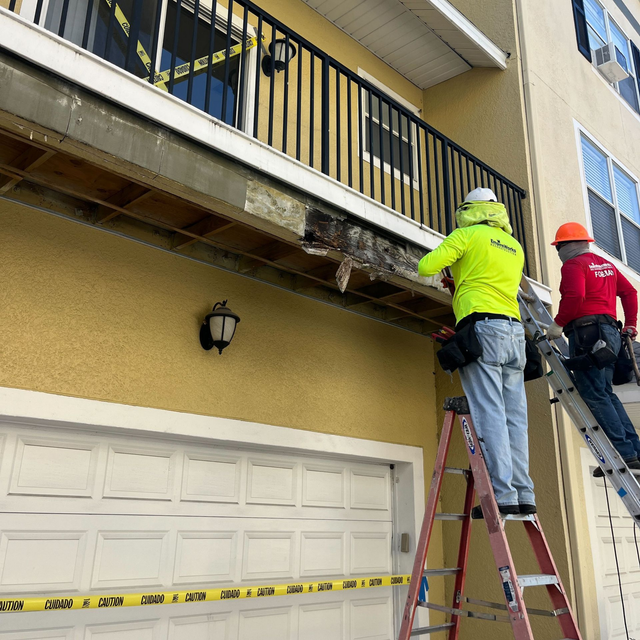
Plantation Apartment Falls: Landlord Repair Duties Explained
Apartment complexes across Plantation, Florida provide housing for thousands of residents and visitors throughout Broward County. These properties include hallways, staircases, parking lots, sidewalks, and common areas used daily by tenants and their guests. While most apartment communities aim to maintain safe living environments, accidents sometimes occur when property maintenance is neglected.
Slip-and-fall accidents in apartment complexes can lead to serious injuries. Wet walkways, broken stairs, damaged railings, and poor lighting are just a few hazards that may put residents and visitors at risk. When these dangerous conditions are not addressed, landlords and property managers may be held legally responsible.
Understanding a landlord’s repair and maintenance duties under Florida law is important for anyone injured in an apartment complex in Plantation. These responsibilities often determine whether a property owner may be liable for injuries caused by unsafe conditions.
Common Causes of Apartment Slip-and-Fall Accidents
Apartment complexes include many shared areas that must be properly maintained. When maintenance issues are ignored, accidents may occur.
Some of the most common hazards include:
-
Broken or uneven staircases
-
Loose handrails or guardrails
-
Cracked sidewalks or walkways
-
Wet floors in hallways or laundry areas
-
Poor lighting in stairwells or parking lots
-
Debris or clutter in common areas
Because apartment residents and visitors frequently move through these areas, property owners must ensure they are safe.
Florida Premises Liability and Rental Properties
Slip-and-fall accidents in apartment complexes fall under premises liability law in Florida.
Under these laws, landlords and property owners have a duty to maintain reasonably safe conditions on their properties.
This duty generally applies to common areas that tenants and guests use regularly.
Common areas may include:
-
Staircases
-
Hallways
-
Elevators
-
Parking lots
-
Walkways
-
Swimming pool areas
If a landlord fails to maintain these areas properly and someone is injured as a result, the landlord may be considered negligent.
Landlord Repair Duties Under Florida Law
Florida law requires landlords to maintain rental properties in safe and livable condition.
These responsibilities include making necessary repairs to prevent dangerous conditions.
Maintaining Structural Safety
Landlords must maintain the structural components of the building, including:
-
Stairs and stair railings
-
Floors and walkways
-
Entryways and doors
If these structures become damaged or unstable, the landlord may be required to repair them promptly.
Ensuring Proper Lighting
Adequate lighting is essential for safety in common areas such as stairwells, hallways, and parking lots.
Poor lighting can make it difficult for residents to see hazards.
Landlords are generally responsible for ensuring these areas are properly illuminated.
Addressing Water and Slip Hazards
Water leaks or drainage problems may create slippery surfaces.
Landlords should address issues such as:
-
Leaking pipes
-
Flooded walkways
-
Water accumulation in hallways
Failure to correct these hazards may increase the risk of falls.
Maintaining Walkways and Sidewalks
Sidewalks and exterior walkways should be kept in safe condition.
Cracks, uneven pavement, or debris may create tripping hazards that require prompt repair.
The Role of “Notice” in Apartment Injury Claims
In many slip-and-fall cases, proving that the landlord had notice of the hazardous condition is essential.
Notice refers to whether the landlord knew—or should have known—about the danger before the accident occurred.
Actual Notice
Actual notice exists when the landlord or property manager was directly informed about the hazardous condition.
For example, if a tenant reports a broken stair or loose railing and the landlord fails to repair it, the landlord may have actual notice.
Constructive Notice
Constructive notice occurs when a dangerous condition existed long enough that the landlord should have discovered it during routine inspections.
Regular property inspections are an important part of responsible property management.
Maintenance Records and Repair Requests
Maintenance documentation can be critical evidence in apartment slip-and-fall cases.
Important records may include:
-
Tenant repair requests
-
Maintenance logs
-
Inspection reports
-
Work orders for repairs
These records may reveal whether the landlord was aware of the hazard before the accident occurred.
For example, if multiple tenants reported a dangerous condition that was never repaired, the landlord may be liable.
Injuries Commonly Seen in Apartment Falls
Slip-and-fall accidents in apartment complexes can cause serious injuries, particularly when they occur on staircases or hard surfaces.
Common injuries include:
-
Broken wrists or arms
-
Hip fractures
-
Traumatic brain injuries
-
Back and spinal injuries
-
Soft tissue injuries
Hospitals and medical centers throughout Broward County—including facilities in Plantation, Fort Lauderdale, Sunrise, and Coral Springs—regularly treat victims injured in fall-related accidents.
Some injuries may require surgery, physical therapy, or long-term medical care.
Florida’s Comparative Negligence Rule
Florida follows a comparative negligence system, meaning multiple parties may share responsibility for an accident.
Landlords may argue that the injured person contributed to the fall.
For example, they may claim the victim:
-
Was distracted while walking
-
Ignored visible hazards
-
Failed to use available safety features such as handrails
If the injured person is partially responsible, compensation may be reduced based on their percentage of fault.
Insurance companies frequently use these arguments to reduce settlement amounts.
Evidence That Can Support an Apartment Injury Claim
Several types of evidence may help establish liability in apartment fall cases.
Photographs of the Hazard
Photographs taken at the scene may document dangerous conditions such as broken stairs, wet surfaces, or poor lighting.
These images may help show the condition that caused the fall.
Witness Statements
Witnesses who saw the accident or were aware of the hazard may provide valuable information.
Their statements may support claims that the landlord failed to address the problem.
Surveillance Footage
Some apartment complexes use security cameras in common areas.
Video footage may capture the accident or show how long the hazardous condition existed.
Maintenance Records
As discussed earlier, maintenance logs and repair requests may demonstrate whether the landlord was aware of the hazard.
Steps to Take After an Apartment Slip-and-Fall
If you are injured in an apartment complex in Plantation, taking certain steps can help protect your legal rights.
Important actions include:
-
Seek medical attention immediately
-
Report the accident to the property manager or landlord
-
Take photographs of the hazardous condition
-
Collect witness contact information
-
Keep records of medical treatment and expenses
Prompt documentation may help preserve evidence that supports a claim.
How a Personal Injury Lawyer Can Help
Apartment slip-and-fall cases often involve complex legal issues related to property maintenance and landlord responsibilities.
A personal injury lawyer can assist victims by:
-
Investigating the accident scene
-
Reviewing maintenance records
-
Obtaining surveillance footage
-
Consulting safety experts
-
Negotiating with insurance companies
Legal representation can help ensure that property owners are held accountable when negligence causes injuries.
Protecting Tenant and Visitor Safety
Landlords have an important responsibility to maintain safe living environments for tenants and visitors. When property maintenance is neglected, preventable accidents may occur.
Understanding landlord repair duties under Florida law can help injured individuals determine whether negligence contributed to their fall.
By gathering evidence and seeking legal guidance, victims may be able to pursue compensation for the harm they suffered.
Speak With a Fort Lauderdale Personal Injury Lawyer Today
If you were injured in a slip-and-fall accident at an apartment complex in Plantation or anywhere in Broward County, you may have the right to pursue compensation for your injuries and financial losses.
An experienced personal injury lawyer can review your case, investigate the landlord’s maintenance practices, and help you navigate the legal process.
Most personal injury law firms offer free consultations and operate on a contingency fee basis, meaning you pay no upfront fees.
If you have questions about a Plantation apartment injury claim, legal help is available 24/7 to help you move forward with confidence.