
Pembroke Pines Injury Claims: First Steps That Protect Your Case
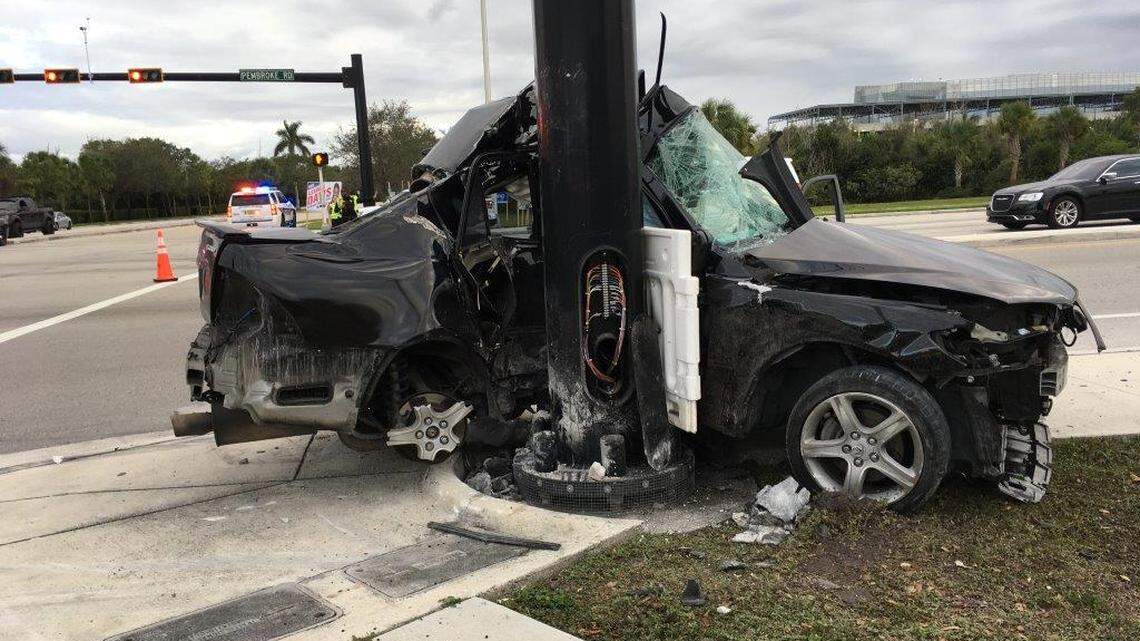
Suffering an injury in Pembroke Pines, Florida can be a life-changing experience. Whether it’s a car collision on Pines Boulevard, a slip-and-fall in a shopping center, or a workplace accident, the actions you take immediately after the incident can make or break your personal injury claim. Insurance companies and defense attorneys often scrutinize every step, looking for reasons to reduce or deny compensation.
This guide outlines the essential first steps to take after an accident in Pembroke Pines to protect your legal rights, document your injuries, and maximize your potential compensation.
1. Ensure Safety and Seek Immediate Medical Attention
a. Prioritize Safety
- Move to a safe area if possible, especially in traffic accidents.
- Turn on hazard lights or use safety triangles to prevent further collisions.
- Avoid leaving the scene unless absolutely necessary for your safety.
b. Call Emergency Services
- Dial 911 for police and medical assistance.
- Police reports are official records that establish facts, parties involved, and initial statements.
- EMS personnel can provide immediate care and create medical documentation critical for your claim.
c. Seek Medical Care Immediately
Even if injuries seem minor:
- Pain, dizziness, or soft tissue injuries may manifest hours or days later.
- Early medical documentation strengthens causation arguments, linking injuries directly to the accident.
- Keep copies of ER records, physician notes, and imaging reports.
2. Document the Accident Scene
Strong evidence collection at the scene protects your claim.
- Photographs and videos: Capture vehicle damage, skid marks, debris, weather conditions, traffic signals, and surroundings.
- Witness information: Names, phone numbers, and statements from anyone who observed the accident.
- Vehicle positions: Document where each vehicle stopped or property damage locations.
- Additional context: Road conditions, signage, and lighting can support negligence claims.
In Pembroke Pines, accidents often occur on busy roads like US-27, Pembroke Road, or Flamingo Road, making documentation critical to determine liability.
3. Notify Relevant Parties
a. Police and Law Enforcement
- Request a copy of the police report once available.
- Ensure the report accurately reflects the facts of the accident.
b. Your Insurance Company
- Report the accident promptly, providing factual details without speculation.
- Avoid discussing fault or making admissions; stick to the facts.
c. Do Not Rely Solely on the Other Driver
- Even if the other party apologizes or seems cooperative, their insurance may dispute liability later.
- Protect yourself by documenting everything independently.
4. Preserve Vehicle and Property Evidence
- Keep your vehicle in its post-accident condition until inspected by your insurance company.
- Take photographs of all damage, inside and out, before repairs.
- Maintain receipts and estimates for vehicle repairs, rental cars, or other property losses.
- Avoid early repairs without documentation, as insurers may claim altered evidence.
Preserving property evidence is especially important in multi-vehicle collisions common in Pembroke Pines intersections.
5. Track Your Medical Treatment and Expenses
a. Maintain Detailed Medical Records
- ER, urgent care, and follow-up visits
- Specialist consultations, physical therapy, and rehabilitation
- Medications, imaging, and diagnostic tests
b. Track Costs
- Bills for medical treatment, transportation, and medications
- Lost wages or reduced income due to injuries
- Out-of-pocket expenses related to accident recovery
Accurate documentation ensures insurers can evaluate the full scope of damages, including pain and suffering if your injuries meet Florida’s serious injury threshold.
6. Avoid Common Mistakes That Can Hurt Your Case
- Delaying medical care: Insurers may argue injuries are unrelated or exaggerated.
- Posting about the accident on social media: Statements can be used to undermine credibility.
- Admitting fault: Even casual comments like “I’m sorry” can be misinterpreted.
- Ignoring legal deadlines: Florida generally allows four years for personal injury claims (Fla. Stat. §95.11), but sooner is better.
- Accepting early settlement offers: Initial offers often underestimate your total damages.
7. Consult a Pembroke Pines Personal Injury Attorney Early
Legal guidance is critical after an accident. An experienced attorney can:
- Collect and preserve evidence, including police reports, witness statements, and vehicle damage
- Request and organize medical records to link injuries to the accident
- Negotiate with insurance adjusters to maximize compensation
- Advise on UM/UIM coverage if the other driver is uninsured or underinsured
- Evaluate whether your injuries meet Florida’s serious injury threshold for pain and suffering claims
- Represent your case in mediation, arbitration, or court if necessary
Hiring a local attorney ensures familiarity with Pembroke Pines accident trends, insurance practices, and local court procedures.
8. Understand Insurance and Coverage
- PIP coverage: Florida’s no-fault insurance provides up to $10,000 for medical expenses and lost wages regardless of fault.
- Liability coverage: Pays for damages caused by an at-fault driver.
- UM/UIM coverage: Protects you if the at-fault driver lacks sufficient insurance.
Knowing your coverage early allows your attorney to strategically plan your claim and ensure all available sources of compensation are pursued.
9. Plan for Long-Term Recovery
- Keep a journal of symptoms and daily limitations to support pain and suffering claims.
- Document ongoing therapy, rehabilitation, or changes in lifestyle due to injuries.
- Monitor employment impact, including reduced hours or inability to perform prior duties.
Insurance adjusters are more likely to value claims accurately when long-term impacts are clearly documented.
10. Key Takeaways for Pembroke Pines Accident Victims
- Prioritize safety and medical attention immediately after the accident.
- Document the scene and vehicle damage thoroughly, including photos, videos, and witness information.
- Notify police and your insurance company promptly without admitting fault.
- Preserve all medical records and expenses to substantiate your claim.
- Avoid social media disclosures and casual admissions of fault.
- Consult a local personal injury attorney to guide every step of your claim.
- Understand insurance coverage including PIP, liability, and UM/UIM options.
- Track long-term impacts on your health, employment, and daily life.
- Act promptly, as evidence degrades and legal deadlines may apply.
- Plan your recovery and claim strategically to maximize potential compensation.