Parkland Accident Claims: Understanding Liability in Florida Cases
Accidents in Parkland, Florida, are an unfortunate reality, whether they involve car collisions along University Drive, bicycle or pedestrian accidents near local parks, slip and falls in shopping centers, or workplace injuries at construction sites. After an accident, one of the most critical questions for victims is who is legally responsible. Understanding liability in Florida personal injury cases is essential for ensuring fair compensation and protecting your rights.
This guide provides an in-depth look at liability in Parkland accident claims, including how Florida law assigns fault, the role of comparative negligence, common liability scenarios, and the importance of legal representation in protecting your claim.
What Liability Means in Florida Personal Injury Cases
Liability refers to the legal responsibility for causing an accident and the resulting injuries or damages. Establishing liability is a fundamental step in a personal injury claim because it determines:
- Who is responsible for compensating the victim
- How damages, including medical bills, lost wages, and pain and suffering, will be calculated
- Whether the case may involve multiple parties or insurance policies
In Florida, proving liability typically requires showing:
- Duty of Care – The responsible party owed a duty to act reasonably to prevent harm.
- Breach of Duty – The responsible party failed to meet that standard of care.
- Causation – The breach directly caused the accident and your injuries.
- Damages – Actual harm or loss occurred as a result of the accident.
Without evidence supporting these elements, claims may be reduced or denied.
Comparative Negligence in Florida
Florida follows a pure comparative negligence system under Florida Statute §768.81. This means that if a victim shares partial fault for an accident, their compensation is reduced proportionally. For example:
- If you are found 20% at fault for a car accident and your total damages are $50,000, your settlement would be reduced by 20%, leaving $40,000.
- Even if you are 90% at fault, you can still recover 10% of your damages.
Understanding comparative negligence is crucial in Parkland, where multiple factors, such as weather, road conditions, or pedestrian behavior, can contribute to an accident. Proper documentation and legal guidance are key to minimizing your assigned fault.
Common Liability Scenarios in Parkland
Liability varies depending on the type of accident. Here are some common scenarios in Parkland:
1. Car Accidents
- Rear-End Collisions – Usually the driver who strikes the other vehicle is liable, but contributing factors, like distracted driving or poor vehicle maintenance, may affect liability.
- Intersection Crashes – Fault may depend on traffic signals, right-of-way violations, or reckless driving.
- Rideshare Accidents – Liability may involve the rideshare driver, the company, or other motorists.
2. Slip and Fall Incidents
- Property Owner Responsibility – Under Florida premises liability law, property owners must maintain safe conditions. Liability arises if they fail to fix hazards, warn of dangers, or inspect regularly.
- Contributory Factors – Victims must document the hazard, location, and any warnings provided to prove negligence.
3. Bicycle and Pedestrian Accidents
- Driver Negligence – Motorists must follow traffic laws and watch for pedestrians and cyclists. Failure to yield, speeding, or distracted driving can establish liability.
- Environmental Factors – Poor lighting, potholes, or unsafe crosswalks can contribute to accidents and may involve local government liability claims.
4. Workplace Injuries
- Employer Responsibility – Employers must follow OSHA regulations and provide a safe working environment.
- Third-Party Liability – In some cases, contractors, equipment manufacturers, or property owners may share liability.
Evidence That Supports Liability Claims
Strong evidence is essential to prove liability in Parkland accident claims. Key documentation includes:
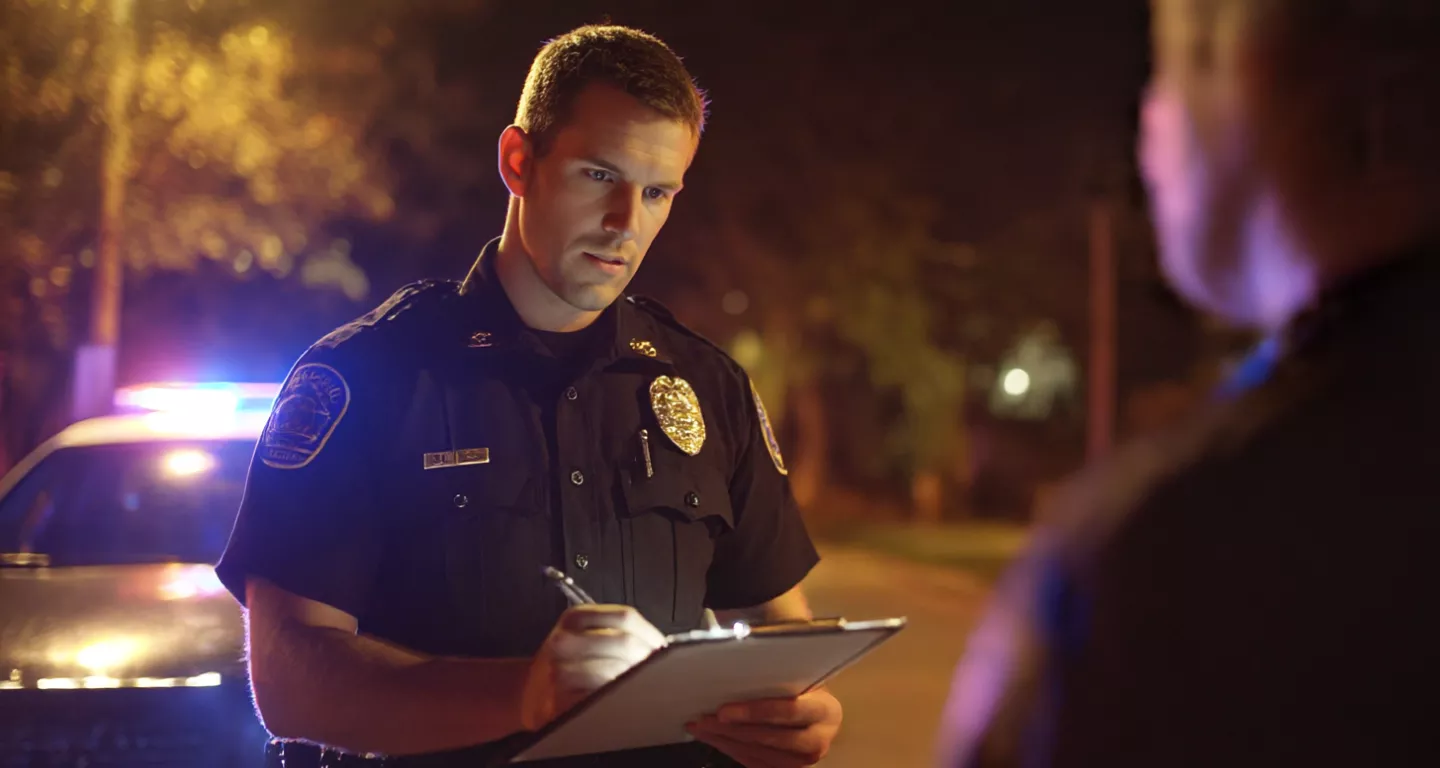
- Police and Accident Reports
Official reports provide unbiased details about the accident, contributing factors, and initial fault assessment. - Photographs and Videos
Visual evidence of the scene, vehicles, property conditions, hazards, and injuries helps corroborate your account. - Witness Statements
Eyewitness testimony strengthens claims by confirming your version of events. - Medical Records
Documentation of injuries, treatment, and ongoing care establishes a direct link between the accident and damages. - Expert Analysis
Accident reconstruction specialists, medical experts, or safety inspectors can clarify causation and liability, particularly in complex cases.
Common Mistakes That Jeopardize Liability Claims
Even minor missteps can undermine your ability to hold a responsible party accountable:
- Failing to Document the Scene – Without photos, videos, or notes, it’s harder to establish hazard conditions or traffic factors.
- Talking to Insurance Adjusters Without Legal Guidance – Statements may be misinterpreted or used to argue that you share fault.
- Delaying Medical Treatment – Late treatment makes it difficult to connect injuries to the accident.
- Ignoring Witnesses – Losing contact with witnesses reduces the credibility of your claim.
- Posting on Social Media – Public statements or photos can contradict your claim and be used against you.
How Legal Representation Helps with Liability
A Fort Lauderdale personal injury attorney can be invaluable in Parkland accident claims:
- Investigating the Accident
Attorneys gather all necessary evidence, interview witnesses, and coordinate with experts to establish fault. - Preserving Documentation
Lawyers ensure police reports, photographs, medical records, and financial documents are complete and organized. - Assessing Comparative Negligence
Attorneys analyze your role in the accident and work to minimize your assigned fault percentage. - Negotiating with Insurance Companies
Experienced lawyers understand insurance tactics and can present a compelling case to maximize compensation. - Preparing for Litigation
If negotiations fail, attorneys can represent you in court, presenting evidence clearly to support liability and damages claims.
Steps Parkland Accident Victims Should Take
- Seek Medical Attention
Immediate evaluation documents injuries and protects long-term health. - Document the Accident Scene
Take photos, videos, and note environmental hazards or vehicle positions. - Collect Witness Information
Gather names, phone numbers, and statements promptly. - Preserve Property Damage Evidence
Photograph vehicles, personal property, and repair estimates. - Limit Communication with Insurance Companies
Provide factual details only and consult an attorney before statements or settlements. - Consult a Local Personal Injury Attorney
Early legal guidance ensures proper evidence preservation, minimizes mistakes, and strengthens liability claims.
Conclusion
Understanding liability is essential for anyone pursuing a personal injury claim in Parkland, Florida. Florida’s comparative negligence system, multiple accident scenarios, and insurance company tactics make it critical to act quickly, document thoroughly, and seek experienced legal guidance. Proper documentation of the accident scene, witnesses, medical care, and financial impacts is essential to establish liability and protect your right to fair compensation.
If you’ve been injured in Parkland, consulting a Fort Lauderdale personal injury attorney immediately is crucial. Attorneys help gather evidence, determine fault, coordinate with experts, and negotiate effectively with insurers to ensure your claim reflects the full extent of your injuries and damages.