
Oakland Park Accident Evidence: What You Need Before It’s Gone
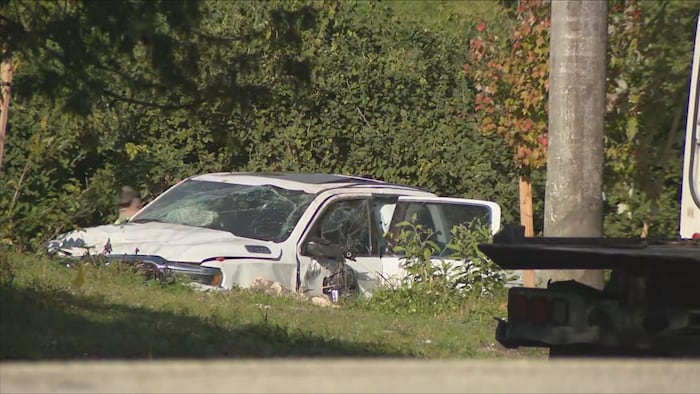
If you’ve been involved in an accident in Oakland Park, the first hours and days afterward are critical for preserving evidence. Without proper documentation, insurers and courts may question liability, injury severity, or damages. Accident evidence can disappear quickly, from erased surveillance footage to damaged vehicle parts, so acting promptly is key.
This guide explains what types of evidence matter most, how to collect it, and strategies for ensuring your Oakland Park injury claim is supported from the start.
Step 1: Why Evidence Preservation Matters
Evidence is the foundation of every personal injury claim. It:
- Proves liability – Shows who caused the accident
- Validates injuries – Demonstrates the severity and cause of harm
- Supports financial claims – Documents medical costs, lost wages, and property damage
- Prevents disputes – Reduces opportunities for insurers or defendants to challenge your account
In short, without evidence, even clear-cut accidents can become contested claims.
Step 2: Document the Accident Scene Immediately
The accident scene is often the most important source of evidence. Take the following steps:
- Photographs and videos – Capture vehicle positions, skid marks, debris, traffic signals, and road conditions.
- Environmental conditions – Include lighting, weather, and visibility.
- Physical evidence – Preserve broken vehicle parts, clothing, or other items involved in the accident.
- Diagram the scene – Sketch locations of vehicles, hazards, and landmarks for reference.
Early documentation ensures that evidence reflects the accident accurately, before conditions change or items are removed.
Step 3: Preserve Vehicle Damage
Your vehicle can provide critical proof of impact and collision severity:
- Take detailed photos from multiple angles, including close-ups of dents, scratches, and broken parts.
- Keep repair estimates and invoices, but avoid repairing major components until advised by your attorney.
- Document any temporary fixes, like towing receipts, to show the chain of events.
Vehicle evidence is often used to verify accident severity and support claims for property damage and bodily injury.
Step 4: Collect Witness Information
Eyewitness testimony can strengthen your case:
- Ask witnesses for full names, phone numbers, and email addresses.
- Encourage them to write down or record what they observed while it’s fresh.
- Avoid coaching or leading questions; just document facts.
Witness statements can corroborate your version of events and help establish fault when liability is contested.
Step 5: Secure Surveillance Footage
Many accidents occur near businesses, traffic cameras, or private residences:
- Request footage quickly – Many cameras overwrite recordings within days.
- Document requests in writing, noting the date, time, and person contacted.
- If possible, make a copy or have the provider secure it until your attorney can review it.
Video evidence is particularly persuasive in disputed liability or contested injury claims.
Step 6: Medical Documentation
Your injuries are central to your claim:
- Emergency room records, doctor notes, imaging, and prescriptions establish treatment necessity and severity.
- Therapy and rehabilitation records demonstrate ongoing effects.
- Track pain levels, functional limitations, and emotional impact in a journal.
Well-maintained medical records are critical for both settlement and trial, proving damages clearly.
Step 7: Communication Records
Insurance companies often rely on statements to limit payouts:
- Preserve texts, emails, and social media messages related to the accident.
- Document all communications with insurers or at-fault parties, including dates and names.
- Forward requests for recorded statements or interviews to your attorney.
Careful record-keeping prevents misrepresentation or disputes that could compromise your claim.
Step 8: Financial Documentation
Economic damages must be clearly documented:
- Medical bills, therapy receipts, and prescriptions
- Vehicle repair costs and rental expenses
- Lost wages, employment impact, or reduced earning capacity
- Other accident-related expenses, such as childcare or transportation
Organizing this documentation ensures full recovery of tangible losses.
Step 9: Preserve Evidence for Premises Accidents
For slip-and-fall or other property-related accidents:
- Notify the property owner or management immediately and request a written report.
- Photograph the hazard, surrounding area, and any warning signs (or lack thereof).
- Preserve clothing or personal items damaged during the incident.
Prompt evidence collection is crucial because property owners may alter conditions or remove hazards afterward.
Step 10: Avoid Common Mistakes
Many victims unknowingly weaken their claims:
- Admitting fault – Statements like “I shouldn’t have…” can be used against you.
- Delaying medical care – Gaps in treatment records raise questions about injuries.
- Posting accident details online – Social media can contradict testimony.
- Discarding damaged items – Evidence disposal may undermine property damage claims.
- Failing to act quickly – Videos, witnesses, and other transient evidence may vanish.
Being aware of these pitfalls protects credibility and strengthens your case.
Step 11: Organize and Store Evidence
- Create digital and physical folders for photographs, reports, medical records, and receipts.
- Label files with dates, locations, and descriptions.
- Backup digital evidence in cloud storage or secure drives.
- Keep original documents intact for potential court or settlement use.
Organization ensures that everything is accessible and credible when needed.
Step 12: Consult a Personal Injury Attorney Early
Early legal guidance helps you:
- Identify which evidence is most important for your claim
- Request and preserve surveillance or official records
- Prepare depositions or statements without inadvertently harming your claim
- Navigate Florida’s Personal Injury Protection (PIP) and liability rules
- Ensure compliance with statutory deadlines and insurance procedures
An attorney protects your rights, timelines, and strategic position, maximizing recovery potential.
Step 13: Key Timelines to Remember in Oakland Park
- Evidence collection – Take photos, videos, and witness statements immediately.
- Medical documentation – Seek care promptly; delayed records may reduce credibility.
- PIP claims – Submit medical bills and claim forms quickly to secure coverage.
- Statute of limitations – Personal injury claims generally must be filed within two years of the accident in Florida.
Adhering to these timelines ensures your claim remains valid, complete, and enforceable.
Step 14: Bottom Line
Evidence preservation is the single most important factor in protecting an Oakland Park accident claim. Key steps include:
- Document the accident scene – photos, videos, and diagrams
- Preserve vehicle and property damage – do not repair or discard items prematurely
- Collect witness information – statements, contact details, and observations
- Secure surveillance footage – request quickly before it is overwritten
- Maintain medical records – ER reports, therapy notes, prescriptions, and journals
- Organize financial documentation – medical costs, lost wages, and other expenses
- Consult an experienced personal injury attorney – ensures compliance, credibility, and maximum compensation
Timely, organized, and strategic evidence preservation protects your rights, strengthens your claim, and increases your chances of a fair settlement or successful trial.
Key Takeaways
- Accidents often leave fragile or transient evidence; early action is critical.
- Scene documentation, witness accounts, vehicle or property evidence, and medical records are all essential.
- Insurance communication, financial records, and journals further support your claim.
- Avoid mistakes like premature admissions, social media posts, or discarding evidence.
- Attorneys help identify, preserve, and use evidence strategically for maximum recovery.
Effective evidence preservation in Oakland Park turns a vulnerable claim into a strong, well-supported case.