
Miramar Injury Cases: Understanding Insurance Policy Limits
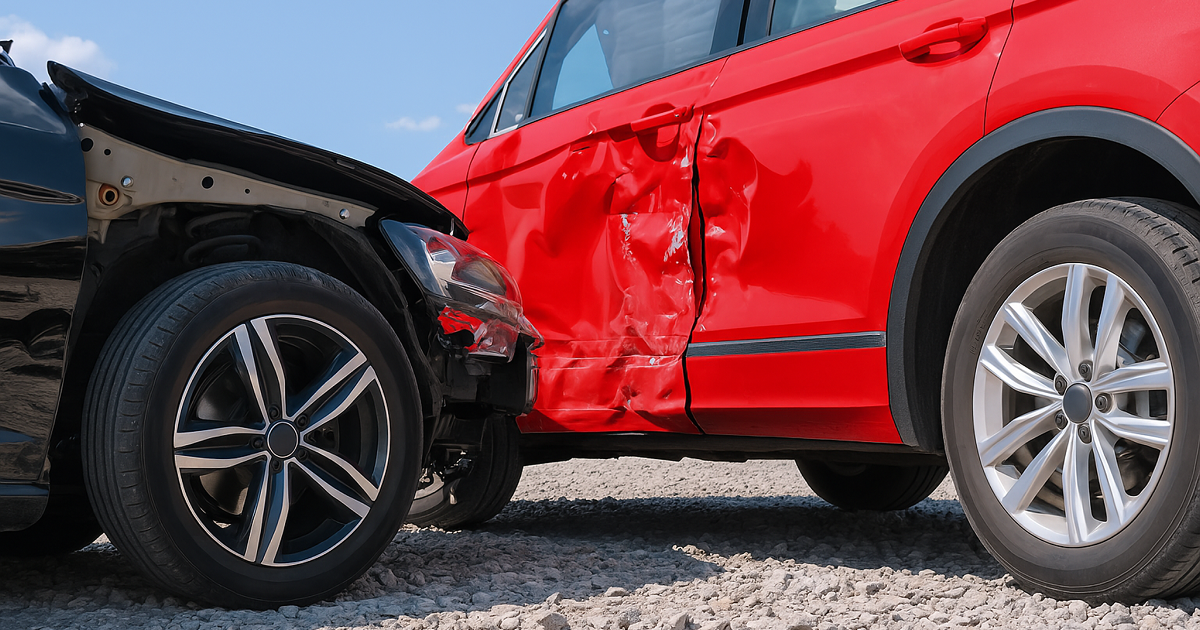
If you’re involved in an accident in Miramar, one of the most critical factors in determining how much compensation you can recover is insurance policy limits. Understanding these limits is essential for accident victims because it directly affects settlement potential, legal strategy, and the ability to cover all medical and economic losses.
Insurance policy limits refer to the maximum amount an insurance company will pay for a claim. Knowing these limits helps accident victims and their attorneys plan recovery strategies, identify potential gaps, and decide whether litigation is necessary. This guide breaks down the role of insurance policy limits in Miramar injury cases, types of policies, how limits are applied, and strategies to maximize compensation.
What Are Insurance Policy Limits?
An insurance policy limit is the cap on the amount an insurer will pay for covered losses. It is stated in the insurance contract and can apply to:
- Bodily injury: Compensation for physical injuries to others in an accident
- Property damage: Repair or replacement of damaged property
- Combined single limits: Some policies use a total combined limit for both bodily injury and property damage
For example, a standard auto policy in Florida may have limits of $50,000 per person and $100,000 per accident for bodily injury. This means the insurer will pay up to $50,000 for one person’s injuries and a maximum of $100,000 if multiple people are injured in the same accident.
Types of Insurance Policies Relevant to Miramar Injury Cases
1. Auto Insurance
Florida law requires drivers to carry Personal Injury Protection (PIP) and Property Damage Liability (PDL). Additionally, drivers may carry Bodily Injury Liability (BIL):
- PIP Coverage: Covers your own medical expenses and lost wages, regardless of fault. Florida mandates at least $10,000 in PIP coverage.
- BIL Coverage: Covers injuries to other parties if you are at fault. Limits are chosen by the policyholder and often affect settlement negotiations.
- Uninsured/Underinsured Motorist Coverage (UM/UIM): Protects you if the at-fault driver has insufficient or no coverage.
2. Homeowner’s or Renter’s Insurance
- Covers accidents on the insured property, including slip-and-fall incidents
- Policy limits may vary depending on the value of the dwelling or rental unit
- Liability coverage may include guest injuries or third-party property damage
3. Commercial Insurance
- Businesses often carry liability policies covering customers or employees
- Limits may be higher than personal policies but are subject to negotiation and exclusions
4. Excess or Umbrella Policies
- Provide additional coverage beyond standard limits
- Often triggered after primary insurance is exhausted
- Can be critical for accidents with high medical costs or multiple injured parties
How Policy Limits Affect Miramar Injury Claims
1. Maximum Recovery
The policy limit sets the maximum amount an injured party can recover from that insurance company. Even if damages exceed the limit, the insurer is generally not required to pay beyond the cap.
Example:
- Accident causes $75,000 in medical bills and lost wages
- At-fault driver’s policy limit: $50,000
- The victim may recover $50,000 from the insurer, leaving a $25,000 gap unless other options exist
2. Negotiation Leverage
Insurance adjusters will rarely pay the full value of your claim if it exceeds policy limits. Understanding limits helps attorneys:
- Assess realistic settlement offers
- Decide whether to file a lawsuit against the policyholder personally
- Identify potential additional sources of recovery, such as umbrella policies or multiple liable parties
3. Uninsured and Underinsured Motorist Coverage
If the at-fault party’s policy is insufficient, UM/UIM coverage can fill the gap:
- Provides compensation up to your own policy limits
- Often applies after PIP and primary BIL payments are exhausted
- Helps cover medical bills, lost wages, and pain and suffering exceeding the at-fault driver’s coverage
Factors That Influence Policy Limit Decisions
1. Severity of Injuries
- Severe injuries often exceed standard limits
- Catastrophic injuries may require multiple insurance sources to cover lifetime medical care
2. Number of Injured Parties
- If multiple victims are involved, the total per-accident limit may be divided among them
- Each victim’s recovery may be reduced proportionally
3. Policy Exclusions
- Policies may exclude certain types of injuries or activities
- For example, some homeowner policies exclude injuries from certain recreational activities
- Attorneys must carefully review policy language to avoid surprises
4. Insurance Stacking
- In some cases, Florida law allows victims to “stack” coverage across multiple vehicles or policies
- Stacking increases available compensation if multiple policies cover the accident
Strategies for Maximizing Recovery When Policy Limits Are Low
- Negotiate Aggressively With Insurers
- Present detailed medical records, lost wage documentation, and expert testimony
- Demonstrate liability and damages clearly to encourage full payment of the limit
- Identify Multiple Insurance Sources
- Explore UM/UIM coverage
- Check for umbrella policies
- Investigate other liable parties, including businesses or government entities
- Consider Legal Action Against the Policyholder
- If damages exceed the policy limit, you may pursue personal assets of the at-fault party
- This strategy requires careful legal planning and evaluation of the defendant’s financial ability
- Use Expert Valuations
- Medical and vocational experts can estimate future care costs, lost income, and long-term impairment
- Helps justify maximum recovery from available insurance
- Mitigate Out-of-Pocket Expenses
- Keep detailed receipts for co-pays, therapy, and transportation
- Demonstrates financial impact and strengthens negotiation leverage
Common Pitfalls in Miramar Injury Claims
- Assuming the policy is sufficient: Many victims underestimate the total damages compared to policy limits
- Failing to investigate UM/UIM coverage: This can leave compensation gaps unaddressed
- Ignoring multiple liable parties: Sometimes multiple sources of recovery exist but are overlooked
- Not calculating future care costs: Long-term treatment or therapy costs often exceed policy limits if unaccounted for
Role of a Personal Injury Attorney
An experienced attorney in Miramar can:
- Review and interpret policy language and limits
- Identify all available insurance sources
- Negotiate with insurers to maximize recovery
- Advise whether litigation against the policyholder’s assets is warranted
- Coordinate expert testimony for future damages, including pain and suffering
Bottom Line
Insurance policy limits play a critical role in determining the compensation you can realistically receive after an accident in Miramar. While insurance is designed to provide financial protection, policy caps can leave gaps if damages are high. Understanding these limits helps victims:
- Plan their claims effectively
- Explore alternative sources of recovery, such as UM/UIM or umbrella policies
- Negotiate confidently with insurers
- Protect long-term financial and medical interests
Key takeaways for Miramar accident victims:
- Know the policy limits of all applicable insurance
- Document all economic and non-economic damages thoroughly
- Consult an attorney to explore additional coverage and litigation options
- Consider future medical and income needs to ensure full compensation
By understanding and strategically navigating insurance policy limits, Miramar injury victims can maximize recovery and secure the financial resources needed to cover both immediate and long-term consequences of an accident.